

In the world of prosthetics, the search for materials with high safety and exceptional durability has always been a significant challenge. Nowadays, with technological advancements, new prosthetic materials have entered the market that not only allow individuals to experience a more natural life but also provide very high standards of safety and durability. These innovative materials, including advanced silicones and various polymers, have been improved through cutting-edge technologies in design and manufacturing. Features of these materials include flexibility, softness, and compatibility with the skin, all of which enable individuals to feel the real nature of the prosthesis. With these developments, the choice of prosthetic materials is no longer limited to a few technical specifications but offers a better and more complete life experience for individuals using prosthetics.
Prosthetics and Common Materials
In the world of prosthetics, common materials used to construct these devices not only play a supportive role but also have a profound impact on the user’s experience and comfort. Silicone, one of the widely used materials in prosthetics, imparts a natural feel to users with its appropriate flexibility and softness. However, despite its advantages, some individuals may face issues due to skin sensitivity.

Polyurethane, another material used as an alternative to silicone, brings features of hypoallergenicity and lightweight. It reduces moisture and heat in the skin environment, preventing infections. Moreover, weaknesses in common materials, such as rigidity and lack of flexibility, have improved with the use of polyurethane.
Elastomers are also among the prosthetic materials, serving as flexible polymers. This material coordinates well with natural body movements, providing users with a natural and comfortable sensation. Overall, the choice of prosthetic materials should be made based on individual needs and preferences, as each material has its own characteristics and advantages that play a crucial role in the user’s experience.
Advancements in Prosthetic Materials
In recent decades, with technological advancements, prosthetic materials have undergone significant changes, greatly impacting the user experience of these devices. While silicone has always been a popular material for prosthetics, advanced silicone varieties have added more flexibility and natural characteristics. Dynamic and adjustable silicone responds to body movements, offering users a more natural and comfortable sensation.
Biodegradable polymers are also crucial innovations in prosthetic materials. These materials, made of polyolefins, have the ability to naturally decompose in the environment, reducing negative environmental impacts. This progress aims for greater environmental compatibility and more sustainable use of natural resources.
Furthermore, nanotechnology has entered the field of prosthetic materials. By employing nanomaterials, features such as water resistance, neutralizing unpleasant odors, and preventing bacterial growth have been added to prosthetic materials.
In conclusion, these advancements have not only improved the quality and safety of prosthetics but have also enhanced the experience of individuals who use these devices.
The Impact of Material Safety on Patient Health
The impact of prosthetic material safety on the health of patients is a vital and sensitive aspect that should receive special attention in the selection and use of these devices. Prosthetic materials have progressed towards safety and user health with advancements in technology and science. The most significant impact of material safety is the prevention of sensitivities and side effects. Materials used in prosthetics are mostly composed of hypoallergenic and non-hazardous components, preventing the occurrence of skin sensitivities or other adverse reactions.
Another effect that material safety has on the health of patients is the enhancement of comfort and ease in their daily lives. Safe, soft, and flexible materials provide users with a more natural feeling and prevent discomfort or fatigue during use. This allows patients to engage in their daily activities more easily and with increased confidence.
From a psychological and social perspective, safe and hazard-free prosthetic materials enable individuals to use these devices with peace of mind and without concerns. This sense of security and confidence helps individuals experience a quicker recovery in their treatment process and return to their normal lives. As a result, material safety in prosthetics not only adds to the physical health but also positively influences the mental and social aspects of patients, enhancing their overall quality of life.
Criteria for Choosing Materials for Prosthetics
In selecting materials for prosthetics, certain criteria and principles are crucial to ensure that these devices are not only functionally realistic but also safe and in line with individual needs. The first criterion for material selection is their safety. Materials should be hypoallergenic and non-sensitizing to the skin, ensuring they are a safe choice.
Flexibility and softness of materials are also considered essential criteria. These features allow the prosthesis to synchronize with natural body movements, providing users with greater comfort. Additionally, material resistance to various environmental conditions such as water, heat, and pressure is a fundamental selection principle.
The variety of colors and patterns is another criterion that allows individuals to choose their prostheses based on personal preferences, providing a boost to their confidence. This aspect of material selection also affects the individual’s mental and emotional well-being.
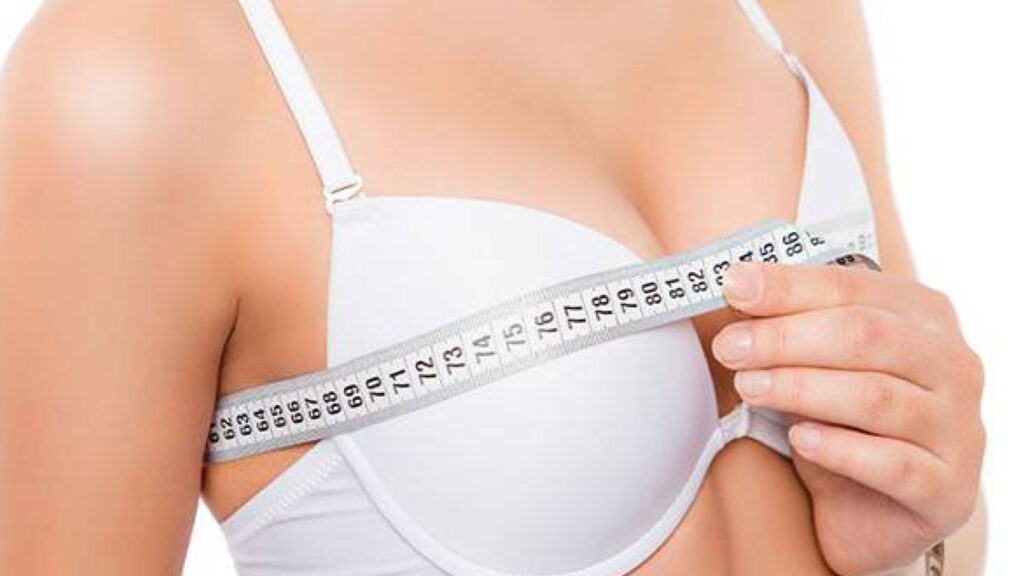
Ultimately, attention to the compatibility of materials with the skin and physical tissues of the individual is of utmost importance. Materials should interact positively with the skin and prevent any unpleasant sensations or skin problems. Choosing prosthetic materials based on these criteria assures individuals that they are using a safe, comfortable, and personally fitting prosthesis.
Conclusion
In conclusion, selecting suitable materials for prosthetics not only contributes to improving the physical features of these devices but also enhances the daily lives of users. With technological advancements and improvements in materials used in prosthetics, the possibility of providing a more natural and comfortable experience for individuals with physical impairments has been realized. Materials perceived as safe and environmentally friendly also give individuals greater confidence in using prosthetics. On one hand, paying attention to the selection of appropriate materials allows individuals to engage more easily in their daily activities and participate more freely in society. Therefore, considering safety, flexibility, and environmental compatibility criteria in prosthetic material selection enables the creation of a consistent and positive experience for individuals progressing toward improvement and the best possible shape of their lives.


