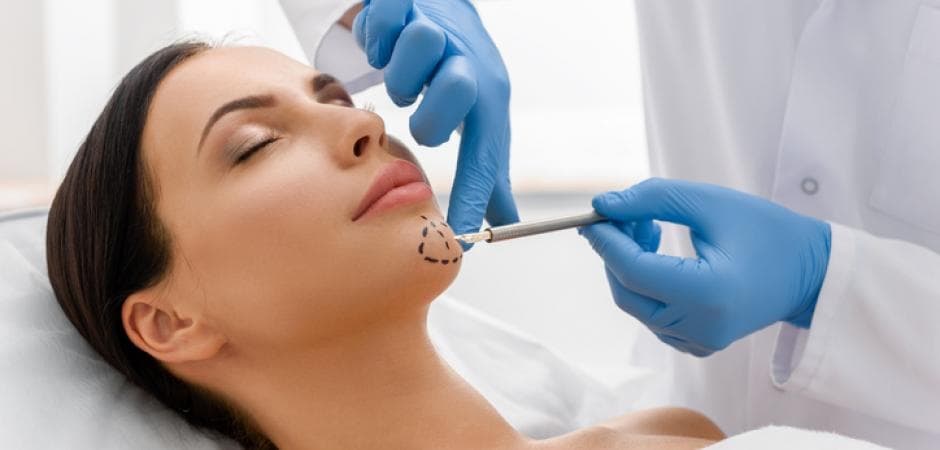
The post-operative recovery period in plastic surgery is a crucial phase that requires careful planning and active patient participation to achieve positive outcomes and successful surgery results. This period involves not only specialized medical care but also includes tips and guidelines that can contribute to a faster and higher-quality recovery. From the importance of pre-operative consultation to education on nutrition, physiotherapy, and pain management, all aspects of the recovery period are dedicated to improving both the physical and mental well-being of the patient. This article will delve into key points of this period and how active patient participation contributes to a successful recovery after plastic surgery. The guide aims to provide accurate and friendly information to guide patients comfortably and effectively towards their recovery journey.
Preparation Before Surgery
The moments leading up to plastic surgery mark a crucial and impactful phase that significantly influences the final outcome of the procedure. The first step in this journey is to consult with a specialized plastic surgeon. During this stage, you can share your goals and expectations with the surgeon and receive comprehensive information about methods, benefits, and procedural expectations. This discussion will help you approach the surgical session with confidence and return with assured results.
Additionally, planning for pre-operative tests and examinations holds special significance. Blood tests and other necessary exams provide valuable information about your health to the physician, aiding in the planning of an appropriate recovery course.
With active collaboration with specialized physicians, you can prepare for your surgery in the best possible way. Ensuring strict adherence to pre and post-operative instructions, undergoing necessary tests and examinations, and retaining information received from your surgeon can help you approach the surgery with more confidence and peace of mind, experiencing a successful recovery period.
Postoperative Period
After plastic surgery, the recovery period becomes a vital phase that requires special attention and meticulous care. This period begins with postoperative care, including maintaining and cleaning the surgical site, precise medication intake, and regular follow-ups with the physician. Ensuring the patient’s comfort and ease during this stage is of utmost importance.
Proper nutrition is also considered one of the fundamental factors in facilitating a faster recovery for the patient. Adhering to a diverse and nutrient-rich diet can aid in enhancing physical strength and preventing potential side effects. Additionally, physiotherapy is highlighted as a crucial component of the postoperative recovery period. Exercises guided by a physiotherapist contribute to maintaining flexibility and muscle strength, playing a fundamental role in a faster recovery.
Pain management is another critical challenge during the postoperative period. Proper use of pain relievers, psychological techniques to cope with pain, and ensuring accurate and specialized communication from the physician can assist the patient in controlling pain and achieving greater comfort.
By adhering to all these tips and considerations, the postoperative period in plastic surgery can be transformed into a positive and successful experience. Active patient participation in this process is essential, and following all the physician’s recommendations can lead to the best possible outcome.
Pain Management
One vital aspect of the postoperative period in plastic surgery is pain management, which holds significant importance in the patient’s comfort and speedier recovery. Postoperative pain is a natural and inevitable experience, but with proper planning and correct strategies, it can be reduced, aiding in a faster recovery.
Safe use of pain relievers under the supervision of a physician is one of the initial steps in postoperative pain management. Proper regulation of the dosage and timing of these medications helps control pain while preventing side effects. For better pain management, it is recommended that patients communicate with their physician about any concerns or changes in pain levels.
Psychological techniques can also be effective in pain control. Focusing on deep breathing techniques, positive experiences, and confronting unpleasant emotions helps the patient cope better with pain and enhance mental well-being.
Additionally, detailed and comprehensive information from the physician about the type of pain, common changes, and any potential issues assures the patient and helps them intelligently deal with pain. Active patient participation in the pain management process plays a crucial role in improving the quality of the recovery period, combining both physical and mental aspects successfully.
Psychological Support
In the postoperative period of plastic surgery, psychological support becomes a crucial aspect that helps the patient cope with challenges and changes that may occur in their lives. Family and friends’ support during this stage is of paramount importance. Individuals who involve their loved ones in their decisions regarding plastic surgery can benefit from the emotional and psychological support derived from these relationships.
Participation in support groups or psychological counseling can also serve as a strengthening source for patients after plastic surgery. In these spaces, patients connect with others who have had similar experiences, reducing feelings of isolation and loneliness. Sharing experiences and useful tips helps patients approach the stages of recovery with confidence.
Psychological counseling can be an effective tool in managing stress and anxieties related to the physical and psychological changes resulting from plastic surgery. Skilled psychologists can assist patients in adapting to new changes in their lives and creating optimal solutions to face challenges.
Ultimately, active patient participation in these psychological support processes not only aids in a quicker and more effective recovery but also contributes to an increased sense of comfort and mental well-being.
Additional Measures for Faster Recovery
To expedite the postoperative recovery process in plastic surgery, taking additional measures is essential. The first step is to observe sufficient rest and limit activities for the duration recommended by the physician. Complete rest and avoiding strenuous activities contribute to cell reconstruction and the healing of damaged tissues. Adhering to restrictions and following the physician’s instructions regarding movements and permissible exercises is crucial.
Alongside these measures, preventing harmful environmental factors is also important. Avoiding direct exposure to sunlight, using sunscreen, and maintaining cleanliness in the surgical site environment aid in faster recovery and prevent side effects.
Proper nutrition is also a key factor in accelerating the recovery process. Consuming foods rich in vitamins, minerals, and protein helps in a quicker recovery from surgery. Additionally, it is recommended to drink a sufficient amount of water throughout the day to maintain skin moisture and facilitate better healing.
Regular follow-ups with the physician are fundamental measures in this stage. Continuous communication with the physician for progress evaluation and making necessary changes in the recovery plan ensures confidence in the correct path of recovery.
By implementing these additional measures and actively participating in recovery management, patients can ensure the best possible outcome from plastic surgery.
Conclusion
In conclusion, at the end of this postoperative recovery journey in plastic surgery, it is observed that effective measures and active patient participation significantly contribute to the speed and quality of recovery. From the importance of pre-operative consultation and careful follow-up with the physician to passing through the postoperative period with hygiene and proper nutrition, and engaging in support groups and psychological counseling, each plays its role in a successful recovery. Paying attention to additional measures, such as adequate rest, avoiding harmful environmental factors, and maintaining proper nutrition, greatly enhances the speed and quality of the recovery process. With comprehensive and coordinated measures, patients can confidently embrace their new and more beautiful life obtained through plastic surgery and enjoy the results.