Hair bank and Hair graft” are two terms frequently used during consultations for hair transplants. Hair transplant is a popular method to treat baldness, especially among individuals who seek to rejuvenate their hair in various areas of the scalp, particularly the frontal and central sections. Whether you are considering a Hair Transplantation or looking to enhance your knowledge in this field, the following paragraphs will provide you with a comprehensive understanding of these terms and their significance in the world of hair restoration.

Hair Bank: What Is It and What Does It Do?
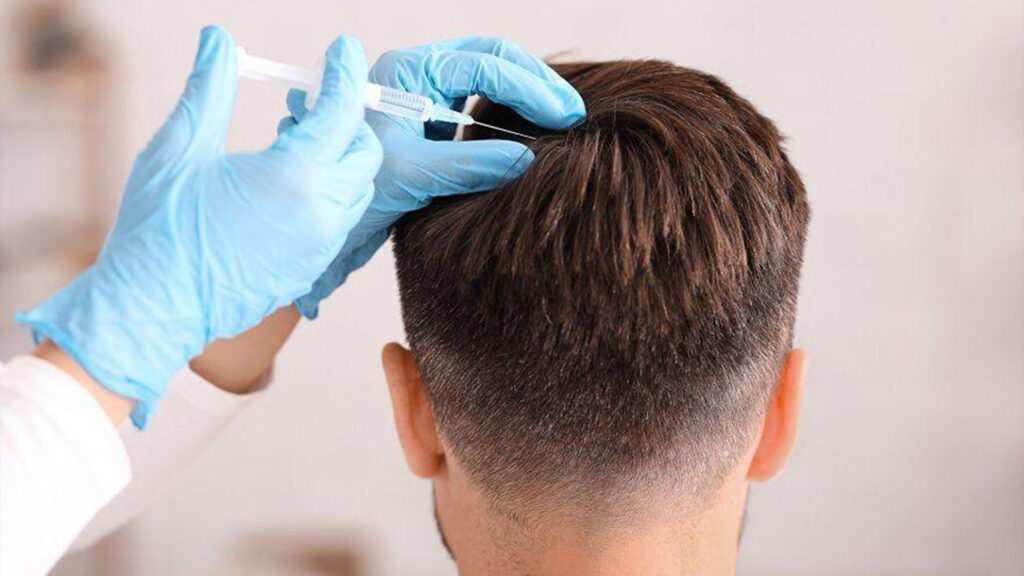
Generally, the region of the scalp that serves as a rich source of hair follicles suitable for hair transplantation is referred to as “Hair bank.” This area has a high hair density and houses robust hair grafts that are ideal for hair transplant. It is highly resistant to environmental factors and hormonal changes that may lead to hair loss. As a result, most individuals, even as they age, do not experience hair loss in this region. When severe hair loss affects an individual’s scalp, eyebrows, or beard, and traditional treatment options fail, utilizing the resources from the hair bank becomes a viable option.
Hair Transplantation: What Is It and What Is Its Function?
Throughout the body’s skin, individual hair strands may grow from a single point. These hair strands are referred to as grafts. Grafts are bundles of hair strands, all originating from a common point. Each graft consists of not only hair strands but also various components, including connective tissue, sebaceous glands, muscles, and a network of blood vessels. The “Hair graft” serves as the unit of measurement for hair transplantation procedures. The estimation of the results of the procedure is based on the number of grafts transplanted.
How Many Hair Strands Are Grafted in a Hair Transplant?
In general, each graft, also referred to as a Hair transplant, contains 1 to 4 hair strands. When you are told that you will receive 2000 grafts or Hair transplants during a hair transplant procedure, it means that approximately 5000 hair strands will be transplanted onto your scalp.
Is Hair Transplantation Possible Without Using Hair bank?
Primarily, the Hair Transplantation procedure is conducted by extracting grafts from the “Hair bank.” Therefore, using the hair bank is essential for this procedure. The hair in this region is highly resistant to hair loss and is relatively insensitive to changes. These hairs are the best option for extraction and transplantation. Typically, only about 2 cm of this area is used for transplantation, while the remaining hair grafts are preserved for potential future transplants.
What Is the Significance of Hair bank?
The importance of the hair bank, especially for those considering hair transplantation, cannot be overstated. This area of your scalp serves as the primary source for hair transplantation. If your hair bank is weak, the possibility of hair transplantation may be compromised. On the other hand, with a strong “Hair bank,” not only can you achieve successful hair transplantation, but you can also expect the restoration of your hair bank after the procedure.
Location of Hair Bank:
The hair bank is situated in the region between the two ears at the back of the head. This area is approximately 25 to 35 cm long and is considered the best choice for graft extraction.
Can You Use another Person’s Hair bank for Hair Transplant?
Almost anyone can use their own hair bank for graft extraction and transplantation. However, using someone else’s hair bank for transplantation may lead to skin reactions and sensitivities. In such cases, your scalp may not respond well to the grafts, and you may not achieve the desired results.
Can Hair Transplantation Be Performed with a Weak Hair bank?
Individuals with weak hair bank have hair grafts that are not suitable for extraction for various reasons. In such cases, special techniques are used to extract hair follicles from other areas of the body and transplant them to the front of the scalp.
Can Hair bank Be Repaired?
The potential for hair bank repair depends largely on the skills of the medical professional performing the hair transplant. If the doctor has sufficient expertise, they can remove a specific number of grafts without damaging your “Hair bank.” However, if the doctor lacks the necessary skills, your hair bank may be compromised and may not recover.
Is Hair Transplantation Risky?
Under normal circumstances, hair transplantation is not risky. However, excessive graft removal and medical errors during the procedure may damage and render your hair bank less effective. Therefore, the expertise of the hair transplant team in determining the precise spacing for graft extraction is crucial. If incisions are not made at the correct intervals, skin tissue may be lost, leading to complications on your scalp and even at the donor site on the back of your head.
There is usually no solution to this problem, and the only way to address it is to cover the affected areas by lengthening the surrounding hair. Therefore, the medical team’s skills in performing the transplant are of utmost importance.
What Is the Success Rate of Hair Transplantation?
The likelihood of grafts extracted from your hair bank and transplanted to the front of your scalp producing results depends on the medical professional’s expertise and, of course, the cause of your hair loss. Nevertheless, the majority of individuals who have used their own hair bank for grafts in transplantation procedures are satisfied with the outcomes.
Are the Results of Hair Transplantation Permanent?
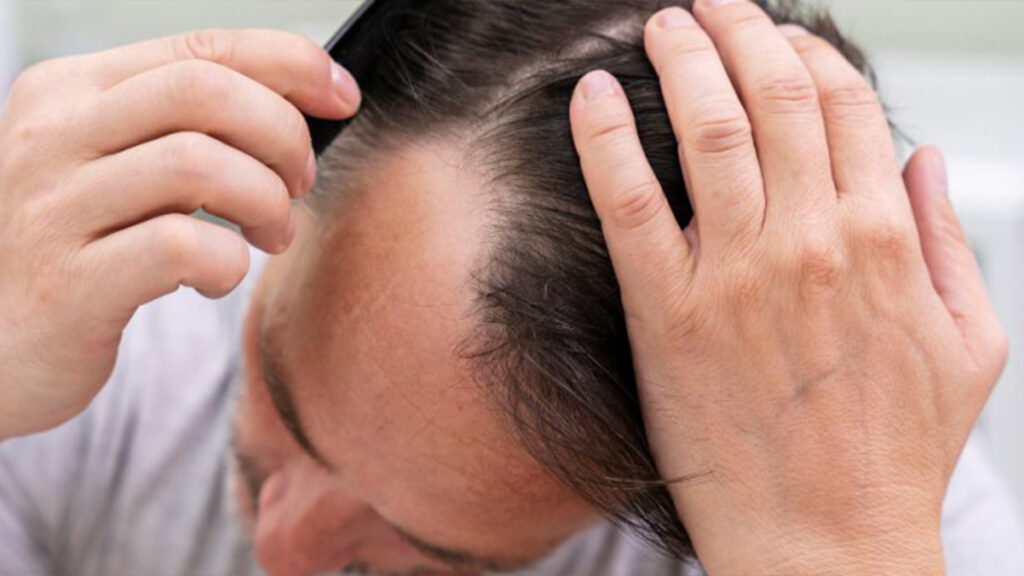
In most cases, after a successful hair transplant, individuals will have thicker hair with greater density. However, shortly after the procedure, you may experience some thinning and shedding of your existing hair. This situation can give rise to an unfavorable appearance on your scalp, and even some of the previously less affected areas might thin. If this condition persists beyond the normal shedding phase or lasts for an extended period, the specialized hair transplant doctor may recommend a second grafting operation.
To achieve the best results, you must follow post-transplant care guidelines meticulously. For example, it is necessary to refrain from strenuous physical activities and exercise for several weeks, avoid smoking and alcohol, increase your intake of vegetables and water, and adhere to other instructions for optimal recovery. Postoperative care is essential to ensure the success and longevity of the hair transplant results.
Conclusion:
In conclusion, hair bank and “Hair graft” play pivotal roles in the world of hair transplantation. The hair bank serves as a vital source of healthy hair grafts that are resistant to hair loss and suitable for transplantation. Understanding the significance of these terms and their functions is crucial if you are considering a hair transplant procedure. While hair transplantation is generally a safe and effective method to restore your hair, it requires careful consideration of factors such as the condition of your hair bank, the expertise of the medical team, and diligent post-transplant care to achieve the best, long-lasting results. Contact now with Norahealthtour team for more information.