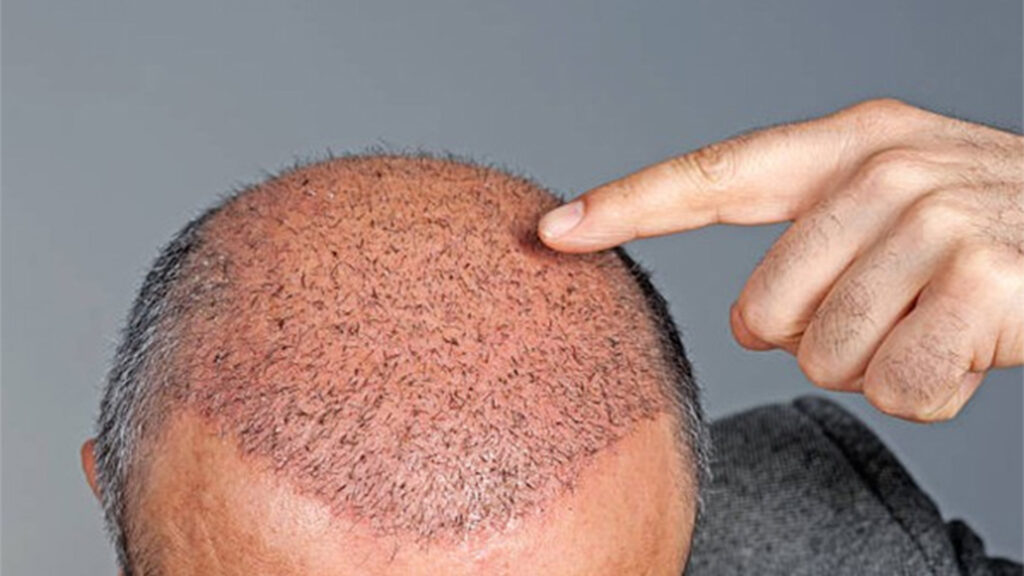
Post-operative care following a hair transplant is a crucial part of the procedure’s success. By diligently following your surgeon’s instructions, regularly washing your hair, and caring for your transplanted hair, you can achieve the best results and experience the recovery of natural and beautiful hair.
Hair loss can have a significant impact on one’s self-esteem and overall appearance. Many individuals turn to hair transplants as a solution to this problem, hoping to regain a fuller head of hair and boost their confidence. While the surgical procedure itself is a critical step, the journey to achieving the best results extends well beyond the operating room. This article delves into the crucial aspect of hair transplant aftercare, emphasizing its role in optimizing the outcome of the procedure.
Hair Transplant
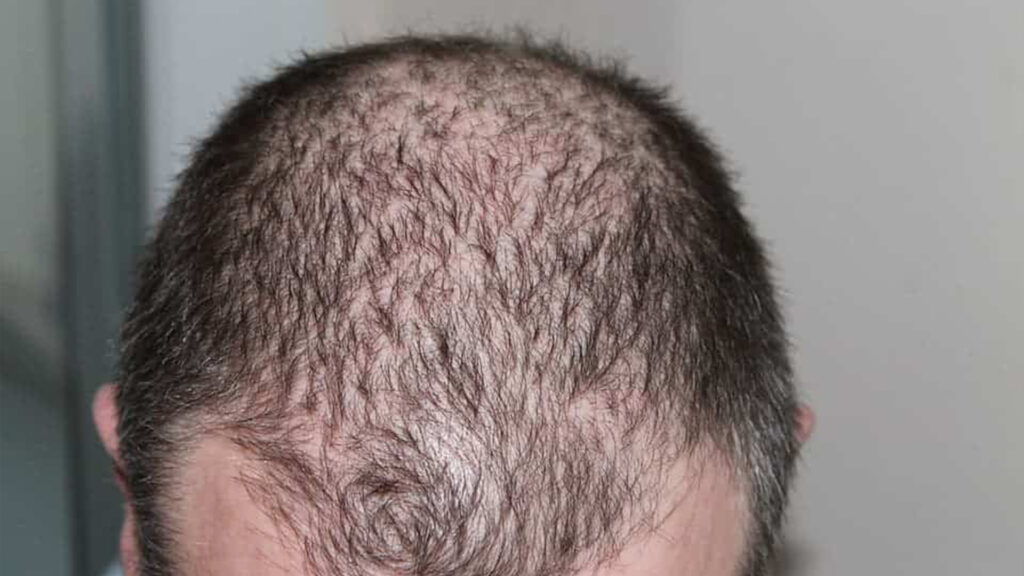
Hair transplant is a surgical procedure designed to address hair loss and restore natural hair growth in individuals experiencing hair thinning, baldness, or other hair-related issues. This surgical technique involves the removal of hair follicles from one part of the body, often referred to as the donor site, and their transplantation into the recipient area, typically the scalp, where hair loss or thinning is evident. The primary goal of a hair transplant is to improve the individual’s hair density and overall appearance.
There are two main techniques used in hair transplantation:
- Follicular Unit Transplantation (FUT): In FUT, a strip of skin containing hair follicles is surgically removed from the donor area, usually the back of the scalp. This strip is then dissected into smaller grafts, each containing one or more hair follicles, which are subsequently implanted into the recipient site.
- Follicular Unit Extraction (FUE): FUE is a more modern and minimally invasive technique. Individual hair follicles are extracted directly from the donor area using a specialized instrument. These individual follicular units are then transplanted into the recipient site.
Hair transplant procedures are typically performed on an outpatient basis under local anesthesia. Recovery time can vary, but patients can usually resume their normal activities within a few days to a week.
The success of a hair transplant depends on several factors, including the skill of the surgeon, the quality of the donor hair, and the patient’s expectations. It’s important to have a consultation with a qualified surgeon to determine if you are a suitable candidate for a hair transplant and to discuss the expected results.
In recent years, advancements in hair transplant techniques, such as robotic assistance and improved graft handling, have made the procedure more effective and less invasive, resulting in more natural-looking outcomes for patients.
Initial Care in Hair Transplant
In the context of a hair transplant procedure, “Initial Care” refers to the immediate post-operative steps and precautions taken to ensure the well-being of the patient and the success of the transplant. This phase is crucial in the healing process and includes the following key aspects:
- Post-Operative Monitoring: After the hair transplant surgery is completed, the patient is closely monitored for any signs of complications or adverse reactions. Vital signs such as blood pressure and heart rate are checked regularly to ensure the patient’s stability.
- Pain Management: Patients may experience some discomfort or pain following the surgery. To alleviate this, pain management medications, as prescribed by the surgeon, are administered. Patients are advised to follow the medication regimen as directed.
- Protection of Grafts: The newly transplanted hair grafts are delicate and need protection. Patients are instructed to avoid touching, scratching, or disturbing the grafts to prevent dislodgment.
- Head Elevation: Keeping the head elevated during sleep or rest is recommended to minimize swelling and promote proper blood circulation to the grafts.
- Avoiding Excessive Sun Exposure: Exposing the scalp to direct sunlight should be avoided, as it can cause discomfort and potentially harm the grafts. Wearing a hat or using sunscreen is advised when going outdoors.
- Hair Washing Guidelines: Specific instructions for washing the hair after a transplant are provided by the surgeon. Patients should follow these guidelines diligently to ensure proper hygiene and graft protection.
The Initial Care phase typically covers the first few days to weeks after the hair transplant procedure, and its proper execution is critical for the overall success of the transplant. Patients should closely follow their surgeon’s guidance to optimize healing and achieve the desired results.
Ongoing Care in Hair Transplant
Ongoing care in the context of a hair transplant refers to the long-term maintenance and follow-up measures taken by patients to ensure the health of transplanted hair and to preserve the desired results. While initial care focuses on the immediate post-operative period, ongoing care extends throughout the patient’s life to safeguard the investment in hair restoration. Here are key aspects of ongoing care:
- Regular Check-ups: Patients are advised to schedule regular follow-up appointments with their surgeon to monitor the progress of their transplanted hair, evaluate its growth, and address any concerns or issues that may arise.
- Medication: In some cases, surgeons may recommend specific medications, such as minoxidil or finasteride, to promote hair growth and prevent further hair loss. Patients should adhere to the prescribed medication regimen.
- Hair Care Routine: Adopting a gentle and appropriate hair care routine is essential. This includes using mild shampoos, avoiding excessive heat styling or harsh chemicals, and treating the transplanted hair with care.
- Sun Protection: Continued protection from excessive sun exposure is crucial to prevent damage to both the transplanted and existing hair. Wearing a hat and applying sunscreen to the scalp when exposed to sunlight is advisable.
- Healthy Lifestyle: A balanced diet and a healthy lifestyle can significantly impact the quality of hair. Proper nutrition, regular exercise, and stress management can contribute to overall hair health.
- Avoiding Smoking and Excessive Alcohol: Smoking and excessive alcohol consumption can have detrimental effects on hair growth. Patients are encouraged to avoid these habits for better hair health.
Ongoing care plays a vital role in preserving the results of a hair transplant and ensuring the long-term success of the procedure. Patients should maintain open communication with their surgeon and follow their recommendations to enjoy the full benefits of their restored hair.
Conclusion
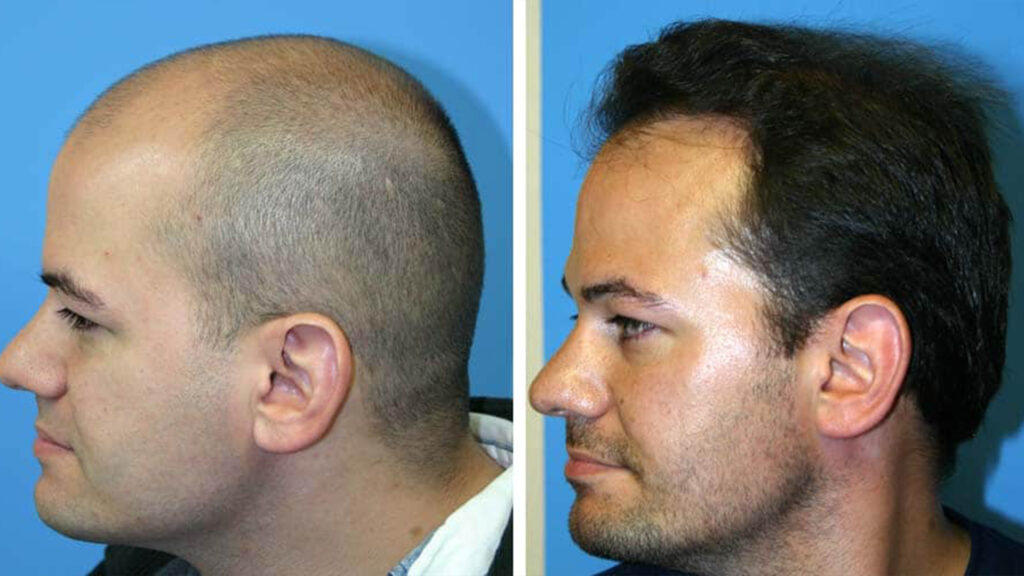
In conclusion, hair transplant procedures offer an effective solution for individuals experiencing hair loss or thinning. These surgeries have evolved over the years, providing natural-looking results and boosting the self-confidence of countless patients. However, achieving and maintaining successful outcomes require a commitment to both initial and ongoing care.
The initial care phase immediately following the procedure plays a crucial role in the healing process. Proper post-operative monitoring, pain management, and protection of grafts are vital components. Patients must diligently follow their surgeon’s instructions during this period to ensure the best possible results.
Ongoing care is equally important and extends throughout the patient’s life. Regular check-ups, medication as prescribed, a gentle hair care routine, sun protection, a healthy lifestyle, and stress management contribute to the long-term success of a hair transplant.
By understanding the significance of both initial and ongoing care, individuals can make informed decisions about undergoing a hair transplant and can enjoy the benefits of a fuller head of hair and enhanced self-esteem for years to come.