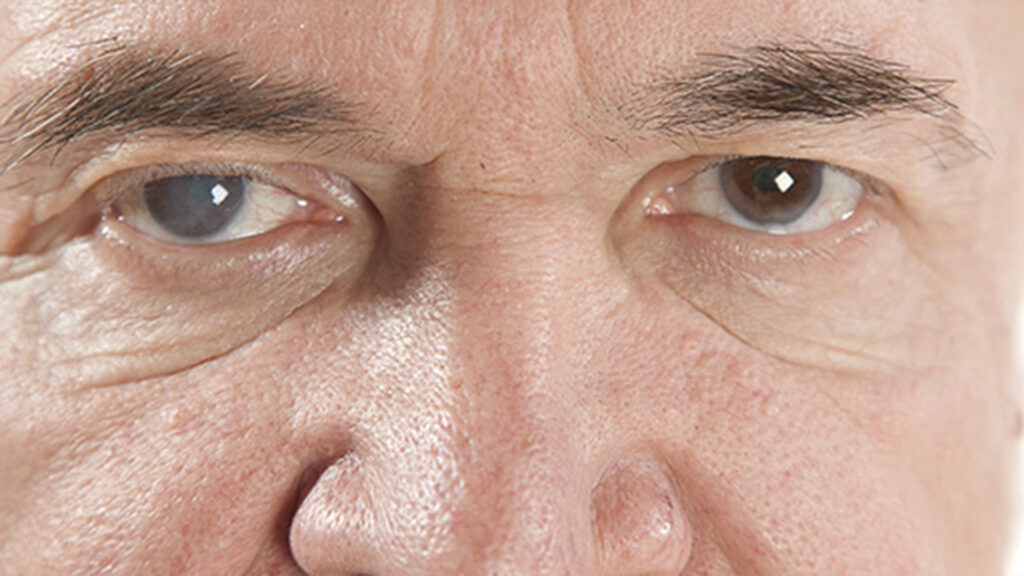
Cataract surgery is a common and highly successful medical procedure that has transformed the lives of millions of individuals worldwide. Cataracts, which cause clouding of the eye’s natural lens, can lead to significant vision impairment, hindering one’s ability to perform daily tasks and enjoy life to the fullest. Fortunately, cataract surgery offers an effective solution, enabling patients to regain clarity of vision and improve their overall quality of life.
This article explores the complications associated with cataract surgery, shedding light on potential challenges that patients and surgeons may encounter during and after the procedure. While cataract surgery is generally safe, understanding these complications is essential for informed decision-making and proactive management to ensure the best possible visual outcomes.
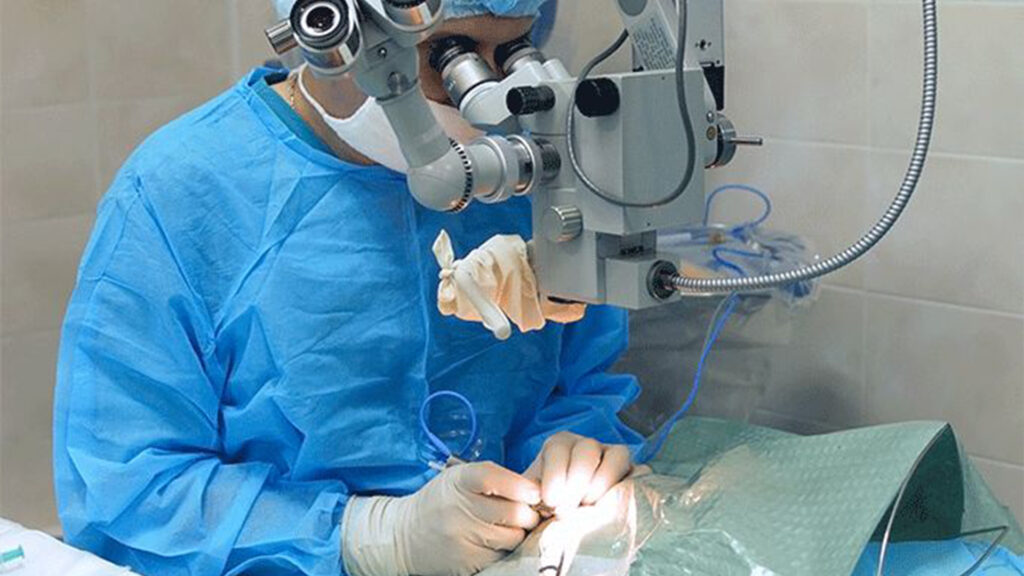
Does cataract surgery have problems ahead?
Cataract surgery is generally considered a safe and highly effective procedure for restoring vision in individuals with cataracts. However, like any surgical procedure, it can have potential complications and risks. Some of the common problems and complications associated with cataract surgery include:
- Infection: Although rare, eye infections can occur after cataract surgery. Symptoms may include redness, pain, discharge, and vision changes. Surgeons take precautions to minimize the risk of infection, and patients are often prescribed antibiotic eye drops to prevent this complication.
- Swelling and Inflammation: Some degree of swelling and inflammation is common after surgery. This typically resolves within a few weeks, but it can cause discomfort and temporary blurred vision. Anti-inflammatory medications are often prescribed to manage this issue.
- Retinal Detachment: While uncommon, retinal detachment is a severe complication that can occur after cataract surgery. Patients may experience symptoms such as sudden flashes of light, floating specks, or a curtain-like shadow over their vision. Immediate medical attention is crucial to address this issue surgically.
- Glaucoma: Cataract surgery can sometimes lead to an increase in intraocular pressure, resulting in glaucoma. Symptoms may include eye pain, blurred vision, and headaches. Timely intervention with medication or surgery is necessary to control intraocular pressure.
- Posterior Capsule Opacification: Sometimes referred to as “secondary cataract,” this condition can develop months or years after cataract surgery. It causes clouding of the posterior lens capsule and can lead to vision deterioration. A simple laser procedure called YAG capsulotomy can effectively treat this condition.
It’s important to note that the vast majority of cataract surgeries are successful, and most people experience significant improvements in their vision without encountering these complications. Ophthalmologists carefully assess patients before surgery and provide post-operative care to minimize the risk of problems.
Infection
An infection is a condition caused by the invasion and multiplication of harmful microorganisms, such as bacteria, viruses, fungi, or parasites, within the body. These microorganisms can disrupt normal bodily functions, leading to various symptoms and health complications. In the context of cataract surgery, an eye infection refers to the presence and growth of pathogenic microorganisms in the eye, which can result in inflammation, discomfort, and vision problems.
Swelling and Inflammation
Swelling refers to an enlargement or puffiness of a specific body part, typically caused by an accumulation of fluid in the affected area. It is a natural response of the body to injury, infection, or irritation. Inflammation, on the other hand, is the body’s complex biological response to harmful stimuli, such as pathogens or damaged cells. It involves various immune system components and is characterized by symptoms such as redness, warmth, pain, and swelling.
In the context of cataract surgery, swelling and inflammation can occur as part of the body’s healing process in response to the surgical procedure. While some degree of swelling and inflammation is normal after surgery, excessive or prolonged swelling and inflammation may require medical attention and treatment to ensure proper healing and minimize discomfort.
Retinal Detachment
Retinal detachment is a serious eye condition in which the retina, a thin layer of tissue at the back of the eye responsible for sensing light and sending visual signals to the brain, becomes separated from its normal position. This separation can occur for various reasons, including trauma, aging, or eye disorders.
There are three primary types of retinal detachment:
- Rhegmatogenous: This is the most common type and occurs when a tear or hole in the retina allows the vitreous gel inside the eye to seep through, leading to detachment.
- Tractional: Tractional retinal detachment occurs when scar tissue or fibrous membranes on the retina pull it away from its normal position.
- Exudative: Exudative retinal detachment results from the accumulation of fluid beneath the retina, typically due to an underlying medical condition.
Retinal detachment is a medical emergency that can lead to severe vision loss if not promptly treated. Symptoms may include sudden flashes of light, floaters, or the sensation of a curtain or shadow moving across the field of vision. Immediate surgical intervention is typically required to reattach the retina and prevent permanent vision impairment.
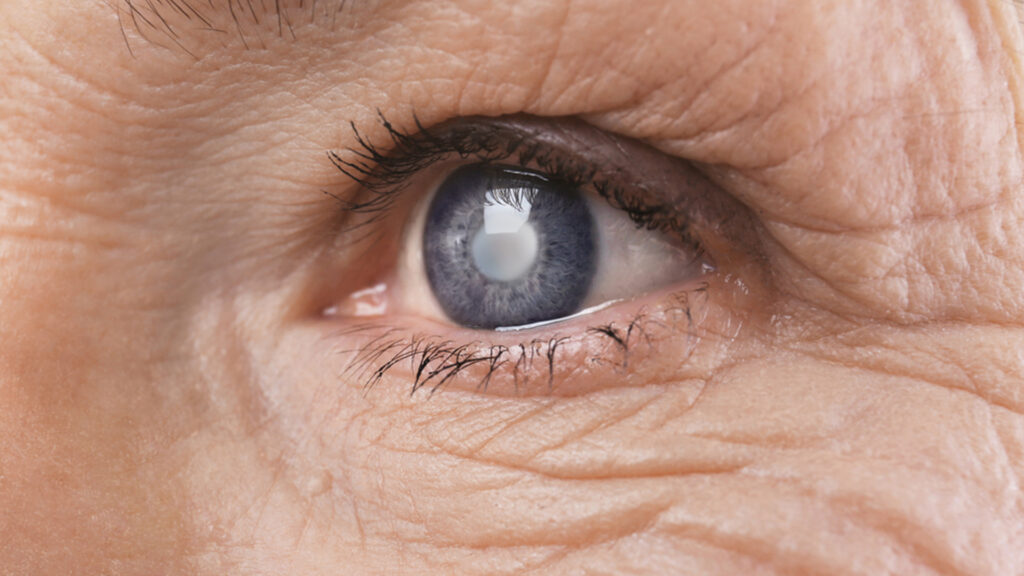
Glaucoma
Glaucoma is a group of eye conditions that damage the optic nerve, which is vital for transmitting visual information from the eye to the brain. This damage is often associated with increased intraocular pressure (IOP), although glaucoma can also occur with normal or even lower-than-normal IOP. If left untreated, glaucoma can lead to permanent vision loss and even blindness. There are several types of glaucoma, with primary open-angle glaucoma being the most common. Early detection and regular eye examinations are crucial for managing glaucoma, as it is often asymptomatic in its early stages. Treatment typically includes medications to lower IOP, laser therapy, or surgery.
Conclusion
Cataract surgery, while generally safe and effective in restoring vision, can present potential complications such as infection, swelling, retinal detachment, glaucoma, and posterior capsule opacification. These complications underscore the importance of regular follow-up appointments with an ophthalmologist to monitor for any issues and ensure early intervention when needed. It’s essential for both patients and surgeons to be aware of these potential complications and take appropriate measures to minimize risks and ensure the best possible visual outcomes.