Main Menu

Treatment packages are mainly leveled based on the ranking of surgeons (according to the number of annual surgeries, years of experience, educational and experimental records, the rate of successful surgeries and the percentage of patients’ satisfaction) and the hospital/clinic where the surgery is performed.
As an example, level 1 surgeons are Iranian brand doctors who are famous inside and outside the country and are mainly observed by international patients on social networks. It should be noted that all the doctors and surgeons that cooperate with Nora Health Tour are board certified and work in prominent hospitals that are licensed to accept international patients and comply with the standards of Nora Health Tour medical team.
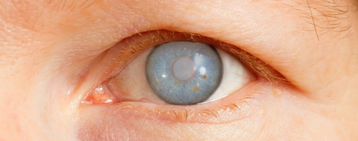
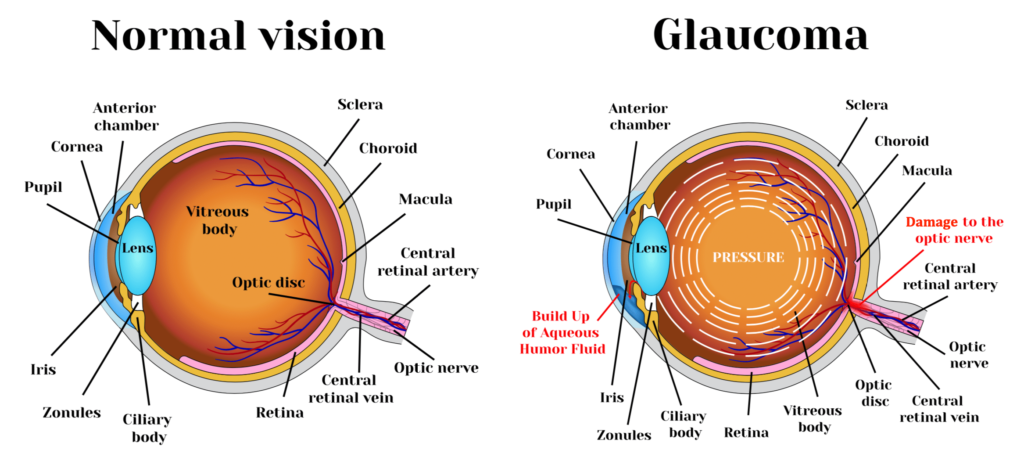
Glaucoma is one of the most common diseases that usually occurs after the age of 65 and it is a type of eye disease in which the optic nerve, which is responsible for transmitting the visual message to the brain, is gradually destroyed and as a result, patient loses his/her sight little by little and if Glaucoma is not treated, patient may become blind.
One of the main reasons for this is an increase in intraocular pressure. Over time, increased pressure can erode the optic nerve tissue and damage to the optic nerves and because the optic nerves which are responsible for transmitting information to the brain. People with diabetes, high blood pressure and heart disease are more likely to get glaucoma than others. Even people with low blood pressure sometimes get glaucoma. This is due to the negative effects of low pressure on the optic nerve.
Glaucoma has no symptoms at first but the person’s vision decreases slowly. The amount of vision that is lost due to Glaucoma is irreversible. But with early diagnosis, careful follow-up, and regular use of prescribed medications, more harm can be prevented. According to the World Health Organization (WHO), glaucoma is the second leading cause of blindness worldwide. More than 4 million people worldwide have been diagnosed with glaucoma due to glaucoma, according to international organizations, and this number is expected to increase to more than 12 million by 2020. However, more than 50% of patients in developed countries and about 60% to 90% of patients in developing countries are unaware of their disease.
Age Group | Frequency Percentage |
Newborn | A Single Case of Glaucoma in Every 10,000 Infants |
40-50 Years Old | Specialists Diagnose Approximately 1.1% of Patients with Primary Glaucoma |
60-75 Years Old | Glaucoma is Observed in 1.5% to 2% of People in this Age Group |
Regular ophthalmological examination is important to find the initial signs of optic nerve damage. Ophthalmological examination includes measurement of intraocular pressure, examination of the angle of the eye, examination of the optic nerve and visual field testing to diagnose glaucoma and imaging of the optic nerve and retina.
The two main types of glaucoma include:
Other types of Glaucoma include congenital glaucoma, pigmented glaucoma, and secondary glaucoma (caused by other eye problems).
The symptoms of glaucoma vary depending on the type
Glaucoma can happen in infants and children. It may be presented from birth of even develop in his/her the first few years. In children with Glaucoma, the process of draining fluid from the eye is blocked due to the abnormal growth of drainage tissue damage, increasing intraocular pressure, decreased vision, and optic nerve damage. There are many reasons for glaucoma in children. This disorder can be inherited or linked to other eye diseases. The symptoms are unusual eye enlargement, tears too, corneal opacity, sensitivity to light.

The main goal of glaucoma treatment is to prevent the disease from progressing and to maintain the remaining vision for the patient to lead a normal life. Most glaucoma treatments are based on controlling intraocular pressure, which can damage the optic nerve. Depending on patient’s situation, treatment method of glaucoma varies and may include oral drops, laser therapy, surgery, or a combination of any of these.

Glaucoma is usually treated with a primary surgery called a Ttrabeculectomy. But in some cases, when the surgery does not work well, another option is considered to remove excess fluid from the eye. This is done by inserting a silicone tube, called a Ahmad Valve, into the eye. This small tube helps to remove excess fluid from the eye and reduce the pressure created by the accumulation of this fluid. The extracted fluid is then naturally absorbed into the tissue around the eye. Before Glaucoma surgery, the patient is given sedatives and then the eye is anesthetized by injecting anesthesia into the area. The surgeon removes a small piece of white tissue (sclera) from the eye, creating a small canal for fluid to pass through the eye. The removed white part of the eye is then covered with a clear, thin layer of conjunctiva. The fluid is created through the duct and passes under the conjunctiva that covers it and comes out of the eye.
Another procedure suggested for the treatment of glaucoma is called Trabeculoplasty, which treats glaucoma with the help of a laser. However, this procedure is not always the best option for treating glaucoma and its recommendation depends on the patient’s condition and the severity of glaucoma. Some types of glaucoma, such as patients who have not been treated with surgery, such as traumatic glaucoma, silicone oil entering the eye, failed corneal transplantation, and congenital glaucoma, can be treated with ECP.
In this method, with the help of ECP device, which is a laser endoscope, a very thin probe, a 0.9 mm thick needle, a camera, a light source and a laser are inserted into the eye and the ciliary bodies are lasered. With the help of the camera, the laser is applied only on the parts the eye is radiant and damage to other eye tissues is prevented. The ciliary bodies are responsible for producing the fluid that contains the nutrients in the tissues inside the eye, and if for any reason the balance between the production and output of this fluid is disturbed, the pressure inside the eyeball becomes too normal and the optic nerve is damaged. The lasers of these ciliated bodies are repaired and the secretion of aqueous humor is reduced.
The patient should use antibiotic and anti-inflammatory drops for a few weeks after surgery to prevent infection and swelling. It is noteworthy that these drops are different from the drugs that the patient used to treat and control glaucoma. In some patients, surgery is about 80 to 90% effective in reducing pressure. However, if the duct is blocked during surgery, another operation may be needed. Glaucoma surgery works best if the patient has not had eye surgery (such as cataract surgery) before.
Actually, eye surgeries and eye treatments are outpatient and do not need an overnight in the hospital. If you bring a friend or family to be there and to help you change clothes and eat food, it is very good but Nora Health Tour provides in-house nurses for patients to be taken care of while recovering in the hotel. Though, it is not necessary to bring someone along.
There are many reasons why Iran is one of the best health tourism destinations, especially in the field of eye diseases and treatments. For decades, Iran has been the center of eye care in the Middle East, using the latest technologies and facilities for the treatment of eye diseases and having the best specialists in this field. To the extent that the high success rate of eye surgeries in Iran’s eye centers is world famous. Every single year, a great number of health tourists from all around the globe, and especially from Middle Eastern countries such as Iraq, Oman, and Qatar, pick Iran out of the leading health tourism countries like Turkey, the UAE, and India in order to receive their health treatment.
Many people from all over the world who suffer from eye problems travel to Iran every day to receive the best medical and care services with affordable prices from wide network of trained and experienced specialists and surgeons. Iranian ophthalmologists and ophthalmologists are among the most skilled and qualified specialists in the world and offer the best medical services along with better prices, higher quality in modern facilities. In terms of costs, Iran can be considered among the most affordable countries in which you can have eye surgeries, especially; this is mainly because of the low value of the Iranian currency (IRR).
It should be noted that individual brochures based on the patient / client plan, including pre- and post-operative instructions, as well as the necessary information and processes for further follow-up are provided to you. During your stay in Iran, the translators of Nora Health Tour fully support you 24/7 and will happily help you to resolve any concerns or ambiguities that may arise for you.
Glaucoma is a progressive ocular disease that causes permanent vision loss, as a result of damage to the optic nerve that carries visual signals between the eye and brain
Every surgery carries some level of risk, so it is important for us to find out as much as we can about you prior to your arrival. We will ask you to fill in the Medical questionnaire which will be assessed by our surgeons and head physician.
Most local anaesthetic patients can go home the same day of surgery assuming they have good vision in the other eye or have someone with them that evening. Many patients choose to stay overnight if this is difficult. Patients having a general anaesthetic may have to stay overnight.
Unfortunately, the operation cannot bring back any sight that has been lost. After the operation, your sight may be blurred and seem worse. This is only a temporary situation, and is to be expected after an operation. Your eye will need time to heal and settle down following surgery. This generally takes about 6-8 weeks in total.
It’s important to consult with your eye doctor for specific timelines regarding your recovery. Generally, we are cautious when the pressure in the eye is low. We will recommend limited lifting and bending. If your pressure normalizes, you should be able to return to light job duties in about one or two weeks.Most people can resume daily activities such as reading, watching TV or using phones, computers or other electronic devices within the first few days following surgery. Showering and bathing may also resume. Eye protection (a shield or glasses) is used to prevent bumping or rubbing the eye. You will not be able to drive home following surgery, so it’s important to have someone available to take you there and back. Driving can resume based on the level of glaucoma, the other eye’s condition and which procedure was done. Your surgeon will provide that guidance during your appointment.
For the procedures where the eye pressure is low, avoid the following activities during the first couple of weeks after surgery:
You should also avoid these activities, which can cause infection from bacteria:
Your eye care team will be able to provide more detailed timelines and directions for your recovery after your procedure.
All rights reserved for Nora Health Tour
Designed and Development by Raham