
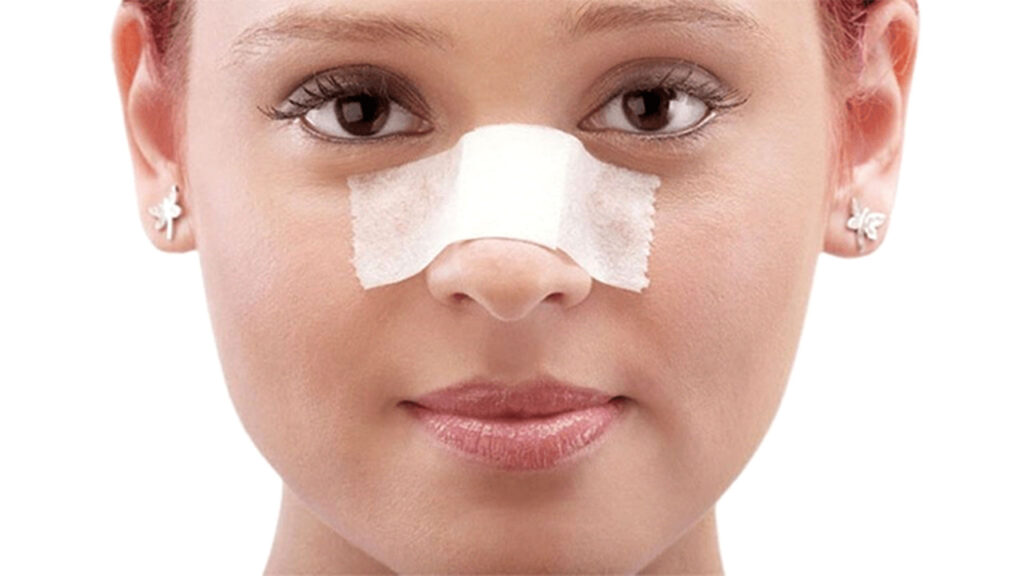
Rhinoplasty, commonly known as a “nose job,” is a surgical procedure sought after by individuals for various reasons, ranging from improving nasal aesthetics to correcting functional issues. While rhinoplasty can bring about transformative results, it’s essential for patients to be aware of the potential side effects and recovery process associated with the surgery. One of the primary concerns for many individuals undergoing rhinoplasty is bruising, which can occur as a natural part of the healing process. Understanding what to expect regarding bruising after rhinoplasty, along with strategies to manage and minimize it, is crucial for patients’ peace of mind and successful recovery.
In this comprehensive guide, we delve into everything you need to know about bruising after rhinoplasty. From exploring why bruising occurs to discussing how long it takes to heal and providing practical tips to reduce its severity, we aim to empower patients with the knowledge and resources necessary to navigate the post-operative period with confidence. By shedding light on this common aspect of rhinoplasty recovery, we hope to alleviate concerns and facilitate a smoother journey towards achieving desired nasal aesthetics and function. Let’s delve into the intricacies of bruising after rhinoplasty and equip patients with the information they need for a successful surgical experience.
Bruising After Rhinoplasty: Why Does It Happen?
Bruising after rhinoplasty is a common occurrence that stems from the intricate nature of the surgical procedure and the body’s natural response to tissue trauma. During rhinoplasty, the surgeon manipulates and reshapes the nasal structures to achieve the desired aesthetic or functional outcome. This process involves delicate maneuvers, such as cartilage sculpting, bone reshaping, and tissue repositioning, which can result in microscopic damage to the blood vessels beneath the skin’s surface.
The body responds to this trauma by initiating the inflammatory process, which includes the release of chemicals that cause blood vessels to dilate and become more permeable. As a result, red blood cells leak out of the damaged vessels and accumulate in the surrounding tissue, leading to the characteristic discoloration known as bruising. The extent and severity of bruising can vary depending on factors such as the complexity of the surgery, individual healing characteristics, and adherence to pre- and post-operative instructions.
Additionally, certain medications and supplements that affect blood clotting and vessel integrity may increase the likelihood or severity of bruising after rhinoplasty. These can include blood thinners, nonsteroidal anti-inflammatory drugs (NSAIDs), and herbal supplements like ginkgo biloba and garlic.
While bruising is an expected and temporary side effect of rhinoplasty, its appearance and resolution can be influenced by various factors, including surgical technique, patient anatomy, and post-operative care measures. Understanding why bruising occurs after rhinoplasty can help patients anticipate and manage this aspect of their recovery journey more effectively.
How Long Does Bruising After Rhinoplasty Take to Heal?
The duration for bruising to heal after rhinoplasty can vary from person to person and depends on several factors, including the extent of the surgery, individual healing capabilities, and adherence to post-operative care instructions. In general, most patients will notice a gradual improvement in bruising over the first few days to weeks following the procedure.
During the initial days after rhinoplasty, bruising is typically at its peak intensity, with the skin around the nose appearing discolored and swollen. As the healing process progresses, the bruising gradually fades in color, transitioning from deep purples and blues to lighter shades of green and yellow. This change in coloration indicates the breakdown and absorption of blood by the body’s natural healing mechanisms.
While mild bruising may resolve within a week or two post-surgery, more extensive bruising or swelling may persist for several weeks before completely resolving. Patients can aid the healing process and expedite bruise resolution by following their surgeon’s recommendations, which may include:
- Using Cold Compresses: Applying cold compresses or ice packs to the bruised areas can help reduce swelling and inflammation, thereby speeding up the healing process.
- Taking Prescribed Medications: Patients may be instructed to take prescribed medications, such as oral pain relievers or anti-inflammatory drugs, to manage discomfort and minimize swelling.
- Avoiding Blood Thinners: Avoiding medications and supplements that can thin the blood, such as aspirin, NSAIDs, and certain herbal supplements, can help prevent excessive bleeding and bruising.
- Elevating the Head: Keeping the head elevated while resting or sleeping can promote better circulation and reduce swelling in the nasal area.
- Following a Healthy Lifestyle: Maintaining a balanced diet, staying hydrated, and avoiding smoking can support overall healing and enhance the body’s ability to recover from surgery.
Ultimately, while bruising after rhinoplasty is a normal part of the healing process, patients can take proactive steps to minimize its duration and severity. However, it’s essential to consult with your surgeon if you have any concerns or experience unusual symptoms during the recovery period. By following post-operative care guidelines and practicing patience, patients can achieve a smoother and more comfortable recovery from rhinoplasty.
When to Inform Your Surgeon
It’s important to maintain open communication with your surgeon throughout the recovery process after rhinoplasty, especially regarding any concerns or unusual symptoms you may experience. Here are some situations in which you should promptly inform your surgeon:
- Severe or Prolonged Bruising: If you notice unusually severe bruising that does not improve over time or if bruising persists beyond the expected recovery period, it’s essential to inform your surgeon. Excessive or prolonged bruising may indicate underlying issues such as bleeding complications or poor healing, which require medical evaluation and management.
- Increasing Pain or Discomfort: While some discomfort is normal after rhinoplasty and can be managed with prescribed pain medications, a sudden increase in pain or discomfort may signal complications such as infection or inflammation. If you experience worsening pain or discomfort that is not relieved by medication or other measures, notify your surgeon promptly.
- Signs of Infection: Watch for signs of infection around the surgical site, such as increased redness, warmth, swelling, or drainage of pus. Additionally, if you develop a fever or experience systemic symptoms like chills or fatigue, these may also indicate an infection. Contact your surgeon immediately if you suspect an infection.
- Breathing Difficulties: If you experience new or worsening breathing difficulties after rhinoplasty, such as nasal congestion, obstruction, or difficulty breathing through the nose, inform your surgeon right away. These symptoms could be indicative of nasal airway obstruction or other issues that require evaluation and possible intervention.
- Changes in Nasal Appearance: While some swelling and changes in nasal appearance are expected during the initial stages of healing after rhinoplasty, significant asymmetry, deformity, or unexpected changes in shape may indicate complications such as displacement of nasal implants or poor healing. Notify your surgeon if you notice any concerning changes in your nasal appearance.
- Other Concerns or Questions: If you have any other concerns, questions, or uncertainties during the recovery process, don’t hesitate to reach out to your surgeon for guidance and reassurance. Your surgeon is there to support you throughout the post-operative period and can provide personalized advice based on your individual circumstances.
By promptly informing your surgeon of any issues or changes you experience during the recovery process, you can ensure timely intervention and appropriate management, ultimately promoting a smoother and more successful outcome from rhinoplasty.
Conclusion:
In conclusion, bruising after rhinoplasty is a common and expected side effect of the surgical procedure, resulting from tissue trauma and the body’s natural healing response. While bruising can be concerning for patients, especially in the immediate post-operative period, it typically resolves over time as the body absorbs the trapped blood and heals the affected tissues. By understanding why bruising occurs after rhinoplasty and knowing what to expect during the recovery process, patients can approach their post-operative journey with greater confidence and peace of mind.
Throughout the recovery period, maintaining open communication with your surgeon and adhering to post-operative care instructions are essential for ensuring a smooth and successful outcome. Promptly informing your surgeon of any concerns, unusual symptoms, or changes in your condition allows for timely evaluation and intervention if necessary, minimizing the risk of complications and promoting optimal healing.
While bruising after rhinoplasty may temporarily affect your appearance and comfort, it is a transient aspect of the surgical process that ultimately gives way to the desired aesthetic and functional improvements. By following your surgeon’s guidance, practicing patience, and prioritizing self-care, you can navigate the recovery period with resilience and optimism, ultimately achieving the results you desire from rhinoplasty.


