
Egg Donation

Empowering Parenthood: Exploring the Realm of Egg Donation in Iran

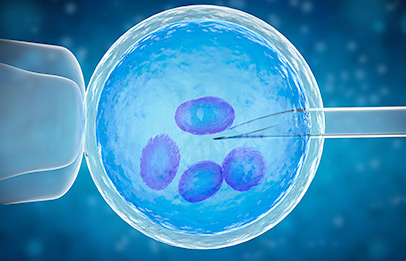
Egg donation, a remarkable process, involves a generous woman (the donor) contributing her eggs to assist another woman (the recipient) in achieving the dream of parenthood through assisted reproduction. This involves inseminating the donated eggs with the partner’s sperm, paving the way for a successful pregnancy. Iran, renowned for its favourable laws and regulations regarding egg donation, emerges as a sought-after destination for those seeking infertility treatment.

Egg donation in Iran transcends mere legality; it is widely embraced and remarkably affordable compared to other countries. This transformative process sees a fertile woman selflessly donating an egg, or oocyte, to an infertile woman, offering her the chance to conceive a baby. Once the donated egg is retrieved from the donor, it undergoes fertilization, setting the stage for the next chapter in the recipient’s journey towards motherhood. The egg donor herself undergoes a meticulous screening process, encompassing medical and genetic assessments, ensuring the utmost safety and success of the procedure. The donated eggs, after careful evaluation, unite with the sperm of the recipient’s partner or a sperm donor, commencing the creation of a precious embryo. This embryo is then delicately transferred into the recipient’s uterus, with the fervent hope of nurturing a successful pregnancy.

Egg donation in Iran serves as a beacon of hope for couples grappling with infertility, offering them a chance to experience the joys of parenthood. The donors, typically young and healthy women, are rightfully compensated for their invaluable time and dedication. The selection process for these generous individuals is rigorous, encompassing comprehensive medical, genetic, and psychological assessments. Remarkably, both the recipient couple and the generous egg donor have the option to remain anonymous or choose transparency in their remarkable act of creating life. Egg donation in Iran stands as a viable solution for couples navigating the challenging terrain of infertility, providing them with the opportunity to welcome a biological child into their lives. Now, let’s delve into the intricate process of IVF egg donation in Iran, unravelling the intricate steps that lead to the realization of parenthood.

Exploring Egg Donation: A Path to Parenthood

Egg donation, a beacon of hope for those grappling with infertility, is an assisted reproduction treatment where a woman selflessly donates eggs to empower another woman with the gift of conception. This intricate process often incorporates IVF technology, where the eggs are carefully fertilized within a laboratory setting. Subsequently, the resulting embryo(s) embarks on a transformative journey, finding its home within the uterus of a recipient—a gestational carrier who will nurture the pregnancy to term and bring forth the miracle of birth.

Egg donation transcends the boundaries of infertility; it is a lifeline for individuals or couples facing reproductive challenges or genetic disorders they wish not to pass on to their offspring. In some heartwarming cases, the recipient may be a single man or a loving gay couple, each seeking the joys of parenthood. IVF egg donation in Iran, a sophisticated medical procedure, unfolds in several meticulously orchestrated steps. This includes the crucial matching of the donor and recipient, psychological assessments for both parties, hormonal stimulation of the donor, the delicate retrieval of eggs, the art of fertilization, and the momentous transfer of the embryo. It’s essential to recognize that egg donation is a well-regulated process, replete with legal, ethical, and emotional considerations. Donors are rightfully compensated for their time and dedication, with the exact amount varying based on location and individual arrangements.

In conclusion, egg donation emerges as a beacon of hope, offering a profound opportunity for building families for those navigating the labyrinth of infertility. Yet, it is imperative to embark on this journey well-informed, seeking guidance from medical and legal professionals, and ensuring that every step is taken with care and compassion, ultimately leading to the cherished gift of parenthood.

Who Can Benefit from Egg Donation?

Egg donation, a remarkable journey of compassion and hope, extends its embrace to individuals and couples facing various challenges on their path to parenthood. The need for egg donation can manifest for a multitude of reasons, each highlighting the incredible potential of this assisted reproduction method.

  • Infertility Challenges: A primary impetus for considering egg donation arises when a couple confronts the harsh reality of infertility. This poignant choice often surfaces when the female partner’s eggs are incapable of yielding a viable pregnancy. It may also stem from the realization that while pregnancy with their eggs is feasible, the chances are exceptionally low, making IVF with their eggs neither advisable nor financially viable. This situation frequently occurs due to advanced reproductive age, although it is not exclusive to this demographic.
  • Early Onset of Menopause: The premature onset of menopause, which can occur as early as a woman’s 20s, can significantly impact her ability to conceive using her eggs. In such instances, egg donation stands as a beacon of hope.
  • Ovarian Absence or Damage: Some women are born without ovaries, while others may have their reproductive organs compromised or surgically removed due to various medical conditions or circumstances. Egg donation offers a pathway to motherhood for these resilient individuals.
  • Genetic Disorders: Egg donation becomes a compelling choice when a woman carries a genetic disorder that either obstructs her fertility or poses a risk of transmitting a serious genetic disease or birth defect to her offspring. It serves as a means to break free from the constraints of genetic challenges.
  • Age-Related Egg Quality Decline: Women over the age of 35 often experience a decline in egg quality and quantity, reducing the likelihood of a healthy pregnancy. Egg donation emerges as a solution to enhance their prospects of experiencing the joys of motherhood.
  • Unexplained Infertility: In some cases, couples face the perplexing challenge of unexplained infertility, where conventional diagnoses fail to pinpoint the underlying cause. Egg donation offers renewed hope to these determined individuals, bridging the gap between longing and fulfilment.
  • Medical Treatments: Individuals who have undergone medical treatments such as chemotherapy or radiation may find their eggs compromised or destroyed, rendering them unable to conceive. Egg donation, in such cases, holds the promise of restoring their dreams of parenthood.


It is crucial to emphasize that the decision to embark on the path of egg donation is deeply personal and should be made with thoughtful deliberation. Seeking guidance and support from a fertility specialist and mental health professional can provide invaluable insight and assistance, ensuring that this remarkable journey towards parenthood is embarked upon with confidence and optimism.

Illuminating a Path to Parenthood

Egg donation, a beacon of hope for those navigating the challenging terrain of infertility, has found a prominent place in Iran’s medical landscape. In 2023, Iran continues to shine as a leading destination for individuals and couples seeking the gift of parenthood through assisted reproduction. Here, we delve into the multifaceted world of egg donation in Iran, exploring its legal foundations, historical evolution, donor profiles, success rates, and the financial considerations that underpin this remarkable journey.

The Legal Oasis for Egg Donation

Iran stands as a unique Muslim nation, where egg donation finds its legal footing and widespread acceptance. The country’s medical institutions offer an array of fertility treatments, with egg donation taking centre stage. It’s worth noting that Iran’s distinction as the sole Muslim country allowing egg donation draws not only global couples but also many Muslim individuals and pairs in search of compatible donors. For those curious about the intersection of egg donation and Islam, our comprehensive article on the subject provides insights.

Tracing the Historical Tapestry of IVF Egg Donation

Iran’s legacy in the realm of in vitro fertilization (IVF) with donated eggs dates back to the late 1990s. The nation embraced IVF technology early, rapidly emerging as a global hub for infertility treatments, particularly IVF egg donation. This flourishing practice owes its prevalence to a unique blend of factors, including a heightened occurrence of genetic disorders and the relatively advanced age of prospective parents. With the Iranian government overseeing egg donation, rigorous screening protocols for genetic and infectious diseases are meticulously enforced, assuring privacy and confidentiality for all involved parties. This comprehensive approach has culminated in the realization of parenthood dreams for countless infertile couples.

Egg Donation: Permissible and Regulated

The unequivocal affirmation is that egg donation is not only allowed but actively regulated in Iran. The nation boasts a well-developed fertility industry, with egg donation serving as a fundamental component of infertility treatment. Stringent regulations govern egg donation, encompassing donor criteria and the meticulous management of donated eggs. This process is exclusively conducted in authorized medical centres, ensuring a secure and ethical environment.

Unveiling Iranian Egg Donors: Beyond Borders and Boundaries

In Iran, egg donation operates within the meticulous purview of the Ministry of Health and Medical Education. This steadfast regulation guarantees that egg donors undergo exhaustive medical and psychological evaluations, confirming both their physical health and emotional readiness for this profound act of generosity. Compensation is offered to these benevolent individuals in recognition of their invaluable contribution.

Moreover, Iranian egg donors uniquely offer intended parents the opportunity to align with donors who share similar ethnic and cultural backgrounds. The nation’s rich diversity, comprising various ethnic groups, allows for a harmonious cultural and religious connection between donors and recipients. Additionally, donors in Iran adhere to the Islamic faith, presenting a reassuring prospect for Muslim intended parents. Iran remains the sole Muslim nation where egg donation, sperm donation, surrogacy, and fertility services are legally embraced, cementing its status as a preferred destination for Muslim individuals and couples worldwide.


A Glimpse into Egg Donation Success in Iran

Iran’s egg donation programs boast impressive success rates, underpinned by advanced medical technologies, adept healthcare professionals, and optimal conditions for egg retrieval and fertilization. The country’s favourable reputation as a hub for infertility treatments, including egg donation, can be attributed to these high success rates, coupled with competitive IVF egg donation costs when compared to global standards. However, it’s essential to acknowledge that success rates are inherently subject to individual medical histories and the recipient’s unique circumstances, encompassing age, underlying causes of infertility, and overall health. Consulting with a fertility specialist is paramount to comprehending the success prospects tailored to specific cases.

Navigating the Path of Egg Donation in Iran: A Comprehensive Overview

Egg donation in Iran is a meticulously regulated and legally sound medical procedure, navigating a carefully structured process. It involves a harmonious interplay of medical evaluations, consent, and the dedicated involvement of both the egg donor and the recipient. Here, we elucidate the intricate journey of egg donation, emphasizing the central role of medical professionals and fertility clinics in ensuring its success.

1.The Donor’s Evaluation: A Multifaceted Assessment

Egg donation in Iran commences with the selection of a suitable egg donor. This pivotal decision is underpinned by comprehensive medical and psychological evaluations. The prospective donor undergoes rigorous scrutiny to ascertain her physical and mental well-being. She must be in excellent health, both physically and emotionally, to partake in this altruistic act. These assessments extend to genetic and infectious disease screenings to ensure the safety and well-being of all involved parties.

2.The Recipient’s Role: An Equally Critical Evaluation

Just as the egg donor undergoes a comprehensive evaluation, the recipient also plays an integral role in this process. Medical assessments are conducted, and consent is obtained from the recipient. This ensures that she is physically prepared for the embryo transfer process and that she willingly participates in this journey towards parenthood.

3.Compensation and Gratitude: Recognizing the Egg Donor’s Contribution

It’s important to acknowledge the invaluable contribution of the egg donor. In Iran, egg donors are typically compensated for their time and effort. This compensation serves as both a recognition of their generosity and an incentive for their commitment to the process. This practice fosters an environment of appreciation and gratitude, acknowledging the role of the donor in helping others achieve the dream of parenthood.

4.The Miraculous Union: Fertilization and Embryo Creation

Following the meticulous evaluation process, the donated eggs are united with the sperm of the recipient’s partner or a carefully selected sperm donor. This moment marks the inception of potential life, a profound step in the journey towards parenthood. Fertilization takes place within the controlled environment of a fertility clinic, ensuring optimal conditions for the creation of viable embryos.

5.A Promising Future: Embryo Transfer to the Recipient’s Uterus

The embryos resulting from the union of the donated eggs and sperm are then tenderly transferred to the recipient’s uterus. This delicate procedure aims to establish a nurturing environment where the embryos can thrive and develop into a healthy pregnancy. Medical professionals orchestrate this step with precision, with the ultimate goal of realizing the dream of parenthood.

6.The Role of Fertility Clinics: Guardians of the Process

Throughout this intricate journey, fertility clinics in Iran play a pivotal role. They serve as guardians of the process, orchestrating each step with the utmost care and expertise. Medical professionals in these clinics possess the knowledge and experience necessary to ensure the safety and success of the egg donation procedure. The regulated and structured environment within fertility clinics is essential to achieving optimal outcomes.

7.Success Rates and Varied Variables

The success rates of egg donation in Iran mirror those in other countries, subject to a myriad of factors. Variables such as the recipient’s age, the quality of the donated eggs and sperm, and the overall health of the recipient all contribute to the outcome. As with any medical procedure, individual circumstances play a significant role in determining success rates. Consulting with a fertility specialist allows prospective parents to gain insight into the prospects tailored to their unique situation.

In summary, egg donation in Iran is a carefully choreographed symphony of medical evaluations, consent, and meticulous care. The collaboration between egg donors, recipients, and fertility clinics ensures that the journey towards parenthood is both safe and promising. As the dream of parenthood unfolds, this journey shines as a testament to the beauty of altruism, medical expertise, and the enduring hope for a brighter future.
A Step-by-Step Guide on the Journey of Egg Donation in Iran

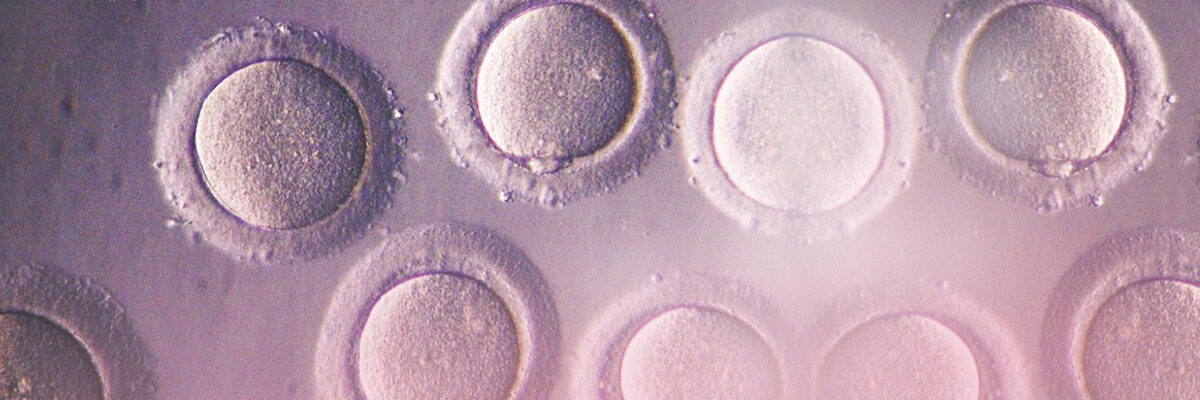
Egg donation in Iran unfolds as a meticulously orchestrated process, ensuring the well-being of both the donor and the recipient. Here’s a comprehensive step-by-step guide to navigating this journey:

  1. Finding the Right Donor: The journey commences with the critical step of selecting a suitable egg donor. This can be facilitated through a reputable clinic or a healthcare facilitator company. The donor must meet specific criteria, including considerations such as age, health, and genetic background. This decision sets the foundation for a successful egg donation process.
  1. Rigorous Screening Process: Ensuring the health and well-being of both the donor and the recipient is paramount. The selected donor undergoes a thorough evaluation encompassing medical and psychological assessments. This stringent screening process guarantees the donor’s suitability to contribute to this altruistic endeavour.
  1. Hormonal Stimulation: To optimize the chances of success, the donor receives hormone injections. These injections stimulate the production of multiple eggs, a crucial step in the process. Hormonal stimulation is administered with precision, aligning with the donor’s menstrual cycle.
  1. Egg Retrieval: A Delicate Procedure: Once the eggs have matured, they are delicately retrieved from the donor’s ovaries. This minor surgical procedure, known as transvaginal ultrasound aspiration, ensures the safe extraction of the eggs. The utmost care is exercised throughout this process, prioritizing the donor’s comfort and well-being.
  1. Fertilization in the Laboratory: The retrieved eggs embark on their journey towards potential life as they are fertilized with the sperm of the recipient’s partner. This intricate procedure takes place within the controlled environment of a laboratory, utilizing in-vitro fertilization (IVF) techniques. The laboratory provides the optimal conditions for successful fertilization.
  1. The Embryo Transfer: Nurturing the Future: The resulting embryos, a testament to the union of donated eggs and sperm, are gently transferred to the recipient’s uterus. This critical step sets the stage for the potential development of a healthy pregnancy. Medical professionals orchestrate this process with precision, mindful of the profound hope it carries.
  1. Awaiting the Promise: The Pregnancy Test: Approximately two weeks after the embryo transfer, a pivotal moment arrives—the pregnancy test. This test determines whether the procedure has yielded the desired outcome—a successful pregnancy. The anticipation and hope surrounding this moment are palpable, marking a significant milestone in the journey.
  1. Individualized Process: Tailoring to Unique Needs: It’s important to note that the egg donation process may exhibit variations based on individual needs and the guidance of medical professionals. Each journey is unique, underscoring the importance of thorough research and a comprehensive understanding of the egg donation process.

Best Candidates for Egg Donation in Iran

Egg donation in Iran extends its embrace to individuals facing various challenges on their path to parenthood. The best candidates for this journey may include:

  • Premature Ovarian Failure: When ovarian function declines before the age of 40, egg donation emerges as a promising solution.
  • Endometriosis: This condition, where uterine tissue grows outside the uterus, can necessitate egg donation for successful conception.
  • Uterine Fibroids: Benign tumours in the uterine wall may impact the implantation of fertilized eggs, making egg donation a viable option.
  • Previous Tubal Sterilization or Removal: In cases of tubal ligation, where fallopian tubes are blocked, IVF with egg donation may offer an alternative.
  • Impaired Sperm Production: Couples facing challenges related to sperm quality or function may benefit from egg donation.
  • Unexplained Infertility: In situations where conventional infertility causes are elusive, egg donation can offer renewed hope.
  • Genetic Disorders: Individuals at risk of passing on genetic disorders to their offspring may opt for preimplantation genetic diagnosis along with IVF and egg donation.
  • Fertility Preservation: Egg donation can be a lifeline for those undergoing cancer treatments that may impact fertility or women who lack a functional uterus.

Egg Donation in Iran with NoraHealthTour

NoraHealthTour stands as a beacon of support for international couples embarking on the egg donation journey in Iran. The process is not only legal but also fortified by the endorsement of legal and religious authorities. Here are some of the compelling reasons to consider NoraHealthTour for your egg donation journey:

Affordability: Benefit from cost-effective options without compromising on quality.

Expertise: Access skilled medical professionals and top fertility centres.

High Success Rates: Experience the potential for a successful outcome, guided by experts.

Donor Anonymity: Balance anonymity for donors with comprehensive information for recipient couples.

Comprehensive Support: Receive support throughout your stay in Iran, including medical appointments with renowned fertility doctors.

Your journey towards parenthood is met with compassion, expertise, and unwavering support when you choose NoraHealthTour for your egg donation experience in Iran. We extend an invitation for a free private consultation with our dedicated doctors, available to assist you at any time of the day. Your dreams of parenthood are within reach, guided by a trusted ally on this profound journey.

Nurturing the Dream: Egg Donation Costs in Iran

The financial landscape of egg donation in Iran unfolds as a dynamic spectrum, influenced by variables such as the chosen clinic, geographical location, and the specific egg donation procedure selected. On average, the estimated cost of IVF egg donation in Iran hovers between $5,000 to $6,000. It’s imperative to recognize that this pricing typically excludes ancillary expenses, including medical assessments, travel arrangements, and accommodation.

To embark on this transformative journey, individuals and couples are advised to solicit quotations from reputable clinics, gaining a comprehensive understanding of both the procedural intricacies and associated costs. Additionally, prioritizing ethical considerations and adhering to a stringent code of conduct in egg donation remains paramount. With safety and ethical standards at the forefront, selecting a distinguished healthcare facilitator such as Nora Health Tour is a strategic choice, guiding individuals toward the most reputable clinics and accomplished medical practitioners within this specialized field.

In summary, Iran’s illustrious reputation in the realm of egg donation is a testament to its commitment to fostering the dreams of parenthood. A unique blend of legal support, rigorous regulations, diverse donor profiles, and enviable success rates places Iran at the forefront of global egg donation destinations. As you embark on this transformative journey, remember that hope, compassion, and meticulous research pave the path to realizing the cherished gift of life.

The Cost of Hope: Egg Donation in Nora Health Tour

Embarking on an egg donation journey in Iran is a testament to both hope and affordability. The esteemed Nora Health Tour facilitates this transformative process for $5,500, covering a spectrum of services. This comprehensive package includes the expenses related to donating eggs, essential ultrasounds, and blood tests for couples, meticulous sperm analyses, essential medications, in vitro fertilization (IVF), and the delicate transfer of embryos to the awaiting uterus. Notably, Iranian law mandates that egg donation be reserved for couples whose infertility has been conclusively diagnosed post-marriage and medical treatment.

NoraHealthTour’s Tailored Egg Donation Packages in Iran: Your Path to Parenthood

Navigating the journey of parenthood through egg donation is a deeply personal and transformative experience. Nora Health Tour is committed to offering a range of thoughtfully designed packages, ensuring that your path to parenthood is tailored to your unique needs and aspirations. Here are the distinctive egg donation packages we offer:

  1. IVF + Egg Donation: $5,500: Our most popular package seamlessly combines in-vitro fertilization (IVF) with egg donation. This option is ideal for women facing challenges in producing high-quality eggs for conception. Within this package, eggs sourced from a selected donor are fertilized with the sperm sample provided by the male partner. Priced at $5,500, this comprehensive package encompasses all essential services, empowering you on your journey to parenthood.
  1. IVF + Egg Donation + PGD: $6,500: Elevate your experience with the IVF + Egg Donation + Preimplantation Genetic Diagnosis (PGD) package. In addition to utilizing donor eggs for conception, this package empowers you to select the gender of your future child through PGD technology. Reasons for choosing gender selection may include family balancing, cultural or religious preferences, medical considerations, or personal choice. Priced at $6,500, this package encompasses all required lab tests, ultrasounds, medication, doctor’s appointments, and embryo transfer.
  1. IVF + Egg Donation + PGS: $7,000: Experience the benefits of IVF + Egg Donation + Preimplantation Genetic Screening (PGS). This advanced package allows intended parents to utilize donor eggs while incorporating PGS technology to meticulously screen embryos before implantation. PGS enhances the chances of a successful pregnancy and reduces the risk of miscarriage or certain genetic disorders. Recommended for couples with recurrent miscarriages, past IVF failures, or genetic concerns, this package is priced at $7,000. It includes all lab tests, ultrasounds, medication, doctor’s appointments, and embryo transfer.
  1. Egg Donation + PGD + Surrogacy: $22,000: For a comprehensive and holistic approach to parenthood, consider the Egg Donation + PGD + Surrogacy package. Tailored to meet the needs of couples requiring donor eggs, gender selection, and the assistance of a surrogate mother, this package offers a complete solution. Priced at $22,000, this all-inclusive package covers all medical procedures, medications, and the surrogacy journey, eliminating the need for additional charges.
  1. Egg Donation + PGS + Surrogacy: $22,400: Embark on the journey of parenthood with confidence and assurance through the Egg Donation + PGS + Surrogacy package. This comprehensive option allows individuals and couples to utilize donor eggs, undergo embryo screening for optimal health, and engage the services of a surrogate mother to carry and deliver their precious child. Priced at $22,400, this package includes all essential medical expenses, ensuring a seamless and supported journey to parenthood.

At NoraHealthTour, we understand that the path to parenthood is deeply personal, and our packages are designed to honour and facilitate your unique journey. Each package reflects our commitment to providing compassionate and expert support as you embark on this transformative adventure. Your dreams of parenthood are within reach, guided by NoraHealthTour.


Why Choosing Iran for Health Tours and Medical Services ?

Why Choosing Nora Health Tour ?

Why Choosing Iran for Health Tours and Medical Services ?

Why Choosing Nora Health Tour ?

It should be noted that individual brochures based on the patient / client plan, including pre- and post-operative instructions, as well as the necessary information and processes for further follow-up are provided to you. During your stay in Iran, the translators of Nora Health Tour fully support you 24/7 and will happily help you to resolve any concerns or ambiguities that may arise for you.

Informative Guide

Guide

Contact us

Do you have any questions ? Or want to book packages ?