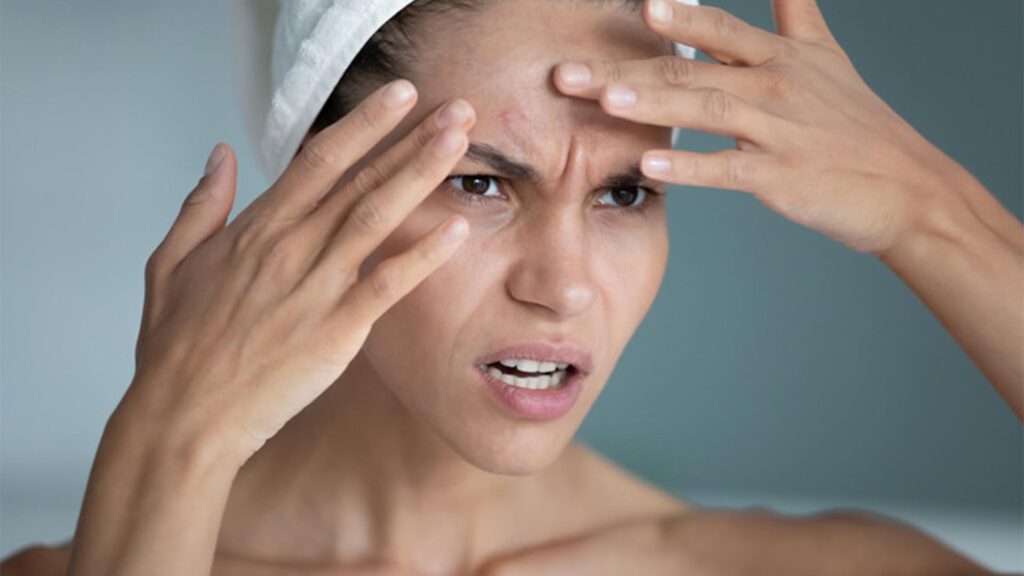
In today’s society, characterized by a myriad of daily challenges and pressures stemming from social, economic, and cultural changes, stress has emerged as a prominent and impactful phenomenon on human well-being. The realization that stress primarily affects physiological and psychological systems including the cardiovascular, nervous, and digestive systems has expanded the scope of its influence beyond conventional concerns. Among the organs influenced by stress, the skin holds a pivotal role.
As the largest organ of the human body, the skin not only interfaces with the external environment but also plays a crucial role in maintaining overall health. The skin’s exposure to various influences, both visible and imperceptible, underscores the significance of studying the effects of stress on this intricate organ.
This article aims to explore and elucidate the intricate connections between stress and its effects on skin health and appearance. By dissecting the underlying mechanisms that lead to the manifestation of stress effects on the skin, this article delves into the observable skin phenomena that serve as clear indicators of stress’s impact.
Stress is a complex physiological and psychological response that affects various aspects of human health, including the integumentary system, which comprises the skin. This article aims to explore the intricate relationship between stress and its impact on the skin. It delves into the underlying mechanisms through which stress can manifest visibly on the skin’s health and appearance, and discusses potential preventive measures and interventions to mitigate these effects.
The Physiology of Stress Response
The stress response is a complex and coordinated physiological reaction that the body initiates in response to perceived threats or challenges. This intricate mechanism, orchestrated by the neuroendocrine system, ensures the body’s readiness to confront or flee from potential dangers. The stress response primarily involves the interplay between the hypothalamus, the pituitary gland, and the adrenal glands, collectively known as the hypothalamic-pituitary-adrenal (HPA) axis, along with the sympathetic nervous system.
When an individual encounters a stressor, whether it be a physical threat or a psychological stressor, the hypothalamus, a region of the brain, signals the pituitary gland to release adrenocorticotropic hormone (ACTH). This hormone then prompts the adrenal glands, situated atop the kidneys, to release stress hormones, most notably cortisol and adrenaline.
Cortisol, often referred to as the “stress hormone,” plays a pivotal role in the stress response. It serves various functions aimed at preparing the body for action. One of its key roles is to increase the availability of glucose in the bloodstream, providing a rapid source of energy to support the body’s heightened alertness and physical demands during stress. Moreover, cortisol modulates the immune system’s response to minimize potential inflammation that may arise from the body’s reaction to stressors.
Adrenaline, also known as epinephrine, complements the actions of cortisol. It acts rapidly to enhance heart rate, dilate airways, and redirect blood flow to vital organs, effectively priming the body for the “fight or flight” response. This physiological cascade enables a rapid and coordinated response to stressors, ensuring the individual’s ability to confront challenges or evade threats effectively.
In the context of the skin, the stress response can exert notable effects. Elevated cortisol levels, for instance, influence sebaceous glands to increase the production of sebum, an oily substance that contributes to skin lubrication. However, an overproduction of sebum can lead to skin issues such as acne, as the excess oil can clog pores and promote inflammation.
Understanding the intricacies of the physiological stress response is crucial in comprehending the mechanisms through which stress can impact the skin’s health and appearance. By delving into these processes, we gain valuable insights into the potential pathways through which stress-induced changes manifest visibly on the skin, ultimately informing strategies to mitigate these effects and promote overall skin well-being.
Impact on Skin Conditions
Stress, as a potent physiological and psychological factor, exerts a significant influence on various skin conditions, revealing the intricate connection between the mind and the skin. The effects of stress on the skin are not only observable but also underscore the complex interplay between systemic processes and dermatological health. In this section, we delve into how stress can exacerbate or trigger specific skin conditions, shedding light on the mechanisms that contribute to these outcomes.
Acne:
Stress-induced alterations in hormone levels, particularly elevated cortisol, can stimulate the sebaceous glands to produce more oil. This excess oil, combined with the shedding of dead skin cells, can clog hair follicles, leading to the development of acne. Furthermore, stress-driven inflammation can exacerbate existing acne lesions, prolonging their duration and increasing their severity.
Psoriasis:
Psoriasis, an autoimmune skin disorder characterized by red, scaly patches, can worsen under the influence of stress. Stress triggers the release of inflammatory cytokines, which can amplify the immune response and lead to psoriasis flare-ups. The psychosocial impact of the visible skin lesions can create a feedback loop, further intensifying stress and exacerbating the condition.
Eczema (Atopic Dermatitis):
Stress has the potential to exacerbate atopic dermatitis, a chronic inflammatory skin condition commonly known as eczema. Stress can weaken the skin’s natural barrier function, allowing irritants and allergens to penetrate more easily. Additionally, the anxiety associated with stress may lead to increased scratching, which can exacerbate existing eczema lesions and trigger new ones.
Premature Aging:
The toll of chronic stress on the skin extends beyond dermatological conditions to the realm of premature aging. Prolonged stress can accelerate the aging process by negatively affecting collagen production and diminishing skin elasticity. This can manifest as the development of fine lines, wrinkles, and sagging skin, prematurely revealing signs of aging.
Rosacea:
Stress is recognized as a common trigger for rosacea, a chronic skin condition characterized by facial redness, flushing, and visible blood vessels. The exact mechanisms are not fully understood, but stress-induced inflammation and vasodilation are believed to play a role in exacerbating rosacea symptoms.
Hives (Urticaria) and Allergic Reactions:
Stress can also contribute to the development of hives and other allergic reactions on the skin. Stress-induced immune system activation can lead to histamine release, triggering itchy welts and skin irritation.
Understanding the impact of stress on these skin conditions emphasizes the importance of considering both psychological and physiological factors in dermatological health. The interactions between stress hormones, inflammatory responses, and immune system modulation collectively highlight the need for comprehensive approaches that address not only the physical symptoms but also the emotional well-being of individuals affected by stress-related skin conditions. Moreover, adopting stress management techniques and lifestyle changes can play a pivotal role in mitigating the exacerbating effects of stress on these conditions, contributing to improved overall skin health and quality of life.
Mechanisms of Stress-Induced Skin Effects
The intricate relationship between stress and skin health involves a range of underlying mechanisms that influence the skin’s structure, function, and appearance. Stress-induced changes in the body’s physiological processes can significantly impact the skin, often leading to the exacerbation or development of various dermatological conditions. In this section, we explore the key mechanisms through which stress manifests its effects on the skin.
Inflammation
Stress triggers a complex cascade of events that can contribute to systemic inflammation, affecting various organs, including the skin. Inflammation plays a central role in the development and exacerbation of many skin conditions, such as acne, psoriasis, and eczema. Stress-induced inflammation can lead to the release of pro-inflammatory cytokines, which contribute to skin redness, swelling, and discomfort.
Hormonal Imbalance
Stress disrupts the delicate balance of hormones in the body, particularly those involved in skin health. Elevated stress hormones like cortisol can impact the production of sex hormones such as testosterone, which can influence sebum production and contribute to the development of acne. Hormonal imbalances can also affect the skin’s natural healing processes, potentially prolonging the recovery from skin injuries or exacerbating existing conditions.
Skin Barrier Function
The skin’s barrier function, a crucial defense mechanism that prevents water loss and protects against external irritants, can be compromised by stress. Stress hormones like cortisol can weaken the skin’s barrier, leading to increased trans-epidermal water loss and making the skin more susceptible to irritation, dryness, and allergens. A compromised skin barrier can contribute to the development of conditions like eczema and allergic reactions.
Microbiome Imbalance
The skin’s microbiome, a complex ecosystem of microorganisms that inhabit the skin’s surface, plays a role in maintaining skin health. Stress can disrupt the balance of this microbiome, potentially leading to an overgrowth of harmful bacteria and a decrease in beneficial microorganisms. This imbalance can contribute to skin issues like acne, as the microbiome influences factors such as inflammation and sebum production.
Neurological Factors
Stress can also impact the skin through neurological pathways. The skin and the brain share a complex network of connections, known as the skin-brain axis. Stress can activate nerve fibers in the skin, triggering sensory perceptions like itching, burning, or pain. Additionally, stress can influence the release of neuropeptides, molecules that modulate various skin functions, including inflammation and blood flow.
Immune System Dysregulation
Stress has a bidirectional relationship with the immune system. While short-term stress can enhance immune responses, chronic stress can lead to immune system dysregulation. This dysregulation can contribute to the exacerbation of autoimmune skin conditions like psoriasis and can influence the body’s ability to fight off infections and promote proper wound healing.
Understanding these mechanisms provides insights into the complex ways stress impacts skin health. The interplay between inflammation, hormonal changes, skin barrier disruption, microbiome imbalance, neurological factors, and immune system dysregulation underscores the need for holistic approaches to managing stress and its effects on the skin. By addressing these underlying mechanisms, individuals can adopt effective strategies to mitigate stress-induced skin issues and promote overall skin well-being.
Coping Strategies and Interventions
Effectively managing and mitigating the impact of stress on your skin requires a multifaceted approach that encompasses both psychological and physiological aspects. The intricate interplay between stress and skin health underscores the importance of adopting various coping strategies and interventions. In this section, we delve into a range of practices that can help you navigate stress and promote the well-being of your skin.
Stress Awareness
The first step in managing stress is recognizing its presence. Develop self-awareness to identify situations, thoughts, or triggers that contribute to your stress levels. Understanding your stressors can empower you to take proactive measures to address them.
Mindfulness and Meditation
Practicing mindfulness meditation can help you stay present, reduce anxiety, and enhance your ability to manage stress. Mindful breathing exercises, guided meditation, and progressive muscle relaxation can promote relaxation and alleviate stress-related skin issues.
Stress-Reducing Activities
Engage in activities that bring you joy and relaxation, such as reading, painting, gardening, or listening to soothing music. These activities can divert your focus from stressors and provide a sense of fulfillment.
Physical Exercise
Regular physical activity not only improves your physical health but also enhances your mental well-being. Exercise releases endorphins, the body’s natural stress fighters, which can contribute to healthier skin and reduced stress-related symptoms.
Balanced Nutrition
Adopt a balanced and nourishing diet rich in fruits, vegetables, lean proteins, and whole grains. Certain nutrients, such as vitamins A, C, and E, as well as omega-3 fatty acids, contribute to skin health by supporting collagen production and reducing inflammation.
Hydration
Drinking an adequate amount of water is essential for maintaining skin hydration and overall health. Proper hydration supports skin elasticity and helps flush out toxins, contributing to a radiant complexion.
Quality Sleep
Prioritize sleep and establish a consistent sleep routine. Quality sleep allows your body to repair and regenerate, supporting skin cell turnover and promoting a healthy complexion.
Skincare Routine
Maintain a simple and consistent skincare routine that includes cleansing, moisturizing, and sun protection. Use products suitable for your skin type to maintain a healthy skin barrier and prevent stress-related skin issues.
Stress-Reduction Techniques
Engage in relaxation techniques such as deep breathing, aromatherapy, or warm baths to unwind and alleviate stress. These practices can have a positive impact on both your mental state and skin health.
Social Connections
Stay connected with friends and family members who provide emotional support. Sharing your thoughts and feelings can reduce feelings of isolation and promote a sense of belonging.
Professional Support
If stress is overwhelming or leading to persistent skin issues, consider seeking guidance from healthcare professionals. Dermatologists can provide expert advice on managing stress-related skin conditions, and mental health professionals can offer strategies for stress management.
Incorporating these coping strategies and interventions into your daily routine can contribute to a more balanced and resilient approach to stress, ultimately benefiting your skin’s health and overall well-being. Remember that managing stress is an ongoing process, and finding the right combination of practices that work for you can lead to positive outcomes for both your mind and your skin.