Undergoing rhinoplasty, a cosmetic surgical procedure aimed at enhancing the aesthetics and functionality of the nose, marks a significant step towards achieving the appearance you desire. However, the journey to your desired results doesn’t end with the surgical procedure alone. Post-operative care, including proper diet, plays an integral role in the healing process and the ultimate success of your rhinoplasty. In this comprehensive guide, we will delve into the essential aspects of your diet after rhinoplasty, exploring how the right nutrition can contribute to a smoother recovery, reduced swelling, and optimal healing.
The transition from the decision to undergo rhinoplasty to the final results is a transformative process that requires not only the expertise of a skilled surgeon but also your active involvement in nurturing your body back to health. Your diet forms a crucial component of this process, as it provides the building blocks and energy your body needs to repair tissues, manage inflammation, and counteract potential complications.
Rhinoplasty, commonly known as a nose job, is a surgical procedure that aims to enhance the appearance and function of the nose. While the surgical process itself is a crucial aspect of achieving desired results, post-operative care, including your diet, also plays a significant role in the recovery process. Following a proper diet after rhinoplasty can contribute to reduced swelling, faster healing, and overall improved outcomes. In this comprehensive guide, we will walk you through the essential dietary considerations and tips to ensure a smooth and successful recovery after your rhinoplasty surgery.
The Importance of Diet After Rhinoplasty
Rhinoplasty, a transformative surgical procedure aimed at reshaping and enhancing the nose, brings with it the promise of a new and improved appearance. However, achieving the desired aesthetic outcome is not solely dependent on the surgical expertise; it requires comprehensive post-operative care, with diet playing a pivotal role in the healing process. Proper nutrition after rhinoplasty can significantly influence the speed and quality of your recovery, ensuring not only physical healing but also overall well-being.
Supporting the Healing Process:
Undergoing rhinoplasty introduces changes to the nasal structures that require time and resources to heal effectively. During the recovery phase, your body is engaged in intricate processes of tissue repair, inflammation control, and immune response modulation. A well-balanced and nutrient-rich diet provides your body with the necessary building blocks, vitamins, and minerals to fuel these processes. Adequate protein intake, for example, supports the production of collagen, a protein essential for wound healing and tissue regeneration.
Minimizing Swelling and Inflammation:
Post-operative swelling is a common concern after Rhinoplasty. An inflamed nasal area can prolong discomfort and hinder the healing process. Certain foods possess anti-inflammatory properties that can help alleviate swelling and promote faster recovery. Incorporating foods rich in antioxidants, such as berries and leafy greens, as well as omega-3 fatty acids found in fish, can contribute to reducing inflammation and enhancing your comfort.
Boosting the Immune System:
A robust immune system is crucial for warding off infections and supporting overall healing. Nutrients like vitamin C, found in citrus fruits and bell peppers, play a pivotal role in immune function. By consuming foods rich in these nutrients, you provide your body with the ammunition it needs to fight off potential complications and infections during the delicate post-operative period.
Enhancing Tissue Regeneration:
The delicate tissues of the nose require time to regenerate and heal properly. Vitamins and minerals like vitamin A, found in sweet potatoes and carrots, are essential for skin health and cellular regeneration. These nutrients facilitate the restoration of tissues, ensuring your nose heals smoothly and efficiently.
Improving Comfort and Well-Being:
The post-operative period can be accompanied by discomfort, particularly in the form of pain and swelling. Proper nutrition can help manage these discomforts, contributing to your overall sense of well-being. Adequate hydration, for example, can prevent dryness and enhance the elasticity of your skin, reducing the sensation of tightness.
In essence, the significance of your diet after rhinoplasty goes beyond mere sustenance. It becomes a critical component of your healing journey, influencing the duration and quality of your recovery. By providing your body with the essential nutrients it requires, you actively participate in creating an environment conducive to efficient healing, reduced complications, and an enhanced outcome.
Remember, every individual’s healing process is unique. Consulting your surgeon or a qualified healthcare professional before making significant dietary changes ensures that your nutritional choices align with your specific medical condition, surgical procedure, and individual needs. As you embark on your recovery journey, recognize that the plate before you is not just a meal—it’s a key to a smoother, more successful outcome and a brighter, rejuvenated you.
Dietary Guidelines
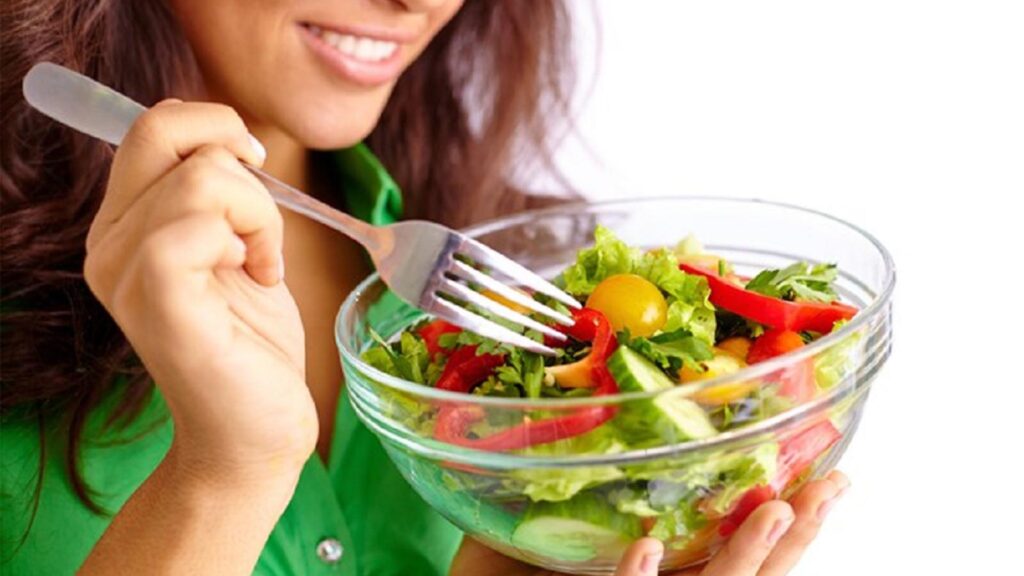
Following your rhinoplasty surgery, your body requires specific nutrients to facilitate healing, reduce inflammation, and support overall recovery. Adhering to proper dietary guidelines can make a significant difference in your healing process and the final outcome of your surgery. Here are essential dietary guidelines to consider during your recovery:
- Stay Hydrated:
Proper hydration is vital for healing and overall well-being. Drinking an adequate amount of water helps flush toxins from your body, maintains skin elasticity, and aids in tissue repair. Aim to consume at least 8 glasses of water a day, and more if you’re physically active or in a warm environment. - Emphasize Anti-Inflammatory Foods:
Incorporate foods rich in anti-inflammatory properties to help minimize swelling and promote healing. Fruits like berries, vegetables such as leafy greens, and omega-3 fatty acids found in fish like salmon, walnuts, and flaxseeds can all contribute to reducing inflammation. - Prioritize Protein Intake:
Protein is essential for tissue repair and wound healing. Include lean sources of protein in your diet, such as poultry, fish, eggs, beans, lentils, and tofu. Adequate protein intake supports collagen formation, crucial for healing incisions and regenerating tissues. - Opt for Vitamin-Rich Foods:
Vitamins are key players in the healing process. Vitamin C is crucial for collagen production, while vitamin A supports skin health. Include citrus fruits, bell peppers, carrots, sweet potatoes, spinach, and kale to provide a steady supply of essential vitamins. - Ensure Sufficient Mineral Intake:
Minerals like zinc and selenium are pivotal for immune function and wound healing. Nuts, seeds, whole grains, lean meats, and seafood are excellent sources of these minerals. - Fiber for Digestive Health:
Adequate dietary fiber helps prevent constipation, a common concern after surgery due to pain medications. Incorporate whole grains, fruits, vegetables, and legumes into your meals.
Foods to Avoid
The journey to a successful recovery after rhinoplasty involves not only adhering to beneficial dietary choices but also making conscious decisions to avoid certain foods that could hinder your healing process. By being mindful of what you consume, you can minimize discomfort, swelling, and potential complications, ensuring a smoother and more effective recovery. Here’s a list of foods to steer clear of during your post-operative period:
High-Sodium Foods:
Foods high in sodium can lead to water retention, exacerbating swelling in the nasal area. Processed foods, canned soups, fast food, and heavily salted snacks should be avoided. Opt for fresh, whole foods and use herbs and spices to season your meals instead of excessive salt.
Spicy Foods:
Spicy foods can irritate the nasal passages and potentially worsen discomfort during the initial recovery stages. Your nasal passages are sensitive post-surgery, and consuming spicy foods may exacerbate inflammation and discomfort. It’s advisable to avoid spicy dishes until your surgeon approves their reintroduction. That is why it is not good for later Rhinoplasty.
Alcohol:
Alcohol consumption can impede the healing process by dehydrating the body. Dehydration can exacerbate swelling and prolong your recovery. Alcohol can also interact negatively with pain medications and antibiotics, potentially leading to adverse effects. It’s best to abstain from alcohol until you’ve fully recovered.
Caffeine:
Caffeinated beverages like coffee, tea, and energy drinks can contribute to dehydration, similar to alcohol. Dehydration can hinder wound healing and slow down your recovery. While you recover, opt for hydrating beverages like water and herbal teas.
Gassy Foods:
Foods that cause gas and bloating, such as beans, carbonated drinks, cabbage, and broccoli, can put additional pressure on the surgical area and cause discomfort. Gas buildup can also contribute to swelling and lead to a less comfortable recovery.
Tough and Crunchy Foods:
Foods that require excessive chewing or create pressure in the mouth, such as tough meats, hard vegetables, and crunchy snacks, can strain the surgical area and potentially disrupt the healing process. Focus on soft, easily digestible foods during your recovery period.
Straw Usage:
Using straws to consume beverages can create suction in the mouth, which may affect the healing process and cause strain on the nasal area. To avoid potential complications, opt for sipping beverages directly from a cup during your recovery.
Large Meals:
Consuming large, heavy meals can put additional stress on the body’s digestive system and potentially lead to discomfort. Opt for smaller, more frequent meals to provide your body with a steady supply of nutrients without overwhelming your digestive tract.
By avoiding these foods and making mindful dietary choices, you can actively contribute to a smoother recovery after your rhinoplasty. Remember, everyone’s recovery timeline is unique, so consulting your surgeon or a registered dietitian before making significant dietary changes is essential. By adhering to these guidelines, you can optimize your healing process, minimize discomfort, and ensure that your investment in your Rhinoplasty yields the best possible results.