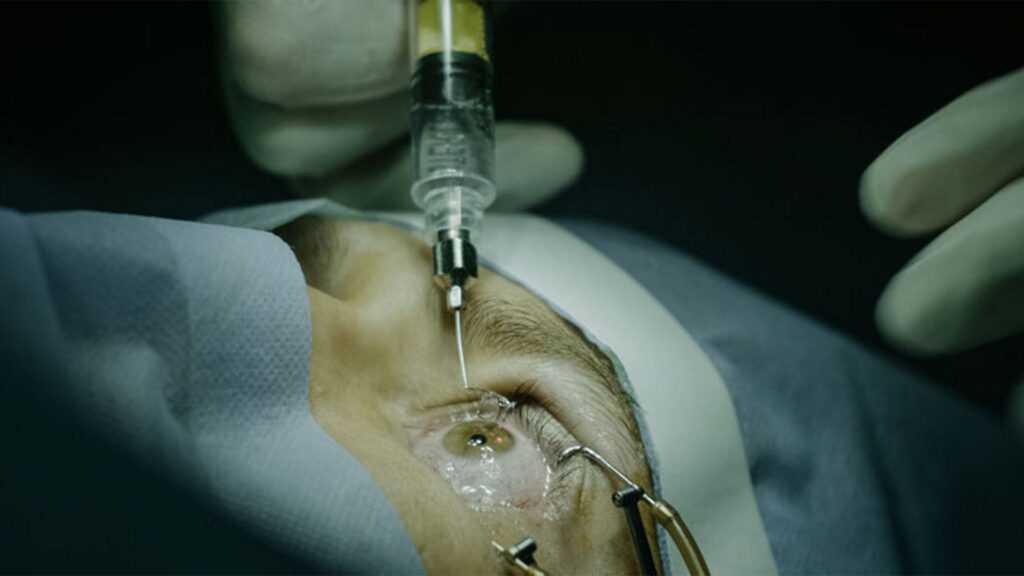
In recent decades, remarkable advancements in technology and ophthalmic medicine have ushered in a revolution in the field of ophthalmology. LASIK (Laser-Assisted In Situ Keratomileusis) surgery has emerged as one of the most effective and widely practiced methods for correcting refractive eye disorders. Not only does this procedure liberate individuals from dependence on eyeglasses and contact lenses, but it also enhances the quality of life and visual comfort. Nevertheless, the judicious selection of candidates for LASIK surgery remains of paramount importance.
One critical phase in the decision-making process for LASIK surgery is the identification of contraindications, reasons that preclude the performance of LASIK. Contraindications for LASIK surgery can encompass a wide range of factors, from ocular issues to systemic factors affecting the entire body. Accurate and informed knowledge regarding these contraindications can assist both physicians and patients in making sound decisions regarding the suitability of this crucial procedure.
In this article, we delve into the specifics of contraindications associated with This surgery, aiming to provide the latest research findings and medical guidance in this domain. Additionally, the significance of timely and accurate identification of contraindications becomes evident, empowering patients to make informed decisions regarding the improvement of their ocular health.
What is LASIK Surgery and How Is It Performed?
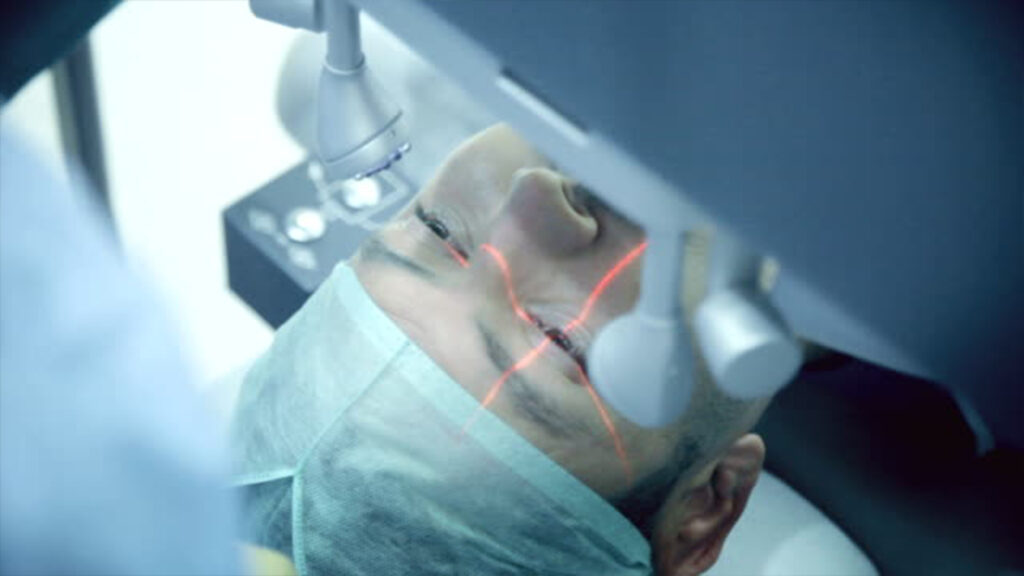
LASIK (Laser-Assisted In Situ Keratomileusis) surgery is a refractive eye surgery method used to correct vision problems. Here’s how LASIK surgery is performed:
- Preoperative Preparation:
- Initially, consult with an ophthalmologist to assess the suitability for LASIK surgery.
- Comprehensive eye examinations are conducted to evaluate eye health, including visual and refractive tests, such as Pentacam and corneal assessments.
- Corneal Flap Creation:
- After numbing the eyes with special eye drops for comfort, the cornea is cut using a microkeratome or a femtosecond laser device. This creates a flap of the cornea, known as a corneal flap.
- Laser Intervention:
- Following the corneal flap creation, an Excimer laser is used to precisely reshape the cornea based on the individual’s specific requirements. This laser adjusts the cornea to improve the clarity of the retinal image.
- Corneal Flap Replacement:
- After completing the laser procedure, the corneal flap is carefully repositioned back to its original position. There is no need for sutures, as the flap naturally adheres and heals.
- Postoperative Arrangements:
- The patient may remain at the surgical center for a short period to ensure the success of the procedure.
- The ophthalmologist may prescribe anti-inflammatory or antibacterial eye drops as a preventive measure against infection.
LASIK surgery is considered a safe and effective eye surgery, and many individuals achieve improved vision without the need for glasses or contact lenses afterward. However, accurate diagnosis and guidance from a healthcare professional regarding suitability for this procedure are crucial, and each individual should make their decision after consulting with an eye specialist.
contraindications for LASIK surgery
Contraindications for LASIK surgery refer to specific factors or conditions that make certain individuals unsuitable candidates for undergoing this vision correction procedure. These contraindications encompass a range of medical and ocular issues, including severe night vision impairment, unstable changes in vision, the presence of corneal disorders like keratoconus, corneal irregularities due to prior injuries or infections, systemic diseases like diabetes or autoimmune disorders, pregnancy or breastfeeding, and certain eye conditions such as glaucoma or retinal diseases. These contraindications are of paramount importance as they can increase the risk of post-surgery complications or unsatisfactory outcomes. Therefore, a thorough evaluation by an ophthalmologist is essential to determine a patient’s suitability for LASIK surgery and explore alternative treatment options when contraindications are present.
Here are the contraindications for LASIK surgery:
Severe Night Vision Impairment:
Individuals with severe night vision problems, such as difficulty seeing clearly in low-light or very bright conditions, are generally not suitable candidates for LASIK surgery.
Lack of Stability in Vision Changes:
Candidates should have stable vision changes to assess their vision status accurately before undergoing LASIK surgery. Unstable changes can lead to unsuccessful surgery outcomes or the need for additional surgeries.
Keratoconus:
Keratoconus is a corneal disorder resulting in corneal irregularities and instability. Individuals with keratoconus are not suitable candidates for LASIK surgery, and alternative surgical methods like PRK (Photorefractive Keratectomy) are typically recommended.
Corneal Changes Due to Other Factors:
Corneal changes resulting from factors such as corneal scars (past or present), corneal infections, or corneal damage from prior surgeries or injuries can contraindicate LASIK surgery.
Pregnancy and Breastfeeding:
Pregnant or breastfeeding women should refrain from LASIK surgery, as hormonal changes during these periods may have adverse effects on vision.
Systemic Diseases:
Individuals with systemic diseases like Type 1 and Type 2 diabetes, autoimmune disorders, rheumatological diseases, and immune-related conditions should be evaluated by their treating physician before considering LASIK surgery. Some systemic diseases may have unfavorable effects on vision after surgery.
Specific Eye Conditions:
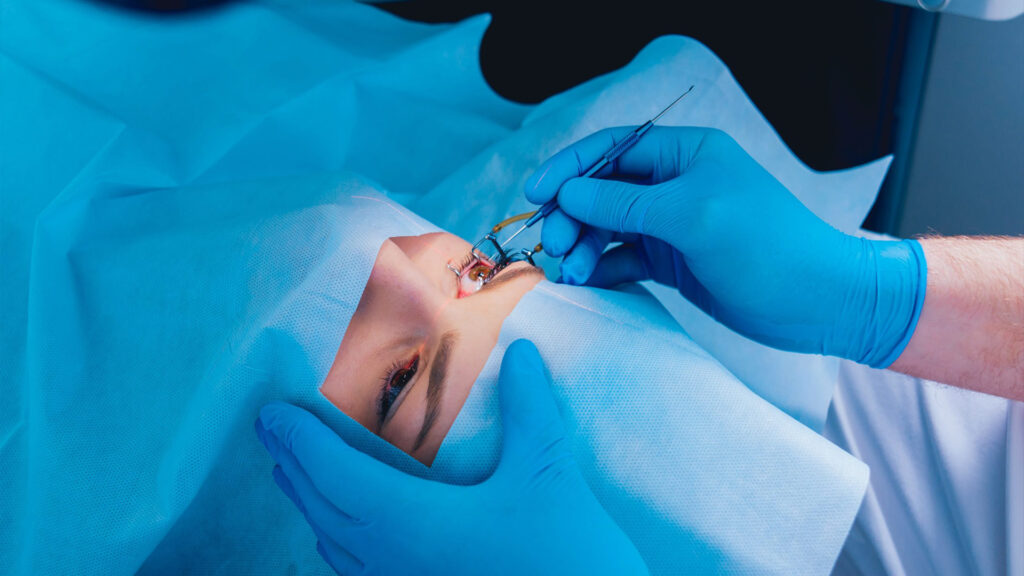
Certain eye conditions, such as severe dry eye syndrome, glaucoma, cataracts, and retinal diseases, may contraindicate LASIK surgery and require alternative treatments or procedures.
It’s crucial to consult with an ophthalmologist and undergo a comprehensive evaluation of your medical history and eye health to determine if LASIK surgery is suitable for you. Contraindications should be carefully considered before proceeding with the surgery to ensure safety and desired outcomes.
Conclusion
In this article, we have examined the crucial and vital contraindications for LASIK (Laser-Assisted In Situ Keratomileusis) surgery. Accurate diagnosis and medical recommendations regarding suitability for this surgery are of paramount importance. Individuals with specific eye problems or conditions, such as severe night vision impairment, unstable changes in vision, or corneal disorders, should pay careful attention to these contraindications. The decision to undergo This surgery should be made in consultation with and under the guidance of a specialized ophthalmologist. Due to the significance of accurate diagnosis and awareness of contraindications, it remains the best approach to ensure the success and safety of this important surgical procedure.