Cardiovascular diseases are a significant global health concern, contributing to a substantial portion of morbidity and mortality worldwide. The management of these diseases has seen remarkable advancements in medical technology and techniques. Two critical procedures, angiography and angioplasty, have played pivotal roles in both diagnosing and treating cardiovascular conditions.
Angiography and angioplasty represent two distinct yet interrelated approaches within the realm of interventional cardiology. While they share a common focus on cardiovascular health, their purposes, methodologies, and clinical indications vary significantly. This article aims to provide a comprehensive comparison between angiography and angioplasty, shedding light on their individual characteristics and the circumstances in which they are employed. By gaining a deeper understanding of these procedures, healthcare professionals and patients alike can make more informed decisions regarding cardiovascular care and treatment options.
Angiography
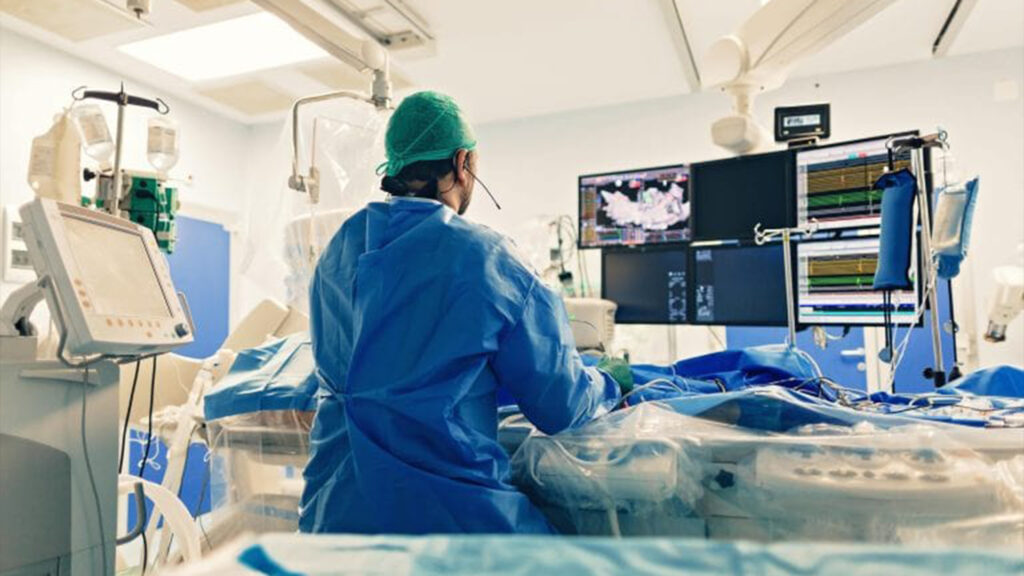
Angiography is a specialized medical imaging procedure that allows physicians to visualize and precisely diagnose vascular issues by injecting a contrast material (contrast agent) into blood vessels. This method is commonly used in the diagnosis and assessment of cardiovascular diseases, such as coronary artery diseases, cerebrovascular diseases, and peripheral vascular diseases (such as peripheral artery disease). Here are further details about angiography:
- Contrast Material Injection: The process begins with the injection of a contrast material, a specialized substance that is visible on medical imaging, into the blood vessels to make them visible.
- Angiography Machine: An angiography machine, specifically designed for this purpose, is used to perform the procedure. This machine passes X-rays through the patient’s body and captures images of the blood vessels.
- Fluoroscopy: Angiography can provide real-time images of blood flow in the vessels, known as fluoroscopy. This feature allows physicians to observe and examine changes in the vessels in real-time.
- Disease Diagnosis: Angiography enables physicians to diagnose vascular issues such as stenosis (narrowing), occlusions, aneurysms, or the formation of clots within the blood vessels. This information is invaluable for treatment planning and medical decision-making.
- Clinical Uses: Angiography serves as a diagnostic tool in various vascular diseases, including coronary artery disease, cerebrovascular diseases (related to blood vessels in the brain), and peripheral vascular diseases (such as peripheral artery disease).
The key takeaway is that angiography provides healthcare professionals with precise information and high-quality images for evaluating blood vessels and making informed medical decisions. With this information, physicians can monitor patients’ progress and provide more effective treatments.
Angioplasty
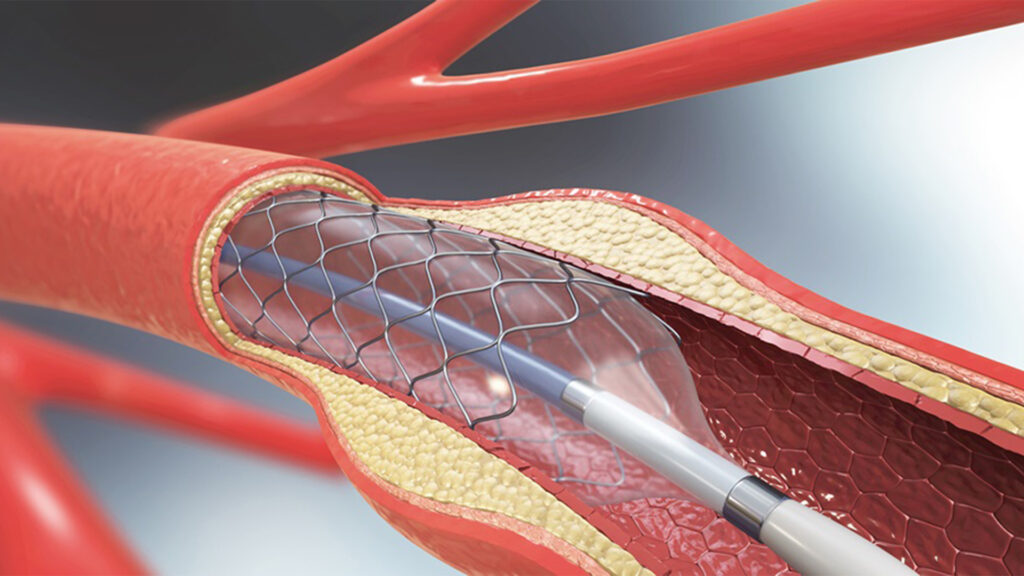
Angioplasty is a medical procedure used to treat vascular stenosis or blockages. It involves the use of a balloon-like device to reopen narrowed or blocked blood vessels. Angioplasty is most commonly performed in individuals who have developed coronary artery disease or peripheral artery disease. Here are further details about angioplasty:
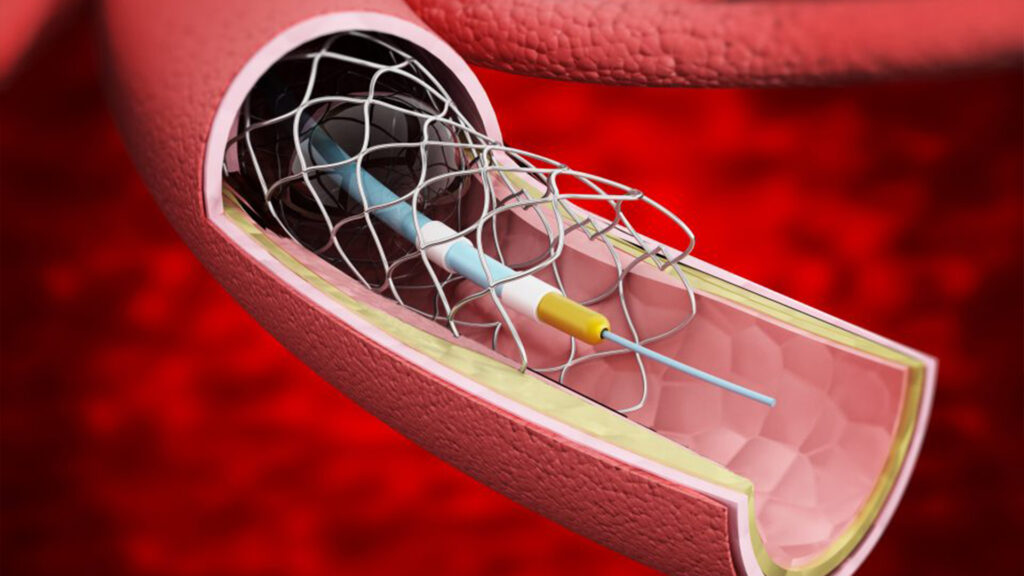
- Balloon Catheter: Angioplasty is performed using a special medical device known as a balloon catheter. This catheter has an inflatable balloon at its tip.
- Procedure Steps: During angioplasty, a physician guides the deflated balloon catheter into the narrowed or blocked blood vessel using imaging guidance, such as fluoroscopy (live X-ray). Once the catheter is in position, the balloon is inflated, pushing the plaque or blockage against the vessel walls.
- Restoration of Blood Flow: The inflation of the balloon compresses the plaque or blockage, effectively widening the vessel’s diameter and restoring proper blood flow. This alleviates symptoms and reduces the risk of complications associated with restricted blood flow.
- Stent Placement: In some cases, a stent may be placed within the treated vessel. A stent is a small mesh-like tube that acts as a scaffold to keep the vessel open. It helps prevent the treated area from narrowing again (restenosis).
- Clinical Applications: Angioplasty is commonly used to treat coronary artery disease by reopening narrowed coronary arteries, improving blood flow to the heart muscle. It is also employed in peripheral artery disease to alleviate symptoms like leg pain and improve circulation to the legs.
- Minimally Invasive: Angioplasty is considered a minimally invasive procedure, as it typically requires only a small incision and does not necessitate open surgery.
The primary goal of angioplasty is to alleviate symptoms, improve blood flow, and reduce the risk of complications associated with vascular stenosis or blockages. It is an essential intervention in the management of cardiovascular and peripheral vascular diseases, offering patients a less invasive alternative to traditional open surgery.
Differences
Here are the key differences between the two procedures, “Angiography” and “Angioplasty”:
- Primary Purpose:
- Angiography: The primary goal of angiography is accurate diagnosis and imaging of blood vessels to identify vascular issues.
- Angioplasty: Angioplasty serves as a therapeutic procedure, primarily aimed at opening narrowings or blockages within blood vessels to improve blood flow.
- Type of Intervention:
- Angiography: Angiography is a diagnostic procedure and does not involve treatment; it is used solely for imaging blood vessels.
- Angioplasty: Angioplasty is a therapeutic procedure that utilizes balloons to open up blood vessels.
- Procedure Steps:
- Angiography: In angiography, a contrast material is injected into blood vessels for imaging, and balloons are not used.
- Angioplasty: Angioplasty involves the use of balloon catheters to open narrowed vessels.
- Medical Goals:
- Angiography: The primary goal of angiography is accurate diagnosis and imaging.
- Angioplasty: The primary goal of angioplasty is treatment and the restoration of vessel function to a normal state.
These differences highlight that each of these two procedures has its own objectives and applications, and the appropriate choice between them should be made by healthcare professionals based on the clinical condition of the patients.
Conclusion
In this article, we have explored two primary medical procedures known as “Angiography” and “Angioplasty” and delineated their fundamental differences. Angiography serves as a specialized imaging method for diagnosing vascular issues, while angioplasty is employed as a therapeutic approach with the goal of restoring vessels to their normal state and improving blood flow.
Accurate diagnosis through angiography empowers healthcare professionals to identify vascular problems and plan precise treatment strategies. Conversely, angioplasty, using balloons, opens up vessels, aiding patients in alleviating symptoms of vascular narrowings and enhancing blood circulation.
Ultimately, the choice between these two methods should be based on patients’ clinical conditions and treatment objectives, determined by medical practitioners. Furthermore, ongoing technological advancements in medical science may continuously refine these procedures, ensuring the best care for vascular diseases.