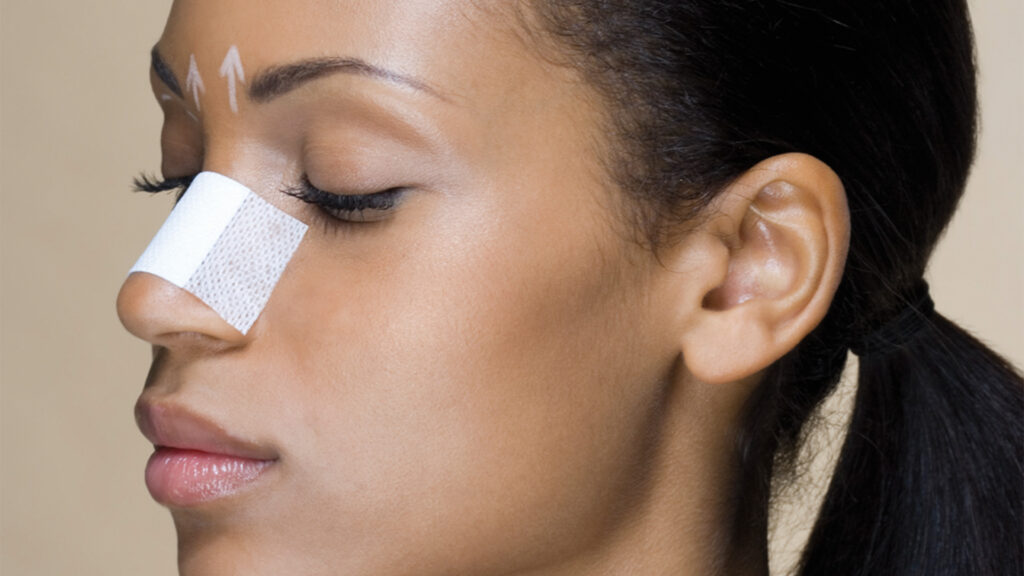
Rhinoplasty, commonly known as a nose job, is a surgical procedure that aims to enhance the shape and appearance of the nose. After undergoing rhinoplasty, patients often wonder when they can resume their regular activities, including wearing makeup. The healing process after rhinoplasty is essential for achieving optimal results and preventing complications. This article provides a comprehensive guide on when and how to safely wear makeup after rhinoplasty to ensure a smooth and successful recovery.

When Can I Wear Makeup After Rhinoplasty?
Putting on makeup after a nose job (rhinoplasty) requires special care and attention to avoid any irritation or disruption to the healing process. Here are some guidelines and steps to follow when applying makeup after nose job surgery:
- Wait for Clearance from Your Surgeon: Before resuming your makeup routine, it is essential to wait for your surgeon’s approval. They will evaluate your healing progress and advise you on the appropriate time to start wearing makeup. Typically, this is around two to three weeks after rhinoplasty when initial swelling and bruising have subsided.
- Use Gentle and Non-Irritating Products: Opt for hypoallergenic, fragrance-free, and non-comedogenic makeup products. These products are less likely to cause skin irritation or clog pores, which is crucial during the healing phase.
- Avoid Direct Nose Contact: Avoid applying makeup directly on the nose area, especially on any incision lines or areas that may still be tender. Focus on enhancing other facial features while giving the nose time to heal undisturbed.
- Prepare Your Skin: Start with a clean, moisturized face. Gently cleanse your skin with a mild, non-abrasive cleanser and apply a suitable moisturizer. This will create a smooth canvas for makeup application and prevent dryness.
- Foundation and Concealer: Use a lightweight, buildable foundation or concealer to even out your skin tone and cover any residual bruising or redness. Apply the products with a soft makeup brush or makeup sponge in gentle, dabbing motions.
- Blush and Contour: When applying blush and contour products, use a light hand and blend well. Avoid applying too much pressure or rubbing the nose area to prevent any discomfort.
- Eye Makeup: Emphasize your eyes with eyeshadow, eyeliner, and mascara. Focus on your eye area to draw attention away from the nose during the healing period.
- Lips: Enhance your lips with lipstick or lip gloss. This can help balance the overall facial appearance and draw attention away from the nose.
- Avoid Heavy or Powder-Based Makeup: During the initial healing phase, it is best to avoid heavy makeup products, especially powder-based ones. Powder can be drying and may irritate the healing skin.
- Be Gentle During Removal: When removing makeup, be gentle around the nose area. Use a gentle makeup remover or cleansing oil to dissolve makeup without rubbing or tugging on the skin.
- Sun Protection: Always use makeup products that contain sunscreen with a minimum SPF of 30 to protect your skin from harmful UV rays. Sun exposure can worsen swelling and cause hyperpigmentation.
Remember, each individual’s healing process may vary, so it is crucial to follow your surgeon’s specific guidelines. If you experience any discomfort or irritation while applying makeup, discontinue use and consult your surgeon. By following these steps and being gentle with your nose area, you can safely and confidently wear makeup after nose job surgery.

Conclusion
Wearing makeup after rhinoplasty requires careful consideration and adherence to post-surgical guidelines. The initial healing period should focus on the nose’s recovery, with makeup use introduced gradually once your surgeon gives clearance. Prioritize gentle and hypoallergenic makeup products, avoid direct nose contact, and ensure proper makeup removal and sun protection. By following these steps, you can safely enjoy the benefits of makeup while supporting a successful rhinoplasty recovery and achieving the desired aesthetic outcome. Always consult your surgeon for personalized advice and recommendations tailored to your unique healing process.