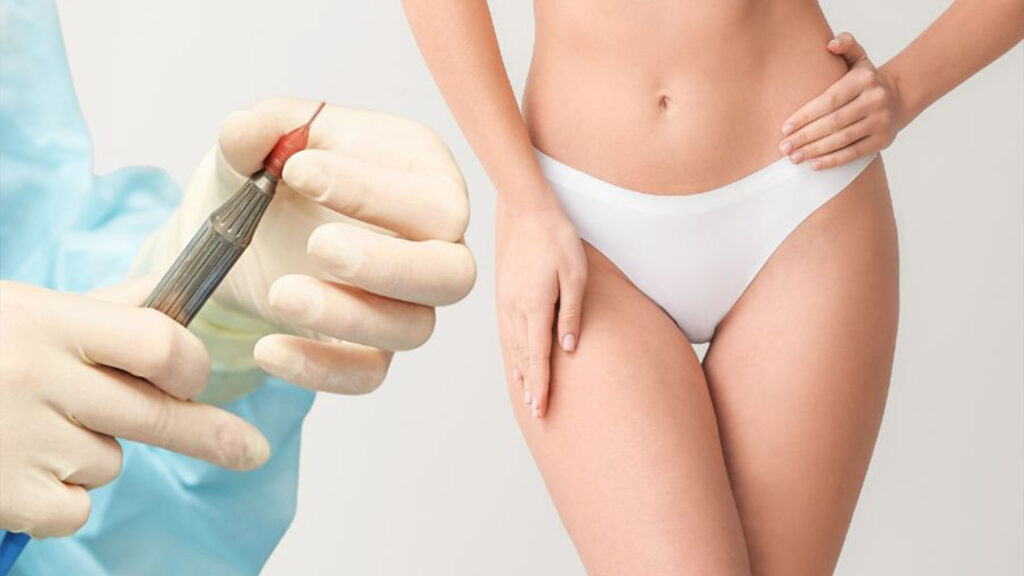
In recent years, labiaplasty has emerged as a topic of increasing interest and debate within the realms of medicine, ethics, and society. This surgical procedure, which involves altering the size, shape, or appearance of the labia minora or labia majora, has garnered attention for its complex intersection of medical, aesthetic, cultural, and psychological factors. As the popularity of labiaplasty rises, so too do questions surrounding patient motivations, societal influences, and the ethical considerations inherent in altering genital anatomy.
At the heart of the discussion surrounding labiaplasty lies a fundamental question: Why would someone seek out this procedure? Understanding the diverse motivations and considerations driving individuals to undergo labiaplasty Surgery is essential for healthcare providers, researchers, and society as a whole. By exploring the multifaceted reasons behind this decision, we can gain insight into the complex interplay of cultural norms, body image perceptions, functional concerns, psychological factors, and medical indications that shape patients’ attitudes towards their genital appearance.
In this article, we delve into the various factors influencing individuals’ decisions to undergo labiaplasty, ranging from cultural and societal pressures to functional discomfort, psychological distress, and considerations related to gender affirmation. Through an exploration of patient motivations, experiences, and perspectives, we aim to shed light on the nuanced and often misunderstood aspects of labiaplasty and its impact on patients’ lives.
As we navigate this sensitive and complex topic, it is crucial to approach the discussion with empathy, compassion, and a commitment to patient-centered care. By fostering open dialogue, promoting informed decision-making, and addressing the broader social and ethical implications of labiaplasty, we can strive to ensure that individuals are empowered to make choices that align with their values, preferences, and overall well-being.
Join us on a journey to uncover the reasons behind labiaplasty, as we explore the intersection of medicine, culture, identity, and personal autonomy in the context of genital health and body image. Through understanding and compassion, we can work towards a more inclusive and supportive approach to sexual and reproductive healthcare for all individuals.
Cultural and Societal Influences:
Cultural and societal influences play a significant role in shaping individuals’ perceptions and attitudes towards their bodies, including the appearance of their genitalia. Across different cultures and societies, there exist varying beauty ideals, norms, and standards of attractiveness that can influence how individuals perceive their genital anatomy. Media portrayals, social media influence, and peer pressure contribute to the perpetuation of unrealistic beauty standards and may create feelings of inadequacy or dissatisfaction with one’s genital appearance.
In many Western societies, there is a prevailing emphasis on youthfulness, perfection, and symmetry in physical appearance, including genital aesthetics. Media representations of idealized bodies, airbrushed images, and digitally altered photographs often reinforce narrow beauty standards that prioritize certain physical features while marginalizing others. Such portrayals can contribute to feelings of insecurity or self-consciousness about perceived “imperfections” or deviations from the perceived norm, including variations in labial size, shape, or color.
Furthermore, cultural taboos surrounding discussions of genitalia and sexuality may contribute to a lack of education and awareness about normal variations in genital anatomy. This lack of understanding can fuel misconceptions, shame, and stigma surrounding genital appearance, leading individuals to seek surgical interventions such as labiaplasty in an effort to conform to perceived societal norms or ideals of beauty.
Additionally, cultural and religious beliefs may influence attitudes towards sexuality, modesty, and femininity, further shaping individuals’ perceptions of their bodies and genitalia. Societal expectations regarding femininity, sexual desirability, and the importance of physical appearance may exert pressure on individuals to conform to certain standards of genital aesthetics, leading them to consider cosmetic procedures such as labiaplasty to achieve an idealized appearance.
It is essential to recognize the impact of cultural and societal influences on individuals’ perceptions of their genitalia and their decisions to undergo labiaplasty. By understanding the broader cultural context in which these decisions are made, healthcare providers can offer more empathetic and culturally sensitive care, promote body positivity, and empower individuals to make informed choices about their bodies and sexual health.
Functional Concerns:
Functional concerns related to the labia minora or labia majora can significantly impact individuals’ quality of life and overall well-being, leading them to consider surgical intervention such as labiaplasty. These functional issues may arise due to the size, shape, or position of the labia, causing discomfort, pain, or interference with daily activities and intimate relationships.
- Discomfort and Irritation: Enlarged or hypertrophic labia minora can cause discomfort and irritation, particularly during physical activities such as exercise, cycling, or wearing tight-fitting clothing. Friction between the labia minora and clothing or underwear may result in chafing, redness, or irritation, leading to discomfort and reduced physical activity.
- Pain During Intercourse: Some individuals with elongated or asymmetrical labia minora may experience pain or discomfort during sexual intercourse (dyspareunia). The excess tissue of the labia minora may become pinched, pulled, or irritated during penetration, leading to discomfort or pain for both partners. This can negatively impact sexual satisfaction and intimacy within relationships.
- Hygiene Challenges: Enlarged or protruding labia minora may make it difficult to maintain proper hygiene, as excess tissue can trap moisture, sweat, or discharge, leading to odor, irritation, or infections. Individuals may struggle with feelings of self-consciousness or embarrassment related to hygiene concerns, affecting their confidence and quality of life.
- Interference with Physical Activities: Functional concerns related to the labia may interfere with participation in physical activities or sports, causing discomfort or limiting mobility. Activities such as running, biking, or horseback riding may exacerbate symptoms related to enlarged or protruding labia, leading individuals to avoid certain activities or modify their behavior to reduce discomfort.
- Psychological Impact: Functional concerns related to the labia can have a significant psychological impact on individuals’ self-esteem, body image, and sexual well-being. Feelings of self-consciousness, embarrassment, or shame about the appearance or function of the genitalia may contribute to psychological distress, anxiety, or depression, affecting overall quality of life and interpersonal relationships.
For individuals experiencing functional concerns related to the labia, labiaplasty may offer a solution to alleviate discomfort, improve functionality, and enhance overall quality of life. By addressing anatomical variations or abnormalities through surgical correction, individuals can regain confidence, comfort, and freedom in their daily activities and intimate relationships. However, it is essential for individuals considering labiaplasty to undergo thorough evaluation and consultation with a qualified healthcare provider to ensure that their concerns are addressed in a safe and appropriate manner.
Psychological and Emotional Factors:
Psychological and emotional factors play a significant role in individuals’ decisions to undergo labiaplasty, influencing their perceptions of body image, self-esteem, and overall well-being. While labiaplasty is often associated with physical appearance, it is essential to recognize the profound impact that psychological and emotional factors can have on individuals’ experiences and motivations for seeking surgical intervention.
- Body Image Concerns: Individuals may experience negative body image perceptions related to the appearance of their genitalia, including the size, shape, or symmetry of the labia minora or labia majora. Feelings of self-consciousness, embarrassment, or dissatisfaction with genital appearance may contribute to psychological distress and diminished self-esteem, affecting overall quality of life and interpersonal relationships.
- Self-Esteem and Confidence: Concerns about genital appearance can significantly impact individuals’ self-esteem and confidence, leading to feelings of inadequacy or unworthiness. Individuals may avoid intimate relationships or social situations due to fears of judgment or rejection, further exacerbating feelings of isolation and loneliness.
- Sexual Function and Satisfaction: Psychological factors related to genital appearance can influence sexual function and satisfaction, affecting individuals’ relationships and overall sexual well-being. Negative body image perceptions may contribute to decreased sexual desire, arousal difficulties, or avoidance of sexual activity, leading to relationship strain and diminished intimacy.
- Social and Cultural Influences: Cultural and societal attitudes towards female genitalia and sexuality can shape individuals’ perceptions of their bodies and influence their attitudes towards surgical intervention. Media portrayals, social media influence, and peer pressure may perpetuate unrealistic beauty standards and contribute to feelings of inadequacy or dissatisfaction with genital appearance.
- Mental Health Implications: Psychological distress related to genital appearance can have significant mental health implications, including symptoms of anxiety, depression, and body dysmorphic disorder. Individuals may experience intrusive thoughts, preoccupation with perceived flaws, or compulsive behaviors related to body image concerns, affecting overall psychological well-being and functioning.
For some individuals, labiaplasty may represent an opportunity to address psychological and emotional distress related to genital appearance, leading to improved self-esteem, body image, and overall quality of life. However, it is essential for individuals considering labiaplasty to undergo thorough psychological evaluation and counseling to ensure that their motivations and expectations are realistic and that surgery is pursued for the right reasons.
Healthcare providers play a critical role in supporting individuals’ psychological and emotional well-being throughout the decision-making process and surgical journey, providing compassionate care, education, and resources to address body image concerns and promote positive self-image and self-acceptance. By recognizing the complex interplay of psychological and emotional factors in individuals’ experiences of genital appearance and seeking to address these factors with sensitivity and empathy, healthcare providers can support individuals in making informed decisions about their bodies and sexual health.
Trauma or Injury:
Trauma or injury to the genital area can lead individuals to consider labiaplasty as a means of addressing physical changes, discomfort, or functional impairments resulting from such events. While traumatic injuries to the genital area are relatively uncommon, they can have lasting effects on genital anatomy and function, affecting individuals’ physical and emotional well-being. Here are some ways in which trauma or injury may prompt individuals to seek labiaplasty:
- Childbirth Trauma: Childbirth, particularly vaginal delivery, can result in stretching, tearing, or lacerations to the labia minora or surrounding tissues. Severe tears or lacerations may require surgical repair (episiotomy repair) to restore normal anatomy and function. However, some individuals may experience ongoing changes to the appearance or function of the labia following childbirth, such as asymmetry, elongation, or scarring, leading them to consider labiaplasty to address these concerns.
- Sexual Trauma: Individuals who have experienced sexual trauma, such as sexual assault or abuse, may sustain injuries to the genital area that can result in physical changes or discomfort. Traumatic injuries to the labia minora or labia majora may include bruising, tearing, or damage to delicate tissues, leading to long-term effects on genital appearance and function. For survivors of sexual trauma, addressing physical changes or discomfort through surgical intervention may be an important step in the healing process and reclaiming control over one’s body.
- Accidents or Injuries: Accidents or injuries involving the genital area, such as falls, sports-related injuries, or surgical complications, can result in trauma to the labia or surrounding tissues. Traumatic injuries may include lacerations, contusions, or tissue loss, leading to changes in genital appearance or function. Individuals who experience significant physical changes or discomfort as a result of such injuries may consider surgical correction, including labiaplasty, to restore normal anatomy and alleviate symptoms.
- Gender-Affirming Surgery: For transgender individuals undergoing gender affirmation surgery, trauma or injury to the genital area may prompt consideration of surgical interventions to align genital anatomy with gender identity. Gender-affirming procedures, including labiaplasty as part of vaginoplasty or metoidioplasty, aim to create genitalia that are consistent with the individual’s gender identity and may involve surgical reconstruction of the labia minora or labia majora.
Trauma or injury to the genital area can have profound physical and emotional effects on individuals, affecting their self-image, sexuality, and overall well-being. Labiaplasty may offer a solution for individuals seeking to address physical changes, discomfort, or functional impairments resulting from traumatic events, providing a means of restoring confidence, comfort, and normalcy to their lives. However, it is essential for individuals considering labiaplasty to undergo thorough evaluation and counseling to ensure that surgery is pursued for the right reasons and that their expectations are realistic. Additionally, healthcare providers should provide compassionate care and support to individuals who have experienced trauma or injury, addressing both their physical and emotional needs throughout the surgical journey.
Conclusion:
The decision to undergo labiaplasty is influenced by a complex interplay of factors, including cultural and societal influences, functional concerns, psychological and emotional factors, and experiences of trauma or injury. While labiaplasty remains a subject of debate and controversy within the medical community and society at large, it is essential to recognize and respect individuals’ autonomy in making decisions about their bodies and genital health.
For many individuals, labiaplasty represents an opportunity to address physical discomfort, functional impairments, or psychological distress related to the appearance of their genitalia. By providing a means of altering the size, shape, or appearance of the labia, labiaplasty can offer relief from symptoms such as pain, irritation, or hygiene challenges and improve overall quality of life and well-being.