
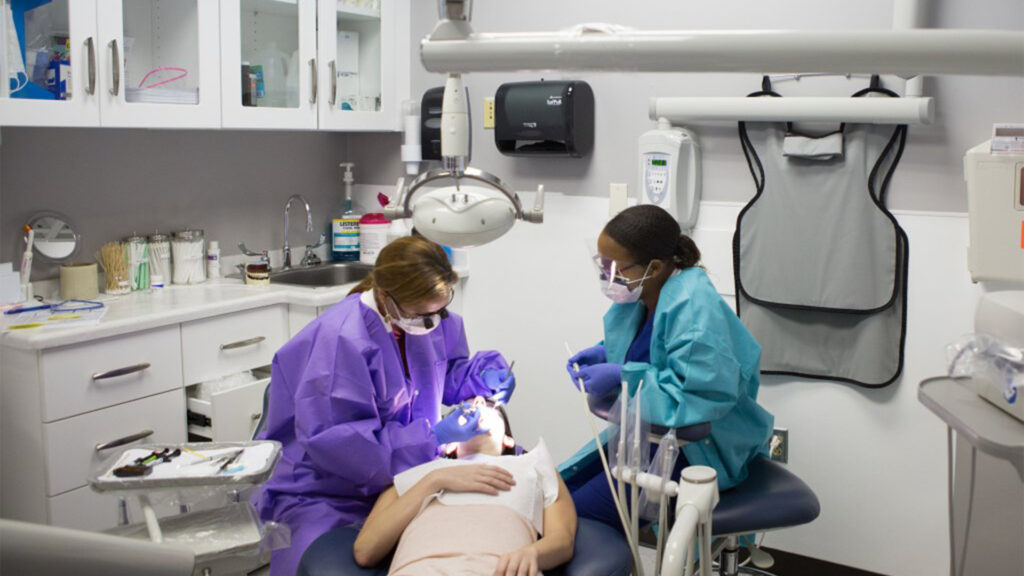
Oral health is an integral component of overall well-being, significantly impacting an individual’s quality of life. A healthy smile not only fosters confidence but is also crucial for proper nutrition and communication. Dental services, encompassing preventive care, treatment, and maintenance, are essential in ensuring that individuals maintain optimal oral health throughout their lives. However, as we delve into the realm of dental services, an underlying concern comes to the forefront: the cost.
In this article, we aim to unravel the intricate web of factors contributing to the expenses associated with dental care. From routine check-ups and cleanings to complex surgical procedures, dental services come with a price tag that can sometimes feel exorbitant. This financial burden often leads individuals to make difficult choices, with potential consequences for their oral health. Understanding the dynamics of dental costs and exploring strategies to mitigate them is not only crucial for individuals seeking dental care but also for policymakers and healthcare professionals aiming to provide equitable access to dental services.

Determining Factors of Dental Costs
The cost of dental services is influenced by various factors that play a crucial role in determining how much you will pay for dental care. These factors can have a direct or indirect impact on dental expenses. Let’s delve deeper into some of the key determining factors:
- Type of Dental Services: The type of dental services you require is a primary factor in determining dental costs. Basic services like dental cleanings and cavity fillings are generally less expensive compared to complex procedures such as dental implants or oral surgeries, which come with higher price tags.
- Location of Service: Your geographical location can also significantly affect dental costs. Generally, urban areas tend to have higher dental expenses compared to rural areas. Factors such as inflation and rental costs in cities can contribute to increased expenses.
- Dentist’s Specialization and Experience: The experience and specialization of the dentist can also impact costs. Dentists with more experience or those who specialize in specific dental fields may charge higher fees. However, these costs are often associated with the higher quality of service they provide.
- Type of Dental Insurance: Having dental insurance and the type of coverage it offers are essential factors in determining dental expenses. Dental insurance may partially or fully cover some services, affecting how you pay for dental care.
These are just some of the key factors that can influence the cost of dental services. Other factors may include your dental health status, social security coverage, and local regulations. Understanding these factors and consulting with your dentist can help you make informed decisions regarding dental services and their associated costs.
Types of Dental Services
Dental expenses encompass a wide range of costs associated with oral healthcare. These expenses can be categorized into two main types: direct costs and indirect costs. Understanding these types of expenses can help individuals better manage their dental healthcare expenses:
Direct Cost of Dental Services:
a. Treatment Costs: These are the expenses directly related to specific dental treatments and procedures. Examples include the cost of fillings, extractions, root canals, dental crowns, and dental implants. The cost of treatment often varies depending on the complexity of the procedure and the materials used.
b. Diagnostic Costs: Diagnostic expenses involve the costs of procedures and tests used to diagnose dental conditions. This includes the cost of X-rays, dental examinations, and diagnostic imaging such as CT scans.
c. Preventive Care Costs: Preventive dental care is essential for maintaining oral health. Costs in this category include routine dental check-ups, teeth cleanings, and the application of dental sealants or fluoride treatments. Preventive care can help identify and address issues early, potentially reducing the need for more extensive and costly treatments later on.
d. Orthodontic Costs: Orthodontic treatment, such as braces or aligners, falls under this category. These treatments are often used to correct misaligned teeth and jaw issues. The cost of orthodontic care can vary widely depending on the duration of treatment and the type of appliances used.
Indirect Costs:
a. Travel Expenses: Travel expenses include the costs associated with getting to and from the dental office. This can encompass fuel costs, public transportation fares, or even accommodation expenses if the dental provider is located far from your home.
b. Lost Income: Dental procedures may require time away from work or other responsibilities. The income lost during these periods should also be considered part of the overall cost of dental care.
c. Pain and Discomfort: While not a direct monetary cost, pain and discomfort associated with dental conditions can be considered indirect costs. Dental problems can affect an individual’s quality of life and daily functioning.
d. Time Costs: The time spent in dental appointments, waiting rooms, and recovery periods can be considered an indirect cost. Time spent on dental care can impact an individual’s daily routine and productivity.
e. Psychological Costs: Dental issues can cause stress and anxiety for some individuals. These psychological costs can affect one’s overall well-being and should be considered when evaluating the impact of dental expenses.
Understanding both the direct and indirect costs of dental care is essential for individuals to make informed decisions about their oral health. Having dental insurance coverage, maintaining regular dental check-ups, and practicing good oral hygiene can help individuals manage and reduce these expenses over time.
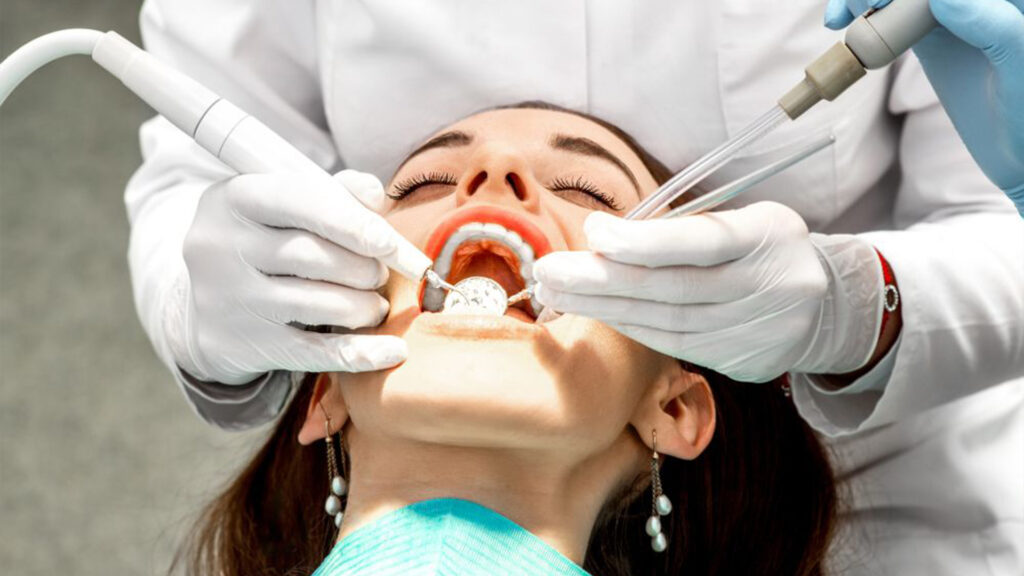
Strategies to Reduce Dental Costs
Reducing Cost of Dental Services is a concern for many individuals and families. Here are some strategies to help lower your dental expenses:
- Dental Insurance: Invest in dental insurance if it’s available to you. Dental insurance can help cover a portion of your dental expenses, making it more affordable. Be sure to understand the coverage limits, deductibles, and copayments associated with your insurance plan.
- Regular Check-ups and Cleanings: Prevention is key to reducing dental costs. Schedule and attend regular dental check-ups and cleanings. Early detection of dental issues can prevent more expensive treatments later on.
- Good Oral Hygiene: Maintain good oral hygiene practices at home, including regular brushing, flossing, and using mouthwash. This can help prevent cavities and gum disease, reducing the need for costly treatments.
Remember that maintaining good oral health through preventive measures is often the most cost-effective way to reduce dental expenses in the long run. Regular check-ups, cleanings, and at-home care can help you avoid more significant dental problems that come with higher costs.
Conclusion
In this article significant issues regarding dental care and its associated expenses were explored. Determining factors that contribute to dental costs were identified, and strategies to reduce these expenses were discussed. Among the most crucial of these strategies are having dental insurance, adhering to preventive care, price comparison, and discussing payment plan options with dentists. Furthermore, the emphasis was placed on the importance of maintaining oral hygiene and making informed choices about dental treatments as effective means to reduce dental expenses.


