
The physical appearance of individuals has always been a significant concern in societies. Throughout history, people have sought solutions to enhance and alter their appearances. Eyebrows, one of the prominent features on the human face, play a vital role in attractiveness and catching one’s eye. Therefore, various methods for reshaping and enhancing eyebrows have been developed. In today’s world, two primary methods exist for improving the appearance of eyebrows: eyebrow transplant surgery and microblading. Each of these methods has unique features and advantages that allow individuals to modify their eyebrow appearance according to their preferences. However, the differences and characteristics of these two methods determine the appropriate choice for each person.
In this article, we introduce and explain the differences and features of eyebrow transplant surgery and microblading to assist individuals in making an informed choice for enhancing their eyebrow appearance. We also analyze the pros and cons of each method and provide considerations to ensure that individuals make informed decisions and achieve the best possible enhancement for their eyebrows.
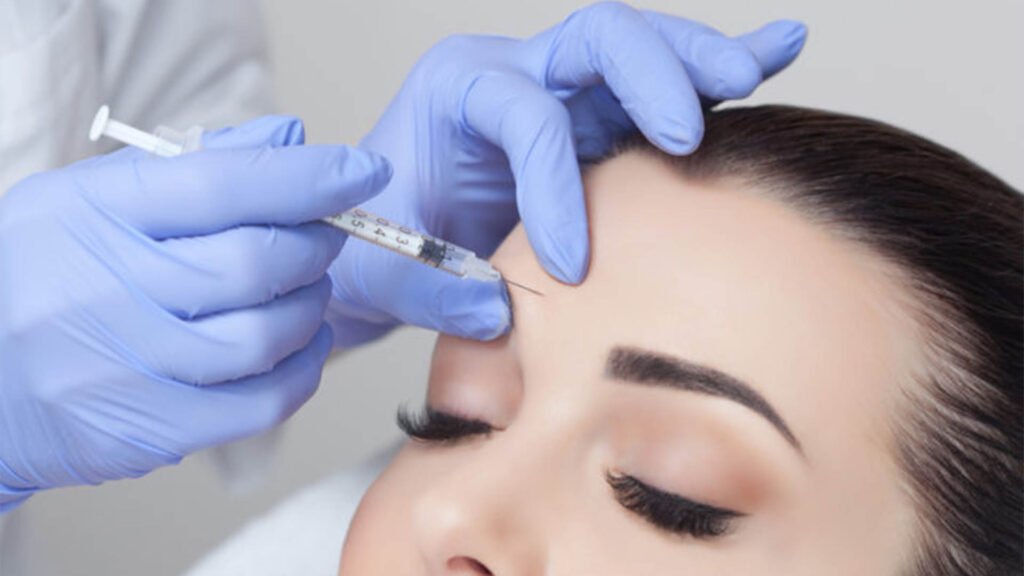
Eyebrow Transplant Surgery
Eyebrow transplant surgery is a specialized cosmetic procedure aimed at enhancing the density and appearance of eyebrows. Unlike traditional hair transplant procedures that focus on the scalp, eyebrow transplant surgery is designed to address eyebrow-related issues, such as sparse or thin eyebrows, overplucking, or scars that have affected the natural eyebrow hair.
Here’s an overview of eyebrow transplant surgery:
- Patient Evaluation: The process typically begins with a consultation where a qualified surgeon assesses the patient’s eyebrows and discusses their goals. The surgeon will consider factors like the natural eyebrow shape, hair quality, and the desired outcome.
- Donor Hair Harvesting: In this procedure, hair follicles are harvested from other areas of the patient’s body, often from behind the ears or the nape of the neck. These donor hairs are carefully selected for their compatibility with the eyebrow area.
- Grafting Process: The harvested hair follicles are then meticulously transplanted into the eyebrow area. This is done with precision to mimic the natural growth pattern of eyebrow hair. The surgeon ensures that the transplanted hairs align with the patient’s existing eyebrow shape.
- Recovery: After the surgery, there may be some swelling, redness, or mild discomfort, but these side effects typically subside within a few days to a week. Patients are usually advised to avoid strenuous activities and to follow post-operative care instructions.
- Results: The final results of eyebrow transplant surgery may take several months to become fully apparent as the transplanted hairs grow in naturally. Once the healing process is complete, the eyebrows should appear fuller, more defined, and in harmony with the patient’s facial features.
- Cost: The cost of eyebrow transplant surgery can vary widely depending on factors such as the surgeon’s experience, the geographic location of the clinic, and the extent of the procedure.
Overall, eyebrow transplant surgery is an effective solution for individuals looking to permanently improve the appearance of their eyebrows, especially those with underlying issues like thinning or damaged eyebrow hair. It offers the advantage of creating natural-looking results that blend seamlessly with the patient’s existing eyebrows.
Microblading
Microblading is a specialized cosmetic technique used to reshape and enhance the appearance of eyebrows. It does not require surgery and employs fine needles and specialized tools to create hair-like strokes and small dots in the eyebrows.
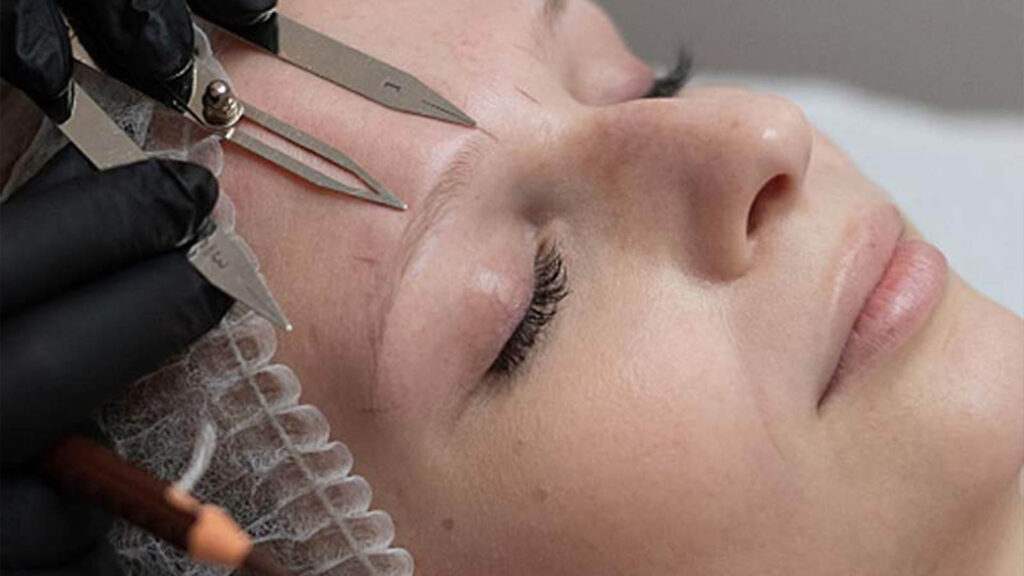
Here’s an overview of microblading:
- Patient Evaluation: The process typically starts with a consultation with a microblading specialist. During this stage, the patient’s goals and the desired eyebrow shape are discussed, and decisions are made regarding the execution of microblading.
- Microblading Procedure: In this step, microblading tools equipped with fine needles are used to create lines and dots that resemble natural hair in the eyebrows. This is done with precision and attention to the patient’s natural eyebrow shape.
- Anesthesia: Generally, this procedure requires local anesthesia to minimize any pain or discomfort during the process.
- Recovery: After microblading, there may be some swelling, redness, or sensitivity, but these side effects usually subside within a few days. Patients are advised to follow post-microblading care instructions and avoid direct contact with water in the eyebrow area.
- Results: The final results of microblading typically become fully apparent in a few weeks after the initial sessions. This method enhances the eyebrows, making them appear fuller, more defined, and tailored to the patient’s preferences.
- Longevity: Microblading requires periodic touch-up sessions as the created dots and lines may fade over time. The duration of results depends on post-treatment care and individual factors.
- Cost: Microblading is generally less expensive than eyebrow transplant surgery.
In summary, microblading is a suitable option for individuals who have natural eyebrows but are looking to reshape them or fill in sparse areas. This method utilizes specialized tools and the latest cosmetic techniques to enhance the appearance of eyebrows without the need for surgery.
Differences
Differences between Eyebrow Transplant Surgery and Microblading:
Nature of the Procedure:
- Eyebrow Transplant Surgery: It is a surgical procedure that involves the transplantation of hair follicles from other parts of the body to the eyebrows.
- Microblading: It is a non-surgical cosmetic technique that uses fine needles and specialized tools to create the appearance of hair strokes in the eyebrows.
Permanent vs. Temporary:
- Eyebrow Transplant Surgery: Provides permanent and long-lasting results as the transplanted hairs grow naturally.
- Microblading: Offers temporary results that may fade over time and require periodic touch-up sessions to maintain the desired look.
Recovery Time:
- Eyebrow Transplant Surgery: Typically has a longer recovery time, with potential post-operative swelling and discomfort.
- Microblading: Involves a quicker recovery, with mild side effects that generally subside within a few days.
Pain and Anesthesia:
- Eyebrow Transplant Surgery: Often requires local anesthesia, and some discomfort or pain may be experienced during and after the procedure.
- Microblading: Usually involves minimal pain, and local anesthesia is not always necessary.
Natural Appearance:
- Eyebrow Transplant Surgery: Offers natural-looking results that blend seamlessly with existing eyebrow hair.
- Microblading: Aims to create a natural appearance, but the results may appear more structured due to the artistic technique used.
Cost:
- Eyebrow Transplant Surgery: Generally, it is more expensive than microblading due to the surgical nature of the procedure.
- Microblading: Tends to be more cost-effective compared to surgery.
Suitable Candidates:
- Eyebrow Transplant Surgery: Ideal for individuals with thin or sparse eyebrows or those unsatisfied with their natural eyebrows.
- Microblading: Suitable for people with natural eyebrows but looking to enhance their shape, fill in gaps, or achieve a particular look.
Duration of Results:
- Eyebrow Transplant Surgery: Offers enduring and permanent results.
- Microblading: Requires ongoing maintenance and touch-up sessions to sustain the desired appearance.
Invasiveness:
- Eyebrow Transplant Surgery: Involves a surgical procedure with minor incisions for hair transplantation.
- Microblading: Non-invasive, as it does not require incisions or surgery.
Cost Factors:
- Eyebrow Transplant Surgery: Cost depends on factors such as the surgeon’s experience, location, and the extent of the procedure.
- Microblading: Generally, more cost-effective, but prices can vary depending on the location and the expertise of the microblading artist.
In conclusion, the choice between eyebrow transplant surgery and microblading depends on individual needs, preferences, and budget. Eyebrow transplant surgery provides permanent results but involves surgery, while microblading offers a non-surgical, temporary solution. Consulting with a beauty specialist can help individuals make an informed decision based on their specific requirements.
Conclusion
In this article, we have explored two prominent methods for enhancing the appearance of eyebrows: Eyebrow Transplant Surgery and Microblading. Each of these methods possesses unique features, advantages, and drawbacks that are crucial for making an informed choice when seeking eyebrow enhancement.
Eyebrow Transplant Surgery is a surgical procedure that utilizes donor hair grafts to create permanent and long-lasting results. It generally has a lengthier recovery period and may require post-operative care. However, it yields natural and enduring results that seamlessly blend with natural eyebrows.
Microblading, on the other hand, is a non-surgical technique employing specialized tools to create hair-like strokes in the eyebrows. It offers temporary results that necessitate periodic touch-up sessions. Microblading boasts a quicker recovery with fewer associated side effects.