The field of cardiovascular medicine has witnessed remarkable advancements in the treatment of vascular conditions over the years. Among these innovations, angioplasty has emerged as a cornerstone in the management of narrowed or blocked blood vessels, contributing to improved patient outcomes and enhanced quality of life.
Angioplasty, a minimally invasive procedure, has revolutionized the way we address vascular issues. It offers a less traumatic alternative to traditional open surgeries, significantly reducing recovery times and associated risks. This article explores the intricacies of angioplasty, shedding light on how this procedure is performed and why it has become a preferred choice for treating various vascular diseases.
In the following sections, we will delve into the step-by-step process of angioplasty, from patient evaluation to post-procedure care, providing a comprehensive overview of this medical intervention that has transformed the landscape of vascular medicine.
What is angioplasty?
Angioplasty is a medical procedure designed to open narrowed or blocked blood vessels. It is a minimally invasive technique that has become a standard treatment for various vascular conditions, including coronary artery disease, peripheral artery disease, and sometimes even in the treatment of certain types of strokes.
The procedure involves the use of a thin, flexible tube called a catheter, which is typically inserted through a small incision in the groin, wrist, or another suitable entry point. This catheter is then carefully guided through the vascular system to the site of the blockage or narrowing using real-time X-ray imaging, known as fluoroscopy.
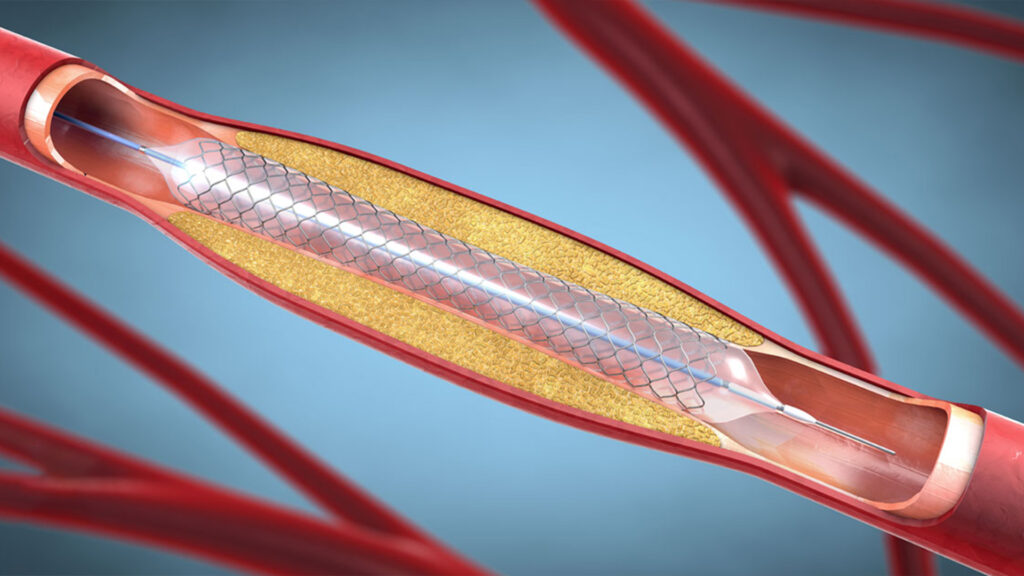
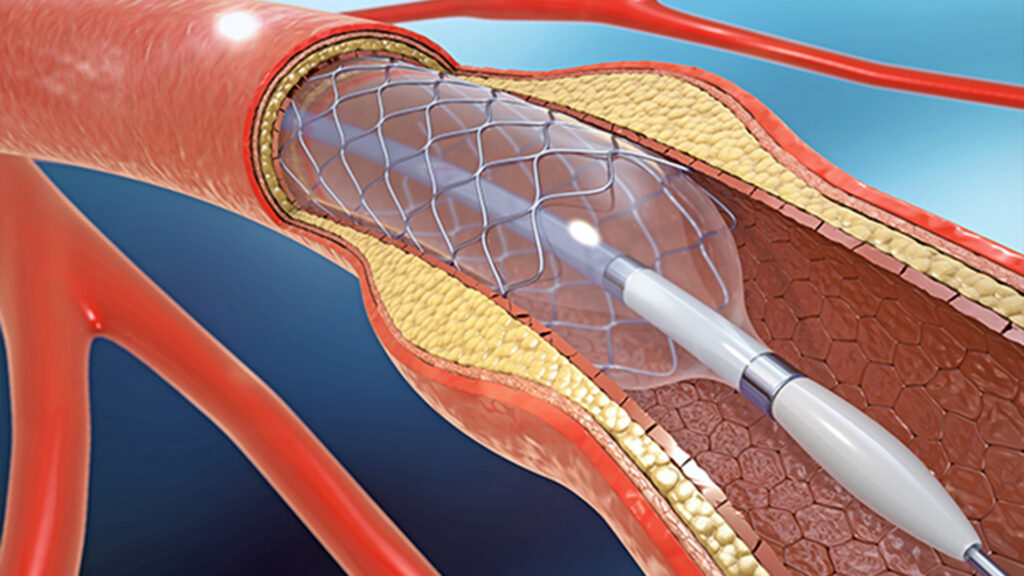
Once the catheter is in place, a balloon at the tip of the catheter is inflated. The inflation of the balloon compresses any plaque or fatty deposits against the walls of the blood vessel, effectively widening the narrowed area and restoring proper blood flow.
In some cases, a stent, which is a small mesh tube, is placed at the treated site. The stent acts as a scaffold to keep the artery open, preventing it from narrowing again. Some stents are coated with medication to reduce the risk of restenosis, or re-narrowing of the artery.
Angioplasty is favored for its minimally invasive nature, which typically results in shorter recovery times and fewer complications compared to traditional open surgeries. It has revolutionized the field of vascular medicine, offering an effective solution to improve blood flow in compromised vessels, alleviate symptoms, and reduce the risk of serious cardiovascular events.
Stages of Angioplasty:
Angioplasty is a complex medical procedure that involves several key stages. Here is an overview of the steps typically followed during angioplasty:
Patient Evaluation
Before performing angioplasty, a thorough evaluation of the patient’s medical history, including any pre-existing conditions and medications, is conducted. Imaging studies such as angiograms or CT scans may also be used to assess the location and severity of the arterial blockage.
Anesthesia and Catheter Insertion
The patient is usually administered local anesthesia at the site of catheter insertion, often in the groin or wrist. In some cases, sedation or general anesthesia may be used to ensure patient comfort and relaxation. A specialized catheter with a deflated balloon at its tip is then carefully inserted through a small incision into the blood vessel.
Guiding the Catheter
Real-time X-ray imaging, known as fluoroscopy, is used to guide the catheter through the vascular system to the specific site of the arterial blockage. This imaging helps the medical team precisely navigate the catheter to the targeted area.
Balloon Inflation
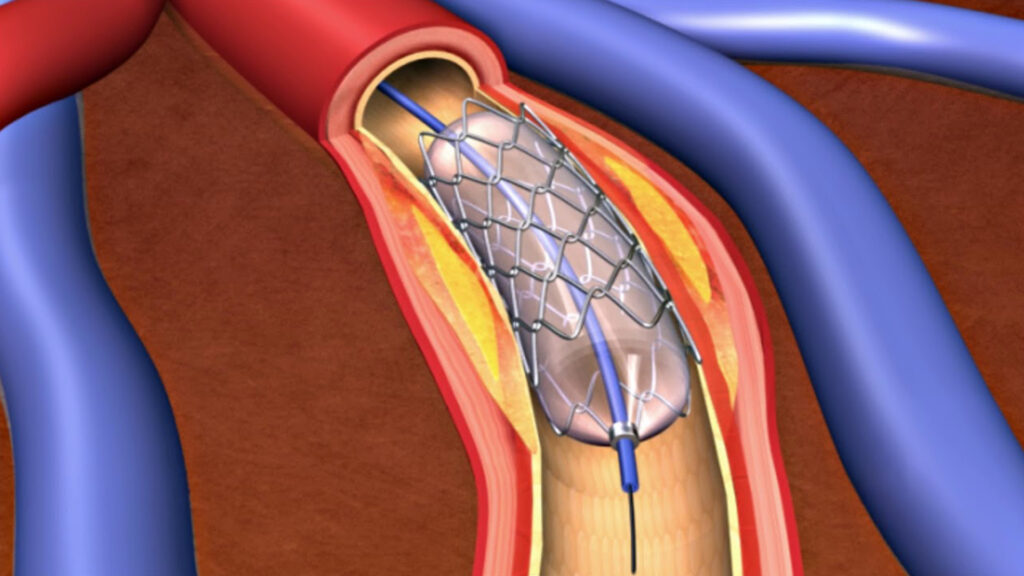
Once the catheter is in the correct position, the balloon at the tip is inflated. The inflation of the balloon pushes any plaque or fatty deposits against the artery walls, expanding the narrowed vessel and restoring proper blood flow.
Stent Placement (if necessary)
In many cases, a stent, a small mesh tube, is inserted into the treated artery. The stent acts as a scaffold to keep the artery open and prevent it from narrowing again. Some stents are coated with medication to reduce the risk of restenosis (re-narrowing of the artery).
Balloon Deflation and Catheter Removal
After the successful widening of the artery, the balloon is deflated, and the catheter is carefully withdrawn from the body.
Post-Procedure Monitoring
Patients are closely monitored for any immediate complications or adverse reactions. Vital signs and circulation are observed to ensure the patient’s stability.
Recovery and Observation
Depending on the patient’s condition and the complexity of the procedure, they may be observed for a short time before being discharged. In many cases, patients can return home the same day as the procedure.
Post-Procedure Care
Patients are typically prescribed medications to prevent blood clots and reduce the risk of restenosis. They may also receive guidance on lifestyle modifications, including diet and exercise, to manage underlying vascular conditions.
Follow-Up
Patients will have scheduled follow-up appointments with their healthcare provider to assess the effectiveness of the angioplasty and monitor their overall vascular health.
Each of these stages plays a critical role in the success of angioplasty, which is designed to improve blood flow, alleviate symptoms, and reduce the risk of complications associated with vascular diseases.
Conclusion
In the realm of vascular medicine, angioplasty stands as a testament to the remarkable advances in medical technology and techniques. This minimally invasive procedure has revolutionized the treatment of narrowed or blocked blood vessels, offering patients a safer and more efficient alternative to traditional open surgeries.
Angioplasty’s success lies in its ability to swiftly alleviate symptoms, restore proper blood flow, and reduce the risk of complications associated with vascular diseases. With careful patient evaluation, precise catheter navigation, and the option of stent placement, this procedure has become a cornerstone in managing a wide range of vascular conditions, from coronary artery disease to peripheral artery disease.
As medical science continues to evolve, angioplasty remains a shining example of how innovation and technology can enhance patient care and quality of life. With ongoing research and refinements in technique, the future holds even more promise for this transformative procedure, further solidifying its place as a vital tool in the fight against vascular diseases.