
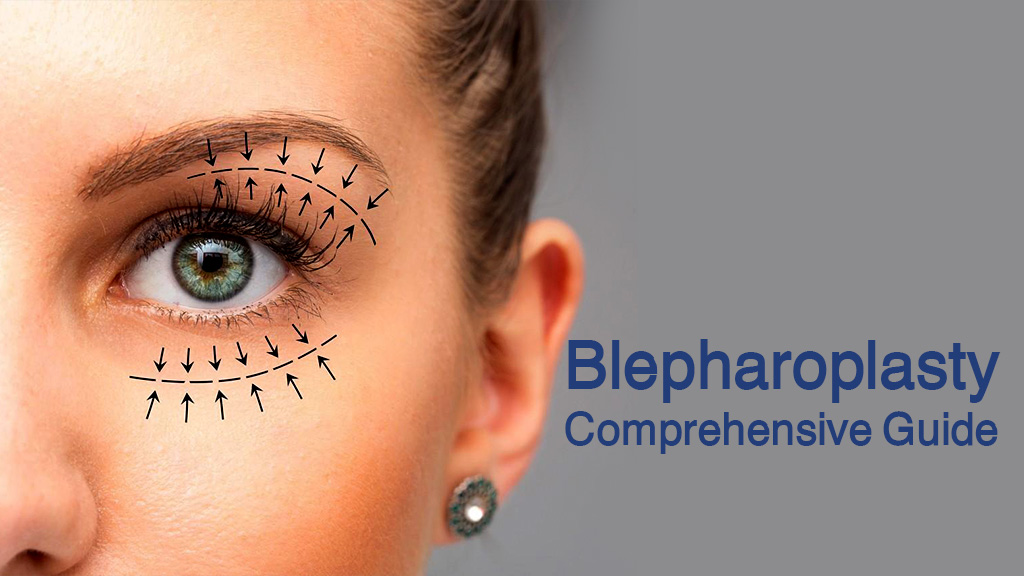
The eyes, often referred to as the «windows to the soul,» are expressive and hold immense power in conveying emotions and reflecting our inner state. However, as time marches on, the delicate skin around the eyes can betray our chronological age. The once-vibrant appearance can be marred by drooping eyelids, the formation of under-eye bags, and fine lines, contributing to a tired and aged look.
Blepharoplasty, also known as eyelid surgery, emerges as a beacon of hope, offering a transformative solution to restore the youthful vibrancy of the eyes. This comprehensive guide delves deep into the world of blepharoplasty, empowering you with the knowledge to make informed decisions and achieve your desired results.
Understanding the Signs of Aging Around the Eyes
The aging process manifests in various ways around the eyes, each contributing to a loss of youthful appearance:
- Drooping Upper Eyelids (Ptosis): Over time, the muscles supporting the upper eyelid weaken, causing it to sag and potentially obstruct the upper field of vision. This drooping can create a hooded appearance and make you look perpetually tired.
- Under-Eye Bags: The delicate skin under the eyes loses its elasticity, allowing fat deposits to accumulate and form puffy pouches. These under-eye bags contribute to a fatigued and aged appearance.
- Fine Lines and Wrinkles: The thin skin around the eyes is particularly susceptible to the formation of fine lines and wrinkles due to sun exposure, repetitive facial expressions, and collagen loss.
Blepharoplasty: Unveiling the Power of Eyelid Surgery
Blepharoplasty addresses these age-related concerns around the eyes, restoring a more youthful and rejuvenated appearance. It’s an aesthetic surgical procedure that targets the upper and lower eyelids to remove excess skin, fat deposits, and sometimes muscle tissue. By addressing these concerns, eyelid surgery and rejuvenation (Blepharoplasty) can achieve several benefits:
- Improved Appearance: Blepharoplasty can dramatically improve the appearance of the eyes, making them look brighter, more open, and youthful.
- Enhanced Confidence: Rejuvenated eyes can boost self-confidence and overall well-being.
- Potential Vision Improvement: In some cases, drooping upper eyelids can obstruct vision. Blepharoplasty can alleviate this obstruction, improving visual function.
Exploring the Different Types of Blepharoplasty
The specific type of blepharoplasty employed depends on the individual’s needs and the areas of concern:
- Upper Blepharoplasty: This procedure focuses on the upper eyelids, addressing drooping and excess skin. The surgeon makes an incision along the natural crease of the eyelid, carefully removes excess tissue, and then closes the incision with fine sutures.
- Lower Blepharoplasty: This procedure targets the lower eyelids, addressing under-eye bags and puffiness. The surgeon can make an incision either along the lower lash line (transcutaneous approach) or inside the lower eyelid (transconjunctival approach). Excess fat and skin are removed, and sometimes the underlying muscles are repositioned for a smoother contour.
- Asian Blepharoplasty: This specialized technique addresses the unique anatomical features of Asian eyelids, creating a more defined crease and enhancing overall eye definition.
- Non-Surgical Blepharoplasty Alternatives: In some cases, minimally invasive procedures like Botox injections or laser skin resurfacing can offer subtle improvements to the appearance of the eyelids. However, these non-surgical options cannot achieve the same dramatic results as blepharoplasty.
Choosing the Right Blepharoplasty Technique for You
A thorough consultation with a board-certified plastic surgeon is crucial for determining the most suitable eyelid surgery (Blepharoplasty) technique for you. The surgeon will evaluate your eyelids, discuss your desired outcomes, and consider factors like your age, skin quality, and overall health. Here are some key questions to ask your surgeon during the consultation:
- What type of blepharoplasty would be most beneficial for me?
- What are the potential risks and complications associated with the procedure?
- What can I expect in terms of recovery?
- Can blepharoplasty improve my vision?

Preparing for Blepharoplasty: Setting the Stage for Success
To ensure a smooth and successful blepharoplasty journey, proper preparation is key:
- Consultation with a Board-Certified Plastic Surgeon: As mentioned earlier, a thorough consultation is essential. Discuss your goals, medical history, and any concerns you might have.
- Medical Clearance: Inform your surgeon about your medical history, medications, and allergies. They might advise you to stop certain medications or undergo medical tests to ensure you are fit for surgery.
- Pre-operative Instructions: Follow your surgeon’s instructions carefully. This may include avoiding certain medications, smoking cessation, and makeup restrictions.
The Blepharoplasty Procedure: A Step-by-Step Look
Blepharoplasty is typically performed as an outpatient procedure under local anesthesia with sedation or general anesthesia. The specific procedure details will vary depending on the type of eyelid surgery (Blepharoplasty) being performed.
Upper Blepharoplasty:
1.Incision: The surgeon makes an incision along the natural crease of the upper eyelid. This strategic placement ensures the scar is well-hidden within the crease.
2.Tissue Removal: The surgeon carefully removes excess skin, fat, and sometimes muscle tissue. The amount of tissue removed depends on the individual’s needs and desired outcome.
3.Closure: The surgeon meticulously closes the incision with fine sutures, minimizing scarring.
Lower Blepharoplasty:
1.Transcutaneous Approach (Incision along the lower lash line):
- The surgeon makes a precise incision just below the lower lash line, taking care to stay within the natural crease.
- Excess fat and skin are then carefully removed.
- In some cases, the underlying muscles might be repositioned for a smoother contour.
2.Transconjunctival Approach (Incision inside the lower eyelid):
- The surgeon makes an incision on the inside of the lower eyelid, leaving no visible external scar.
- Excess fat is then removed through this incision.
- Skin removal might not be possible with this approach.
Related Article: Blepharoplasty and temple brow
Recovery from Blepharoplasty: Embracing the Healing Journey
Following blepharoplasty, you can expect some swelling, bruising, and discomfort around the eyes. These effects are usually temporary and subside within a week or two. Your surgeon will provide detailed post-operative instructions to ensure optimal healing, which may include:
- Cold Compresses: Applying cold compresses to the eyelids can help reduce swelling and discomfort.
- Head Elevation: Sleeping with your head elevated on extra pillows can further minimize swelling.
- Pain Medication: Your surgeon might prescribe pain medication to manage post-operative discomfort.
- Eye Drops: Lubricating eye drops might be recommended to soothe dry eyes.
- Activity Restrictions: Avoid strenuous activities and heavy lifting for a certain period as advised by your surgeon.
- Sun Protection: Wearing sunglasses and a hat is crucial to protect your healing eyes from sun exposure.
The Healing Timeline:
- The first few days: You can expect the most noticeable swelling and bruising during this time.
- One to two weeks: Most of the swelling and bruising should subside by this point. You can usually resume most of your normal activities.
- Six to eight weeks: It can take up to two months for the final results to become fully evident as swelling completely resolves.
Long-Term Results:
The results of blepharoplasty can be long-lasting, depending on several factors:
- Individual Aging Process: As we age, our skin will naturally continue to lose elasticity. However, blepharoplasty can significantly delay the visible signs of aging around the eyes.
- Sun Exposure: Excessive sun exposure can accelerate skin aging and wrinkle formation. Consistent use of sunscreen is crucial to maintain your results.
- Lifestyle Habits: Maintaining a healthy lifestyle, including a balanced diet and proper sleep, contributes to overall well-being and can promote long-lasting results.
Nora Health Tour: Your Trusted Partner for Blepharoplasty in Iran
At Nora Health Tour, we understand your desire to restore the youthful vibrancy of your eyes. We are your trusted partner in navigating the world of blepharoplasty in Iran. We offer a variety of blepharoplasty procedures performed by highly skilled and experienced board-certified plastic surgeons.
Why Choose Nora Health Tour?
- Experienced Surgeons: Our team comprises renowned plastic surgeons in Iran, recognized for their expertise in blepharoplasty techniques and commitment to patient safety and satisfaction.
- State-of-the-Art Facilities: We partner with accredited surgical facilities equipped with the latest technology to ensure a safe and comfortable experience.
- Personalized Care: We prioritize personalized care, providing comprehensive consultations, addressing your concerns, and guiding you through every step of the process.
- Competitive Pricing: We offer competitive pricing for blepharoplasty procedures in Iran, making your dream of rejuvenated eyes achievable.
- Post-Operative Support: Our commitment extends beyond the procedure. We provide dedicated post-operative support to ensure a smooth recovery and optimal results.
Taking the First Step Towards Rejuvenation
Contact Nora Health Tour today to schedule a consultation with a qualified plastic surgeon. During the consultation, you can discuss your blepharoplasty goals, explore the most suitable technique for your needs, and ask any questions you might have. We are here to empower you on your journey towards achieving brighter, more youthful eyes and a renewed sense of confidence.


