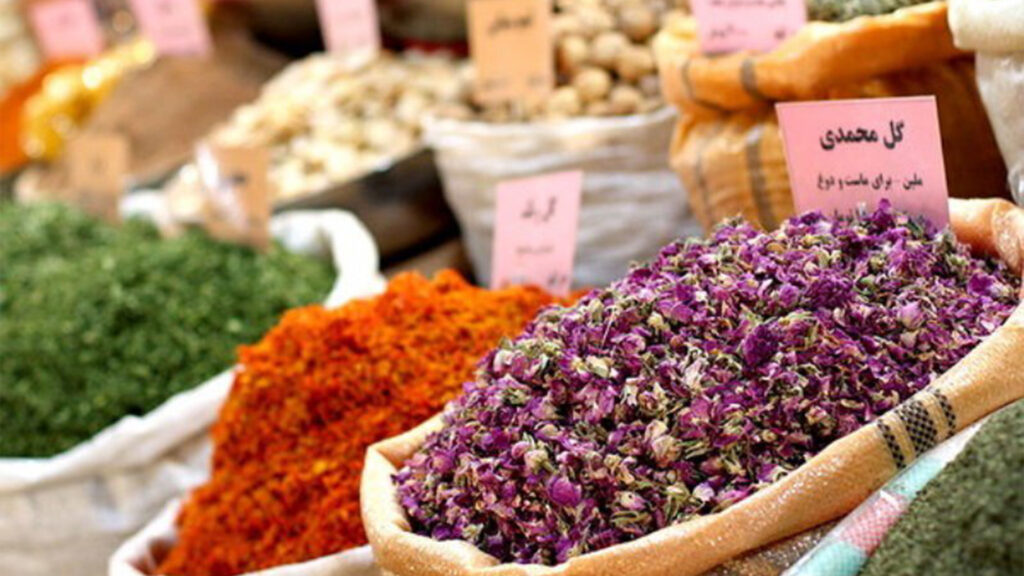
La Medicina Tradicional Iraní es uno de los tesoros culturales e históricos de esta tierra, que ha servido como una base significativa en el sistema de atención médica del pueblo iraní desde tiempos antiguos hasta el presente. Este sistema médico, arraigado en un rico trasfondo de experiencias y profundos conocimientos de medicina herbal, nutrición y técnicas terapéuticas, no solo aborda el tratamiento de enfermedades sino que también presta especial atención a la prevención y el mantenimiento de la salud.
Su estrecha relación con la cultura iraní, las creencias y el entorno, lo ha convertido en un método unificado compatible con las necesidades ambientales y sociales de la gente. Este artículo profundiza en un examen más detenido de los principios, métodos e importancia de la Medicina Tradicional Iraní en la sociedad contemporánea, así como en la discusión de los desafíos y oportunidades en la preservación y desarrollo de este campo.
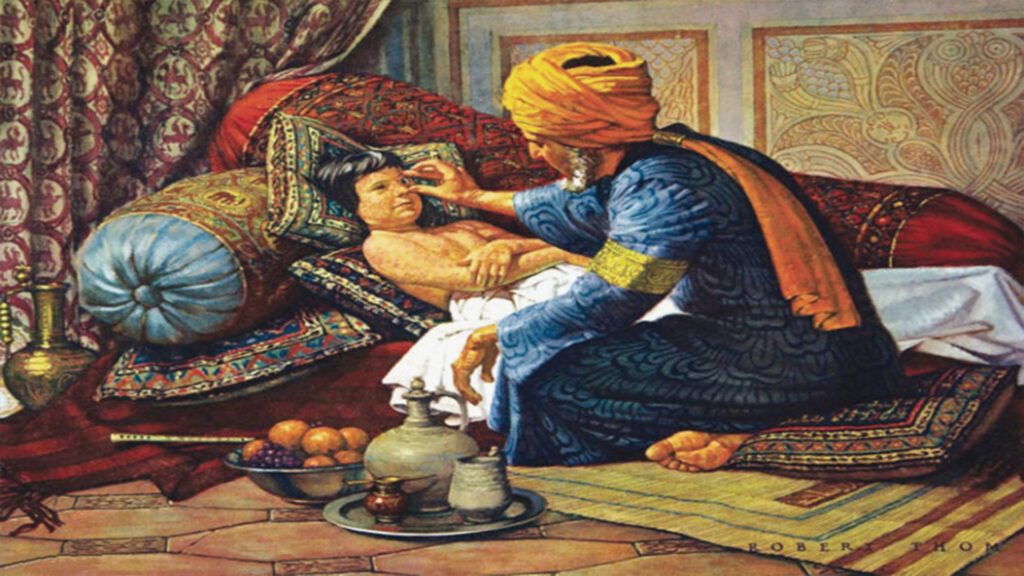
Introduction to Traditional Iranian Medicine
Traditional Iranian Medicine is one of the valuable cultural and medical heritages of Iran, recognized as one of the most fundamental healthcare systems in the world from ancient times to the present. This medical system, also known as «complementary and alternative medicine,» emphasizes ideals of health and balance in body and soul. One of the significant features of Traditional Iranian Medicine is its emphasis on disease prevention. According to this system, maintaining balance and health in the body is of utmost importance, and disease prevention can be achieved through proper nutrition, the use of herbal medicine, and adopting healthy lifestyle practices. Key treatment modalities in Traditional Iranian Medicine include nutrition, herbal compounds, massage, and the use of elements such as water, fire, air, and earth. This medical system also utilizes techniques like deep breathing, meditation, and yoga to strengthen the spirit and establish a closer connection with the body. As an integral part of Iranian culture and civilization, Traditional Iranian Medicine continues to be used and studied, with further research conducted to preserve and enhance this medical system, along with proposals for integrating it with modern medicine.
Principles and Foundations of Traditional Iranian Medicine
The principles and foundations of Traditional Iranian Medicine are based on ideals of balance and harmony in body and soul. This medical system adheres to the concept of «everything in one» and believes that the human body is a unified system in which all parts must work together in harmony to maintain health and well-being. The principles of Traditional Iranian Medicine include ideals such as balance between bodily constituents, proper digestion and absorption, regular deep breathing, and active movement in daily life. Additionally, Traditional Iranian Medicine emphasizes the close relationship between mental and physical health, prioritizing the strengthening of the spirit and positive emotions such as peace and joy. One of the fundamental principles of this medical system is adapting to the seasons and environmental changes, so that treatment and nutritional methods vary according to the seasons. From the perspective of Traditional Iranian Medicine, establishing balance and harmony in all dimensions of life, including nutrition, physical activity, rest, and human relationships, is the most fundamental path to achieving health and well-being.
Principles and Therapeutic Methods
In Traditional Iranian Medicine, the principles and therapeutic methods are based on balance and harmony between the physical and spiritual elements of the body. Among the methods used in this medical system are the use of herbal medicine, proper nutrition, massage, and breathing exercises. Herbal medicine is utilized as a primary therapeutic tool in Traditional Iranian Medicine, employing plants based on their medicinal properties and nature. Furthermore, proper nutrition, emphasizing the consumption of healthy and nutrient-rich foods, plays a crucial role in maintaining health and treating diseases. Massage, as a physical therapy method, is used to alleviate pain, reduce stress, and improve muscle and organ function. Additionally, breathing exercises and meditation are employed to enhance spiritual well-being, reduce stress, and increase tranquility and positive mindset. These methods work together as a comprehensive therapeutic system in Traditional Iranian Medicine, aiding in the establishment of balance and health in both body and soul.
Traditional Iranian Medicine’s Approach to Diseases and Prevention
The approach of Traditional Iranian Medicine to diseases and prevention is based on ideals of maintaining balance and health in the body. This medical system seeks to identify symptoms and signs of disease through diagnosing disruptions in bodily balance. The principles of Traditional Iranian Medicine hold that disease results from disturbances in energy flow and balance between bodily elements, leading to discomforts and illnesses. To prevent diseases, Traditional Iranian Medicine emphasizes the importance of maintaining balance between bodily elements, adhering well to external factors such as nutrition, physical exercises, and healthy lifestyle practices, and utilizing techniques like massage and yoga to strengthen energy flow in the body. Moreover, Traditional Iranian Medicine emphasizes the importance of proper nutrition and the consumption of herbal medicine to boost the body’s immune system. With this approach, this medical system emphasizes prevention of diseases and maintenance of health, believing that establishing balance in all aspects of human life can contribute to increased health and reduced risk of illnesses.
The Influence and Position of Traditional Iranian Medicine in Contemporary Societies
The influence and position of Traditional Iranian Medicine in contemporary societies, as one of the cultural and medical heritages of this country, remain significant and noteworthy. Currently, the review and enhancement of this medical system in modern society are recognized as pathways to increasing health levels and improving quality of life. Traditional Iranian Medicine, besides being utilized as a treatment method, is recognized as a part of the culture and national identity of society and enjoys high popularity among the people. This medical system has a greater compatibility with local needs and the environment and is perceived as a more affordable and accessible treatment option compared to modern medicine. Furthermore, efforts to integrate Traditional Iranian Medicine with modern medicine and utilize successful experiences of collaboration between these two systems have been proposed as a solution to improving healthcare services in contemporary society. Therefore, Traditional Iranian Medicine continues to be perceived as one of the main and trustworthy options in disease treatment and health maintenance in contemporary societies.
medical tourism
Health tourism is an activity that involves traveling to other countries or regions with the aim of receiving medical, therapeutic, and wellness services. This type of tourism has become a rapidly growing and internationally recognized trend and can include various treatments such as cosmetic surgeries, dental treatments, cardiac surgeries, dermatological and beauty care, biotherapy, general surgeries, and more.
Health tourism is attractive to travelers due to various benefits it offers. Among these benefits are lower costs in countries where medical services are provided inexpensively, high-quality and specialized medical services, the use of advanced technologies in some countries, the possibility of accessing treatments not available in the home country, and combining treatment with tourism and relaxation in a new and beautiful environment.
For example, countries like Iran, Turkey, India, Malaysia, South Korea, and Thailand are recognized as popular destinations for health tourism, offering quality medical and therapeutic services at reasonable costs.
Conclusion
In conclusion, Traditional Iranian Medicine continues to hold a special place in contemporary societies as one of the valuable cultural and medical heritages of the land. This medical system, with its emphasis on balance, prevention, and the use of natural resources such as herbal medicine, is recognized as an effective solution for maintaining health and treating diseases. Its close connection with Iranian culture and civilization has made it a unified method compatible with the environmental and social needs of the people. However, there are still challenges and opportunities in the path of preserving and developing Traditional Iranian Medicine, including the need for further research on its effectiveness and credibility in modern societies, as well as promoting and transferring its valuable knowledge to other nations and cultures. In general, the preservation and promotion of Traditional Iranian Medicine as one of the cultural and folk heritages depend on the responsibility of all sectors of society and require the collaborative efforts of individuals and various institutions.