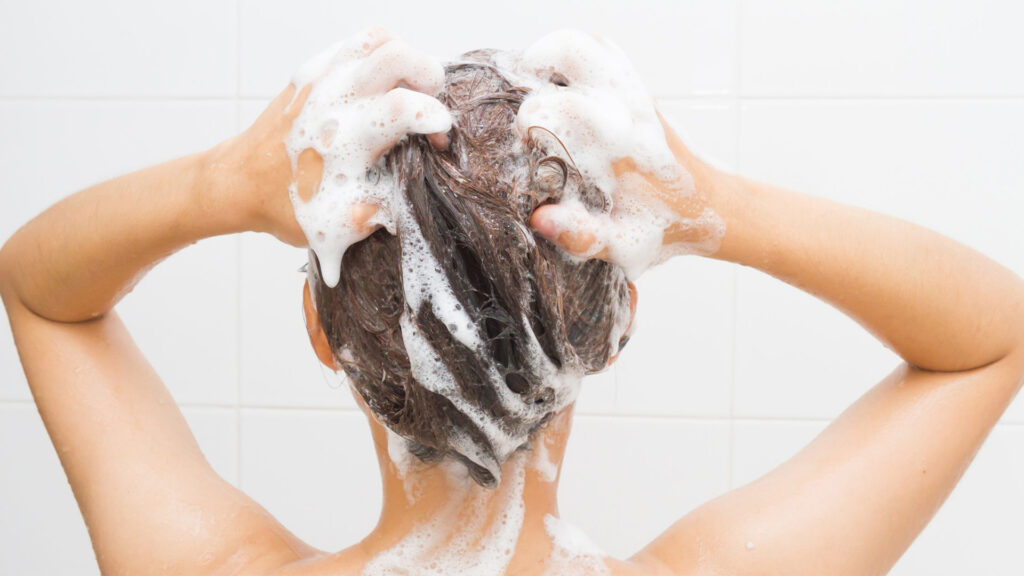
Hair transplant is a surgical solution to restore lost hair. This delicate process requires careful care to prevent complications and enhance quick recovery. One crucial post-operative stage is hair washing. In this guide, we will instruct you on the proper way to wash your hair, the appropriate timing, essential tips, and necessary recommendations. With this guide, you can ensure a smoother recovery and achieve more desirable results without encountering issues.
How to Wash Your Hair After Hair Transplant – A Complete Guide for Effective Recovery
Hair transplant is a surgical method used to restore lost hair by extracting hair follicles from a donor area and implanting them in the recipient area.
Hair washing after a hair transplant is a crucial stage in the recovery process. This practice helps cleanse the scalp and hair follicles, reducing the risk of infection.
Appropriate Time for Hair Washing
Typically, doctors recommend performing the first hair wash 24 to 48 hours after the surgery. This timeframe allows the hair follicles to securely anchor in their new location.
Suitable Shampoo
When washing your hair after a hair transplant, use a mild shampoo free of chemicals. Baby shampoos are a good choice as they are gentle and safe.
Follow these steps to wash your hair after a hair transplant:
- Pour lukewarm water over your head. Avoid using extremely cold or hot water, as it can damage hair follicles.
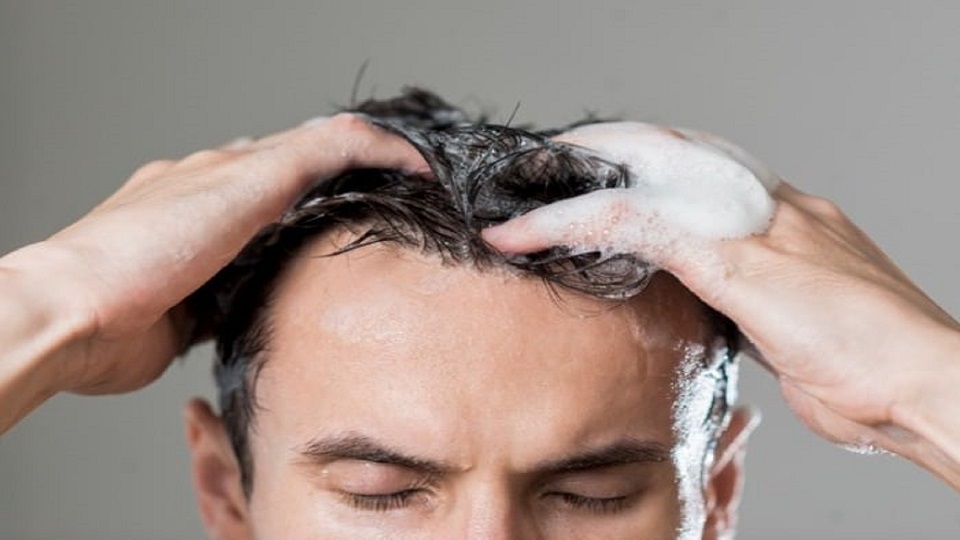
- Apply a small amount of shampoo to your scalp. There’s no need to use too much shampoo.
- Gently massage your scalp with your fingertips. Avoid rubbing or scratching your scalp.
- Rinse your hair gently. Avoid applying excessive water pressure.
- Use a soft towel to pat your hair dry. Avoid rubbing your hair.
Important tips
- Avoid rubbing or scratching your scalp, as it could damage hair follicles.
- Avoid applying excessive water pressure, as it could stimulate the scalp.
- Do not expose your hair to hot water for 1 to 2 weeks, as it could damage hair follicles.
- If you experience symptoms such as redness, swelling, intense pain, or fever during or after hair washing, consult your doctor immediately.
Example:
Let’s say your hair transplant surgery was performed at a clinic. In this case, a nurse or clinic technician will typically assist you during the first hair wash. This assistance helps you learn the proper hair washing technique and prevents damage to your hair follicles.
The nurse or clinic technician initially wets your scalp with lukewarm water. Then, they apply a small amount of baby shampoo to your scalp and gently massage it. Finally, they rinse your hair with lukewarm water.
After the first wash, you can wash your hair on your own. However, it’s important to follow the guidelines mentioned in this article to avoid damaging your hair follicles.
Here are some additional tips for washing your hair after a hair transplant:
- Avoid shampoos that contain chemicals such as sulfates, parabens, and dyes. These substances can damage hair follicles.
- Refrain from combing or brushing your hair in the first few days after surgery. This can cause damage to the follicles.
- Avoid exposing your hair to direct sunlight or excessive heat. This can cause damage to the hair follicles.
By following the guidelines mentioned in this article, you can easily and safely wash your hair, ensuring a smooth recovery process.
Does hair transplant have side effects? If so, what are they?
Hair transplantation is a surgical procedure, and like any other surgical procedure, it may have potential side effects. The side effects of hair transplantation are typically mild and temporary, and they can be easily treated.
The most common side effects of hair transplant include:
- Sangrado: Bleeding is one of the most common side effects of hair transplantation. This bleeding is usually mild and can be easily stopped by applying pressure to the bleeding site.
- Infección: Infection is another common side effect of hair transplantation, which can occur in the donor or recipient area. To prevent infection, doctors often prescribe preventive antibiotics.
- Moretones: Bruising is also a common side effect of hair transplantation, which typically resolves within a few days after the procedure.
- Hinchazón: Swelling is a common side effect of hair transplantation, which usually diminishes within a few weeks after surgery.
- Picazón: Itching is another common side effect of hair transplantation, which generally decreases within a few weeks after surgery.
Rare side effects of hair transplant include:
- Nerve Damage: In certain situations, hair transplantation can result in nerve damage, causing numbness or tingling in the scalp.
- Nodules: Occasionally, hair transplantation may lead to the development of nodules on the scalp. These nodules typically resolve spontaneously.
- Recurrent Hair Loss: In specific instances, transplanted hair may undergo temporary shedding before regrowth.
To minimize the risk of hair transplant side effects, it is crucial to undergo the procedure at a reputable clinic performed by a specialized surgeon. Additionally, it is essential to carefully follow postoperative care instructions.
Here are some tips to reduce the risk of hair transplant side effects:
- Discuss potential risks and side effects with your doctor before undergoing the procedure.
- Choose a reputable clinic and have the procedure done by a specialized surgeon.
- Strictly adhere to postoperative care instructions.
- If you experience severe complications after hair transplantation, consult your doctor immediately.
Conclusion:
Hair washing after transplantation is a crucial stage in postoperative care. Adhering to the right timing, using gentle shampoos, and following essential guidelines can accelerate effective recovery and minimize the risk of complications. Furthermore, syncing with the doctor’s recommendations and meticulously caring for the hair is of utmost importance. Use this guide as a comprehensive resource for individuals who have recently undergone hair transplantation or are planning to do so, bringing you closer to a successful and smooth recovery.